
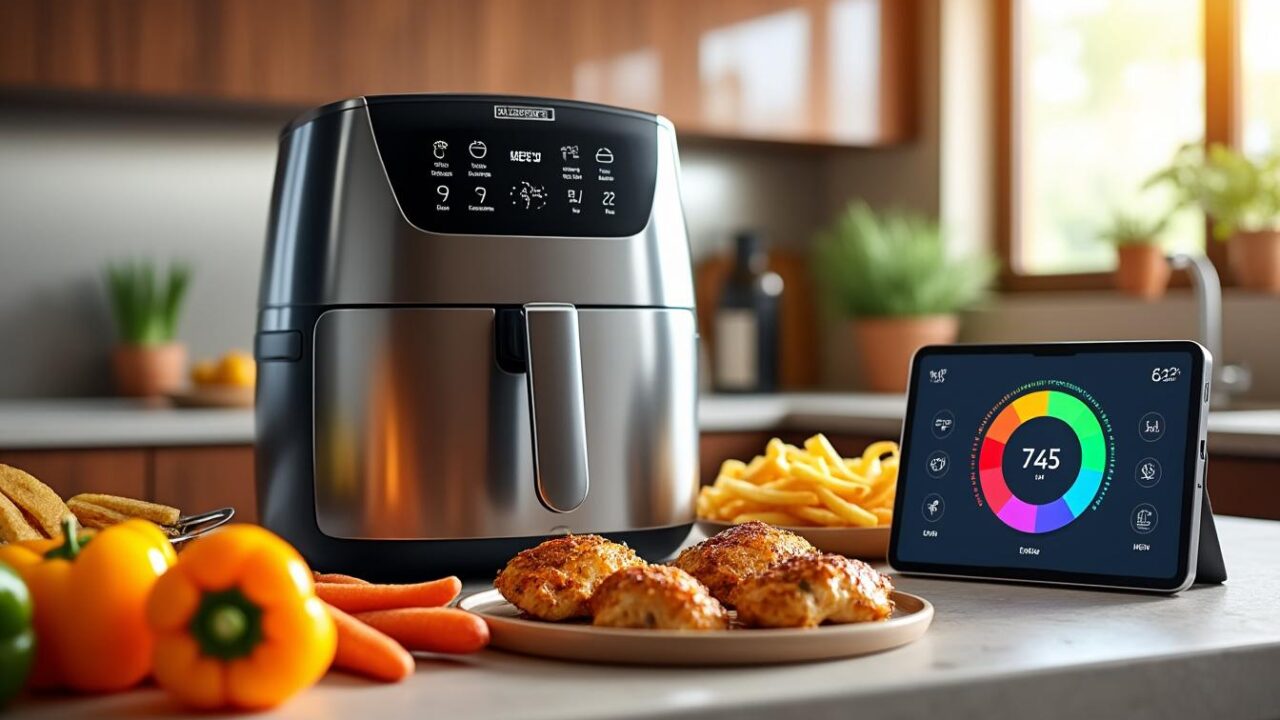

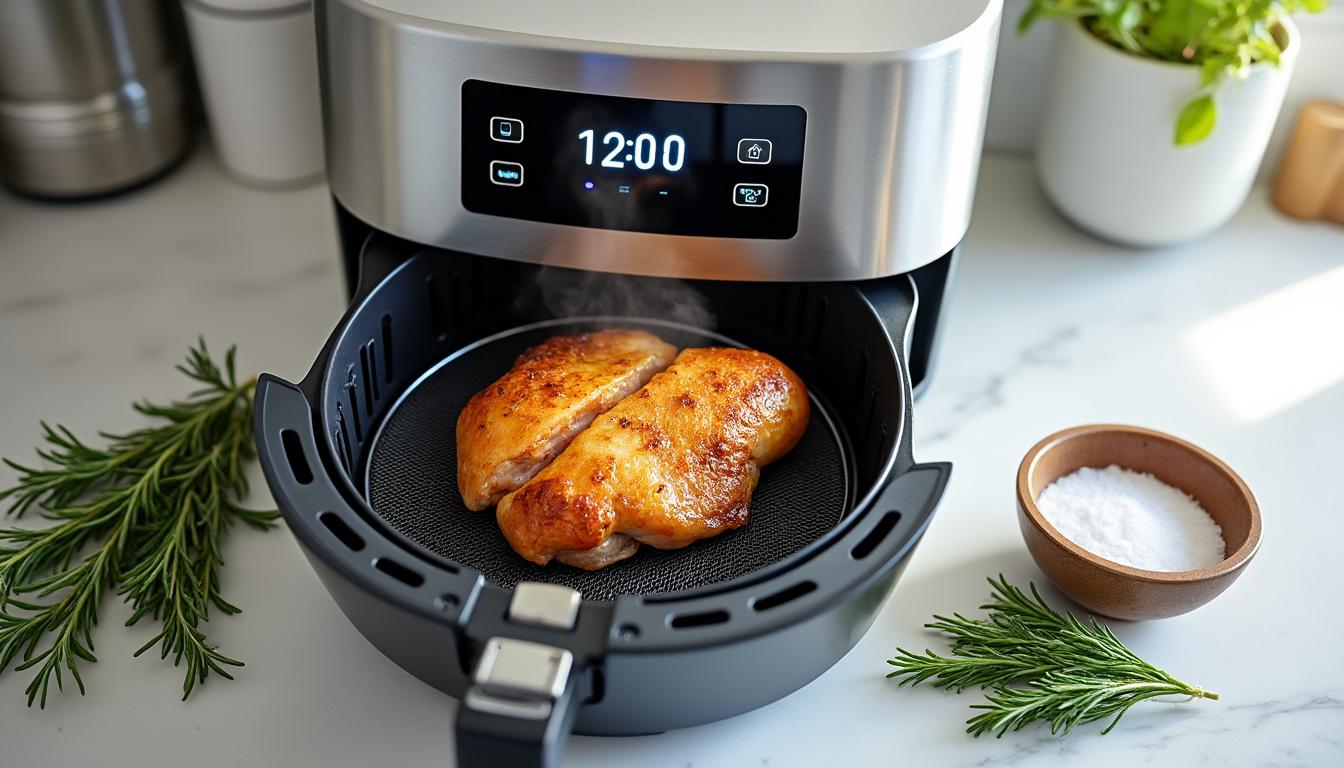
A kitchen rhythm unfolds: hot air whips across a basket, skin crackles, and a faint scent of garlic and paprika signals dinner is ready. This guide maps the precise balance between heat and patience that transforms ordinary poultry into crispy, juicy perfection. From quick weeknight breasts to a golden whole roast, the air fryer streamlines cooking with energy-efficient speed and less oil, promising consistent perfect results when temperature and timing are respected. Alongside practical timings, this piece follows Maya, a fictional neighborhood cook who tests recipes, adjusts temps, and learns to coax out moisture with marinades and resting time. Expect clear air frying tips, recipes that simplify plating, and a troubleshooting lens that turns overcooked regrets into repeatable wins.
Knowledge here is action: preheat, space items for airflow, use a thermometer, and flip once. The appliance is fast but fickle—thickness, bone-in versus boneless, and coatings change the math. This text synthesizes testing, culinary science, and approachable tricks so that every home cook reaches the safe internal temperature without sacrificing tenderness. The result is reliable: dinner that looks like effort but tastes like mastery.
- 🕒 Quick takeaway: Follow cut-specific cooking time and temp for best results.
- 🔥 Temperature matters: 360–400°F is the sweet zone for most cuts.
- 🧾 Must-have: a meat thermometer to hit 165°F (75°C).
- ✨ Finish tip: rest for juices to redistribute — juicy wins every time.
Air Frying Chicken to Perfection: Temperature and Time Guidelines
Air frying relies on convection: rapidly circulating hot air sears the surface while trapping internal moisture. Different cuts demand distinct heat levels because fat and bone change heat transfer. For lean boneless pieces, moderate heat prevents drying; for skin-on or bone-in parts, higher temps encourage a crispy exterior while the interior stays juicy.
Maya’s experiment at her pop-up taught one lesson: start at the recommended temperature, monitor with a probe, and finish with a short rest. That simple ritual produces repeatable restaurant-quality results at home. This is the core method for consistent perfect results.
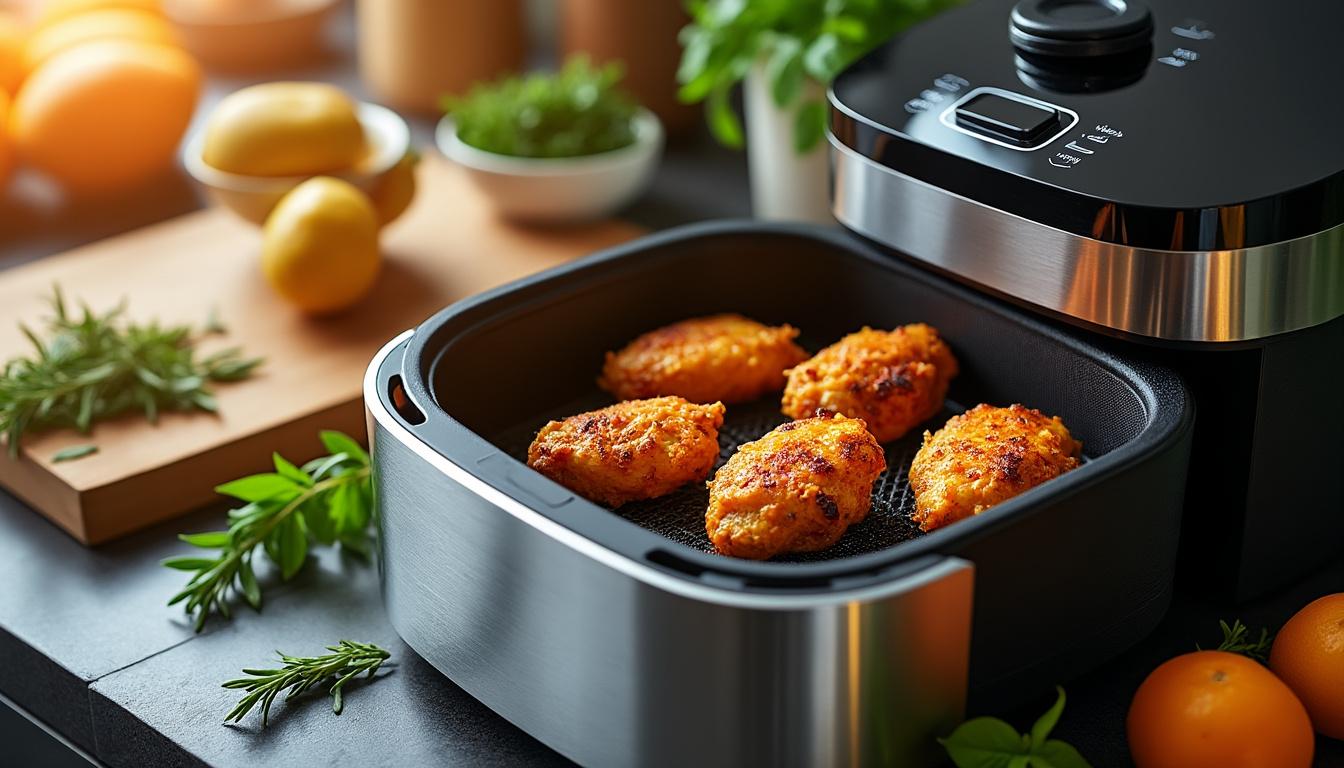
Essential rules before pressing start
Preheat the air fryer for 3–5 minutes to stabilize the cooking environment. Avoid overcrowding so each piece gets even hot-air exposure.
Use a light spray of oil to aid browning on lean cuts and always flip halfway for balanced crust. These simple moves shift outcomes from mediocre to memorable.
Cooking Times and Temperatures for Every Cut
Below is a practical chart synthesizing recommended settings for common cuts. Times assume a single layer and average-sized pieces; adjust if pieces are thicker or frozen. The table helps translate guidelines into action so cooks can choose the right temperature and cooking time for each recipe.
| Cut 🍗 | Temp (°F/°C) 🌡️ | Cooking Time ⏱️ | Notes 📝 |
|---|---|---|---|
| Boneless breast 🐔 | 375°F / 190°C | 12–18 minutes | Flip once; pound to even thickness for juicy result. |
| Bone-in thigh 🍖 | 400°F / 204°C | 22–30 minutes | Higher fat resists drying; crisp skin. Check near bone. |
| Drumsticks 🥁 | 380°F / 193°C | 24–28 minutes | Rotate halfway for even browning; brining helps moisture retention. |
| Wings 🍗 | 400°F / 204°C | 20–30 minutes | Pat dry, toss in baking powder for extra crisp; toss in sauce then reheat briefly. |
| Whole chicken 🐓 | 360°F / 182°C | 60–70 minutes (check at 45 min) | Check thickest parts; let rest 10–15 minutes before carving. |
For expanded technique notes and alternate temp recommendations, consult a detailed temperature-and-time resource like this air frying temperature guide, which complements the chart above. These references help refine timing for different models and altitudes.
How thickness and bone change the math
Thickness slows heat penetration more than weight does. A two-inch breast takes disproportionately longer than a one-inch piece. Bones act like heat sinks, so bone-in pieces often need slightly longer time or staggered heat.
Adapting for thickness is simple: lower the temp slightly and add a few minutes, checking with a thermometer to hit the safe internal temperature. This habit leads to consistently perfect results.
Practical Air Frying Tips and Simple Recipes for Easy Cooking
Pairing technique with seasoning elevates the final plate. A dry rub of smoked paprika, garlic powder, and salt crisps beautifully; a quick buttermilk soak before dredging improves tenderness. Combining method and flavor keeps the process approachable for busy cooks seeking easy cooking wins.
For step-by-step recipes on juicy breasts and perfectly crisp wings, readers can explore targeted guides like juicy air fryer chicken breast guide and a comprehensive wings walkthrough at air fryer chicken wings masterclass. These resources pair well with the practical timings above.
- 🧂 Season early for depth of flavor; pat dry before adding coating.
- 🛠️ Use a meat thermometer to confirm 165°F (75°C) in the thickest part.
- 🍶 Light oil mist improves browning without heavy calories.
- ♨️ Rest the meat for 5–10 minutes to lock in juices.
- 🔁 Cook in batches to avoid crowded baskets and uneven hot-air flow.
Two quick recipes to test tonight
Garlic-Parmesan Chicken Breasts: brush with olive oil, rub garlic and parmesan, air fry at 375°F for 12–15 minutes. Rest and slice thin for salads or sandwiches.
Sweet-Spicy Wings: toss wings in honey and hot sauce after initial crisping, then return for 2–3 minutes at 400°F to set the glaze. Serve with a cooling dip for contrast.
Troubleshooting Common Mistakes and Food Safety
Overcooking is the chief enemy of tenderness; it happens when cooks rely solely on time without checking internal temp. Frequent opening of the basket cools the chamber and extends cooking time randomly.
Always aim for a target internal temperature of 165°F (75°C). For frozen chicken, start at a lower temp to thaw gently, then bump up to finish browning. For more on stepwise frozen cooking tactics, see practical tips at how to cook chicken in the air fryer.
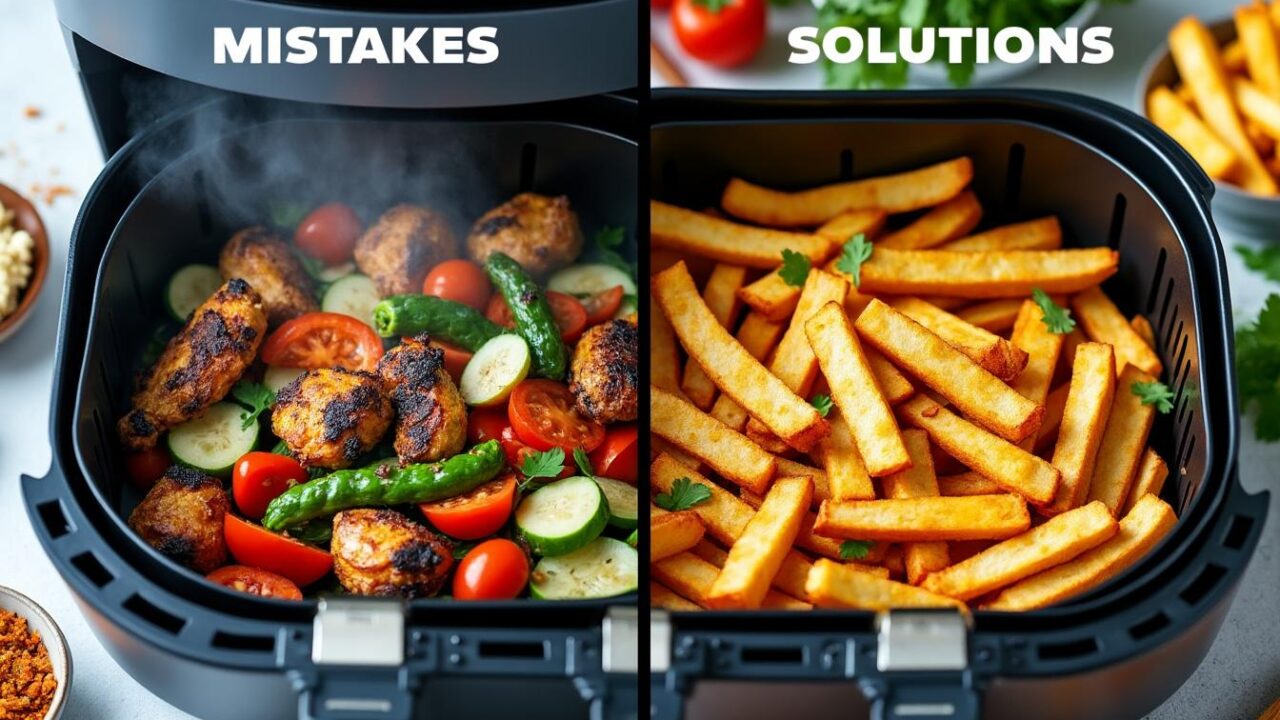
- ❌ Don’t stack pieces — airflow is the point of the appliance.
- ✅ Use short checks with a probe thermometer instead of slicing prematurely.
- ♻️ If juices are running clear but temp is marginal, give a short extra interval and then rest.
Every fix is about control: temperature control, spacing, and timing — master these and results follow.
{“@context”:”https://schema.org”,”@type”:”FAQPage”,”mainEntity”:[{“@type”:”Question”,”name”:”What internal temperature should chicken reach in an air fryer?”,”acceptedAnswer”:{“@type”:”Answer”,”text”:”Chicken should reach a safe internal temperature of 165u00b0F (75u00b0C) in the thickest part. Use a reliable meat thermometer and check bone-in portions near the bone for accurate readings.”}},{“@type”:”Question”,”name”:”Can frozen chicken be cooked in the air fryer without thawing?”,”acceptedAnswer”:{“@type”:”Answer”,”text”:”Yes. Start at a lower temperature (around 360u00b0F / 182u00b0C) for 8u201310 minutes to thaw, then increase heat to achieve browning. Expect about 10u201315 extra minutes overall depending on size; always verify with a thermometer.”}},{“@type”:”Question”,”name”:”How can overcooked chicken be rescued?”,”acceptedAnswer”:{“@type”:”Answer”,”text”:”Slice the chicken thinly and serve with a sauce, or shred and toss into soups, stews, or saucy rice bowls to mask dryness. A short steam with a splash of stock can reintroduce moisture before serving.”}},{“@type”:”Question”,”name”:”Is oil necessary when air frying chicken?”,”acceptedAnswer”:{“@type”:”Answer”,”text”:”A light coating of oil improves browning and helps spices adhere, but itu2019s not mandatory. For low-fat cooking, use a spray or brush a teaspoon per batch to keep calories down while achieving a crispy finish.”}}]}What internal temperature should chicken reach in an air fryer?
Chicken should reach a safe internal temperature of 165°F (75°C) in the thickest part. Use a reliable meat thermometer and check bone-in portions near the bone for accurate readings.
Can frozen chicken be cooked in the air fryer without thawing?
Yes. Start at a lower temperature (around 360°F / 182°C) for 8–10 minutes to thaw, then increase heat to achieve browning. Expect about 10–15 extra minutes overall depending on size; always verify with a thermometer.
How can overcooked chicken be rescued?
Slice the chicken thinly and serve with a sauce, or shred and toss into soups, stews, or saucy rice bowls to mask dryness. A short steam with a splash of stock can reintroduce moisture before serving.
Is oil necessary when air frying chicken?
A light coating of oil improves browning and helps spices adhere, but it’s not mandatory. For low-fat cooking, use a spray or brush a teaspoon per batch to keep calories down while achieving a crispy finish.