
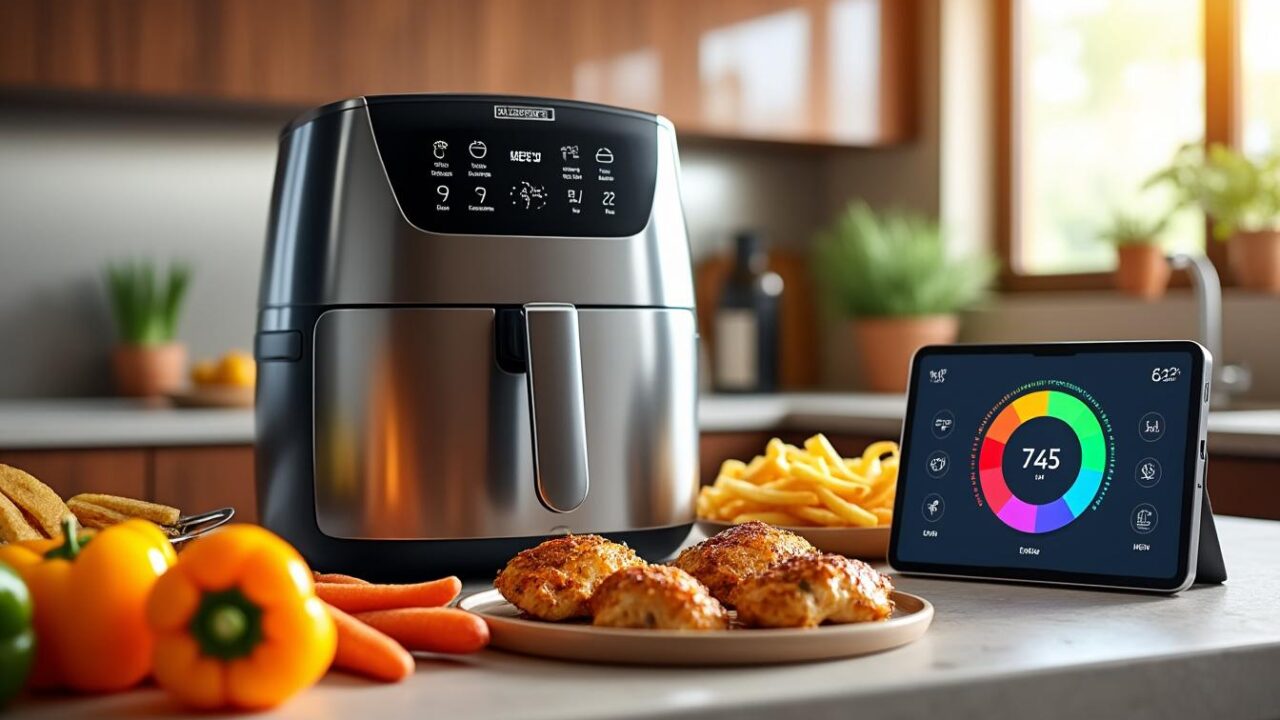

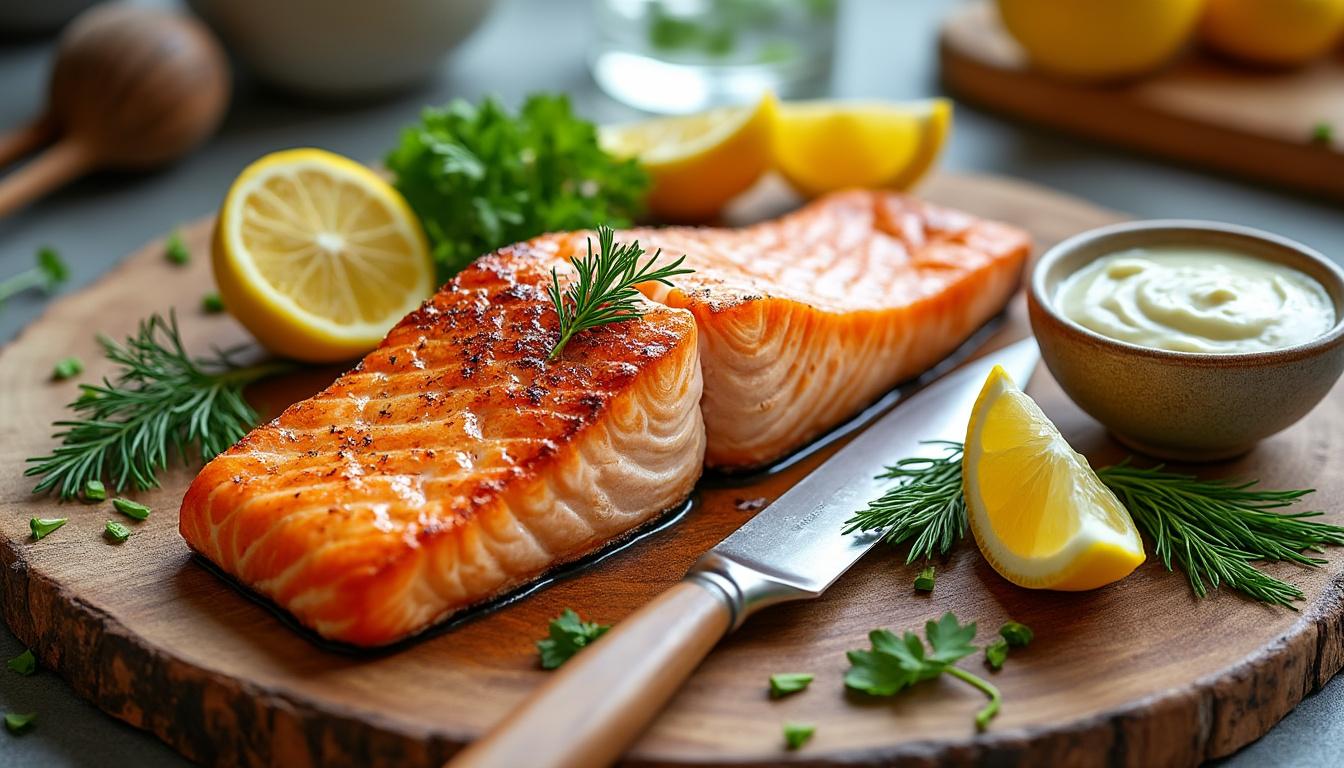
- Quick meal: air fryer salmon ready in about 8–12 minutes for most fillets.
- Crispy skin, tender interior: best results between 375°F and 400°F.
- Healthy cooking: minimal oil, preserves omega‑3s and nutrients.
- Easy recipe: simple seasoning, no flipping required; ideal for busy weeknights.
- Reliable technique: check doneness with a fork or an internal thermometer reaching 145°F (63°C).
A weekend of tests in a small urban kitchen reveals why the air fryer has become the go‑to tool for salmon in 2026: it marries high, dry heat with fast circulation to deliver a crispy exterior while locking in a tender, flaky interior. The narrative follows Maya, a weekday cook who prepares family dinners between remote meetings and piano lessons; she treats each fillet as a miniature experiment, adjusting temperature and timing until the skin crackles and the flesh yields easily to a fork. This guide captures those discoveries, explaining precise temperatures, timing by thickness, troubleshooting tips, and flavor ideas that transform salmon into a reliable, restaurant‑quality plate at home.
Readable, practical and deliberately descriptive, the following sections translate kitchen instincts into repeatable steps for anyone seeking a healthy, seafood option that fits a busy life. Expect clear cooking targets, a concise ingredient table, links to trusted recipes for inspiration, and short video demonstrations to visualize technique.
Optimal air fryer temperature for salmon: balance between crispy and tender
The sweet spot for most fillets sits between 375°F (190°C) and 400°F (200°C). Lower settings favor a gentler cook with less surface browning; higher settings produce more intense crisping in less time. Aim for 375–400°F depending on whether the priority is a delicate interior or a browned, crispy skin.
To understand how circulating hot air achieves this contrast, consult a practical primer on how an air fryer works, which explains airflow and heat patterns that affect timing and texture.
Internal temperature and visual cues to know when salmon is done
The USDA recommends an internal temperature of 145°F (63°C), but many home cooks check for flakiness first: the flesh should separate easily along the muscle lines. Use both methods—thermometer and fork—to avoid overcooking.
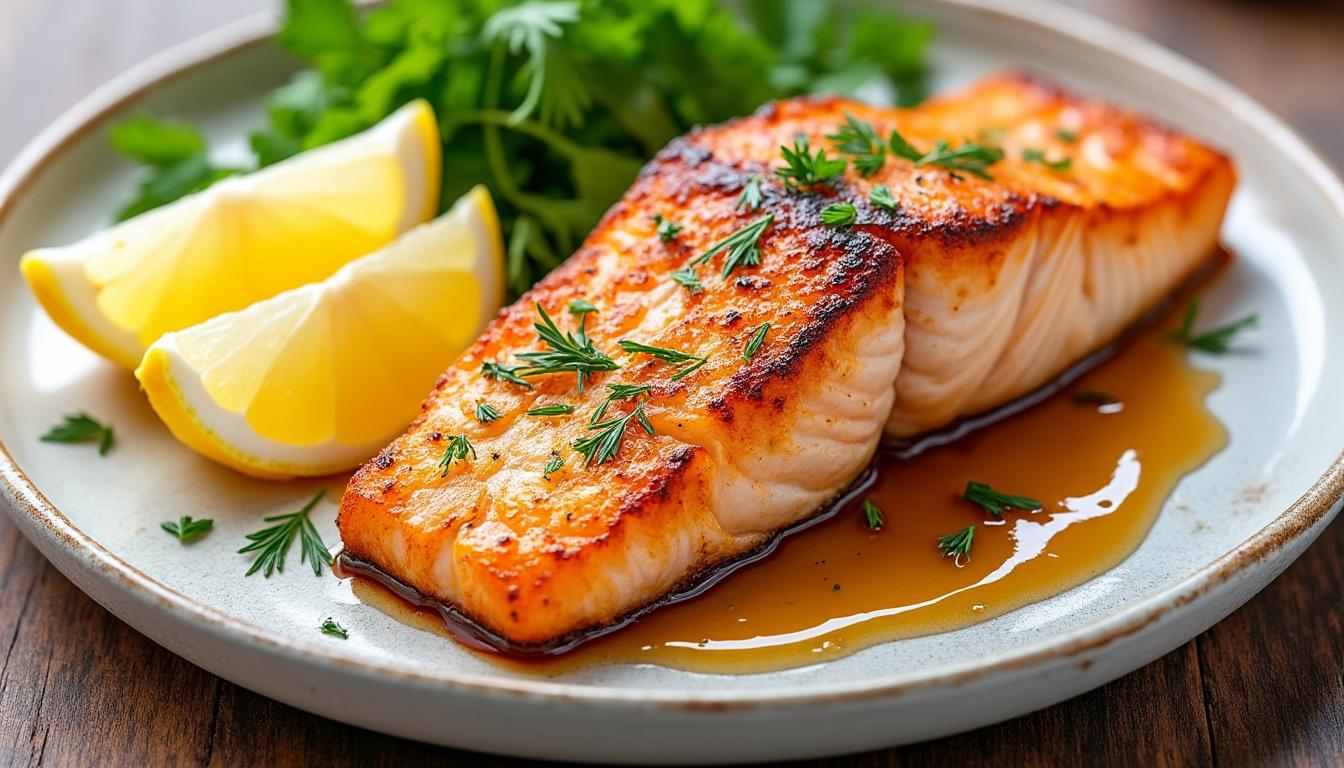
Visually, properly cooked salmon is opaque and light pink through the center; undercooked pieces look translucent. Allow the fillets to rest for a couple of minutes after cooking so juices redistribute.
How long to cook salmon in air fryer: timing by thickness
Cooking time varies with fillet thickness and chosen temperature. As a rule, cook for about 8–12 minutes at 375–400°F. Thin pieces (~1 inch) approach doneness near the 8‑minute mark; thicker cuts (~1.5 inches) need 10–12 minutes.
Start checking at the earlier end to prevent dryness. If cooking skin‑on, place fillets skin‑side down to achieve a crisp exterior without flipping.
Practical timing examples
- 1‑inch fillet at 400°F: 7–9 minutes.
- 1.5‑inch fillet at 375°F: 10–12 minutes.
- Frozen fillet (thawed preferred): add 3–5 minutes; confirm 145°F.
Step‑by‑step cooking guide for perfect air fryer salmon
A clear sequence turns trial into routine: dry, oil, season, preheat, space, cook, rest. Each step nudges the balance toward a flaky interior and a crisp crust.
| Phase | Action | Key point |
|---|---|---|
| Prep | Pat dry, brush with 1 tsp olive oil, season | Dry surface → better crisp |
| Preheat | Air fryer to 375–400°F (3–5 minutes) | Consistent heat shortens cook time |
| Cook | Place skin‑side down, single layer | Do not overcrowd for even air flow |
| Finish | Check at 7–8 minutes, finish to 145°F | Let rest 2 minutes before serving |
Simple ingredient list and nutrition snapshot
| Ingredient | Quantity / Note |
|---|---|
| Salmon fillets | 4 × 6‑oz, skin‑on or skinless |
| Olive oil | 1 tbsp total for brushing |
| Garlic powder | 1 tsp |
| Paprika, salt, black pepper | ½ tsp each |
| Serving | Lemon wedges, optional tartar |
Nutrition per 6‑oz fillet (approx): 367 kcal, 40 g protein, 22 g fat, 0 g sugar. Minimal added oil keeps the meal heart‑healthy while preserving essential fats.
Visual demonstration helps; compare technique with established recipes such as the reliably tested method at Best Damn Air Fryer Salmon and practical weeknight versions at The Yummy Bowl’s air fryer salmon. These resources emphasize timing checks and seasoning balance.
Common mistakes and how to fix them
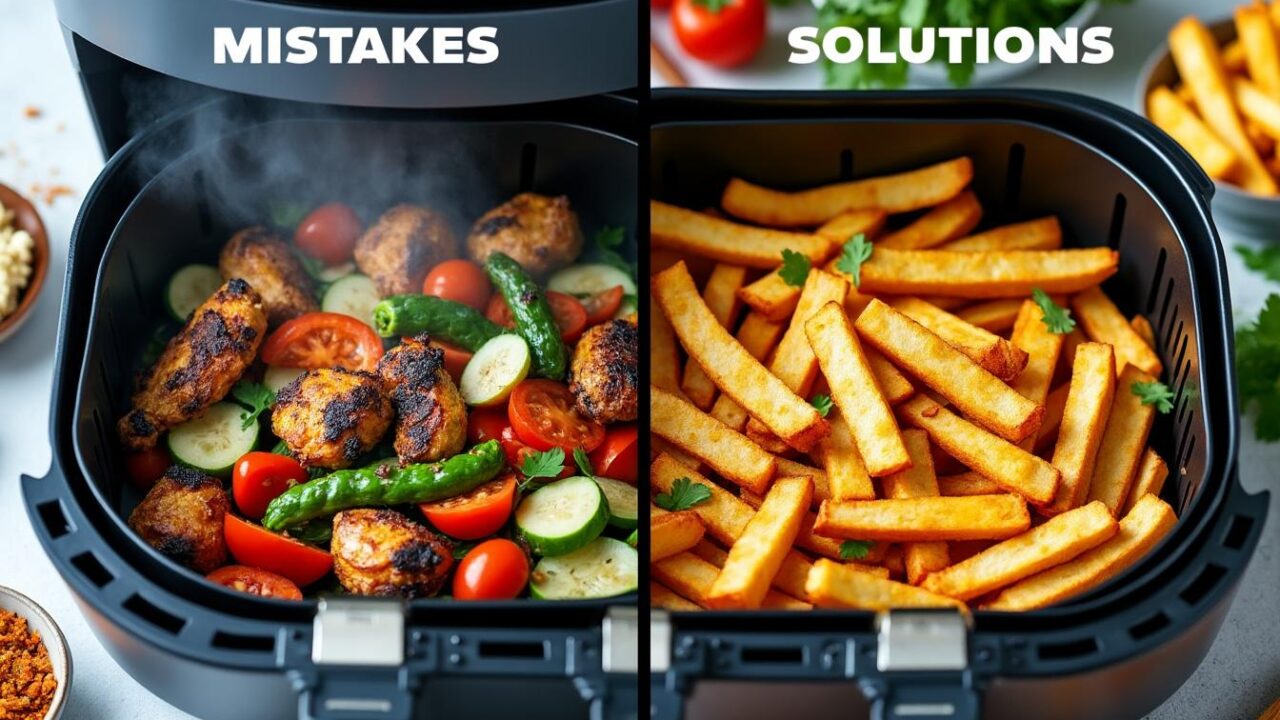
Typical pitfalls are easy to diagnose and reverse. Overcrowding, skipping preheat, and ignoring thickness are the top offenders. Each creates uneven cooking or dryness rather than a harmonized crisp outside and tender center.
- Overcooked salmon: reduce temp by 10–15°F or shorten time; start checking earlier.
- Undercooked center: verify thickness, increase cook time by 1–3 minutes, or finish at a slightly higher temp.
- Rubbery texture: avoid constant flipping; let hot air do the work.
- Sticking to basket: lightly oil or use parchment liner with holes for airflow.
For troubleshooting and alternative seasonings, this detailed how‑to collection outlines common air fryer recipes and ideas: air fryer salmon techniques.
Expert tips for consistently great results
Several small habits transform a good fillet into a signature plate. Pat salmon dry to improve crisping, resist over-marinating acids that cure the flesh, and always leave space between pieces for proper circulation.
- Use skin‑on fillets when possible; skin helps retain moisture and crisps beautifully.
- Apply glazes during the last 1–2 minutes to avoid burning sugar.
- Cook vegetables like asparagus alongside salmon for a one‑basket meal—watch timing differences.
- For frozen fish, partially thaw and brush with oil before seasoning for even browning.
For a deeper primer on using air fryers and advanced crisping techniques, the comprehensive beginner’s guide at how to use an air fryer provides stepwise tips and capacity advice.
Serving, storing and reheating air fryer salmon
Serve immediately for the best contrast between crunchy edges and soft interior. A squeeze of lemon brightens flavor and balances richness. Pair with a salad, roasted grains, or steamed greens for a complete plate.
Store cooked salmon in the refrigerator up to 3 days. Reheat gently in the air fryer at 300°F for 2–3 minutes to preserve texture. For meal prep, keep fish separate from moist sides to avoid sogginess.
For recipe variations—teriyaki, honey mustard glaze, or Mediterranean herbs—consult practical adaptations and timing notes at Cooking with Anadi and a straightforward weeknight version at QuickY Recipes.
{“@context”:”https://schema.org”,”@type”:”FAQPage”,”mainEntity”:[{“@type”:”Question”,”name”:”What temperature is best for air fryer salmon?”,”acceptedAnswer”:{“@type”:”Answer”,”text”:”Aim for a range of 375u00b0F to 400u00b0F. Use 375u00b0F for a gentler cook and 400u00b0F for a crisper exterior. Always confirm doneness with an internal thermometer or fork.”}},{“@type”:”Question”,”name”:”How long should salmon cook in an air fryer?”,”acceptedAnswer”:{“@type”:”Answer”,”text”:”Cook most fillets for about 8u201312 minutes, checking at the earlier end. Thin fillets finish quicker (7u20139 minutes at 400u00b0F) while thicker pieces need more time.”}},{“@type”:”Question”,”name”:”Can frozen salmon be cooked in an air fryer?”,”acceptedAnswer”:{“@type”:”Answer”,”text”:”Yesu2014but thawing first yields more even results. If cooking from frozen, increase time by several minutes and ensure the internal temperature reaches 145u00b0F (63u00b0C).”}},{“@type”:”Question”,”name”:”Why did my salmon turn out dry?”,”acceptedAnswer”:{“@type”:”Answer”,”text”:”Overcooking is the primary cause. Start checking earlier, use skinu2011on fillets to retain moisture, brush lightly with oil, and avoid overcrowding the basket which can cause steaming instead of crisping.”}}]}What temperature is best for air fryer salmon?
Aim for a range of 375°F to 400°F. Use 375°F for a gentler cook and 400°F for a crisper exterior. Always confirm doneness with an internal thermometer or fork.
How long should salmon cook in an air fryer?
Cook most fillets for about 8–12 minutes, checking at the earlier end. Thin fillets finish quicker (7–9 minutes at 400°F) while thicker pieces need more time.
Can frozen salmon be cooked in an air fryer?
Yes—but thawing first yields more even results. If cooking from frozen, increase time by several minutes and ensure the internal temperature reaches 145°F (63°C).
Why did my salmon turn out dry?
Overcooking is the primary cause. Start checking earlier, use skin‑on fillets to retain moisture, brush lightly with oil, and avoid overcrowding the basket which can cause steaming instead of crisping.