
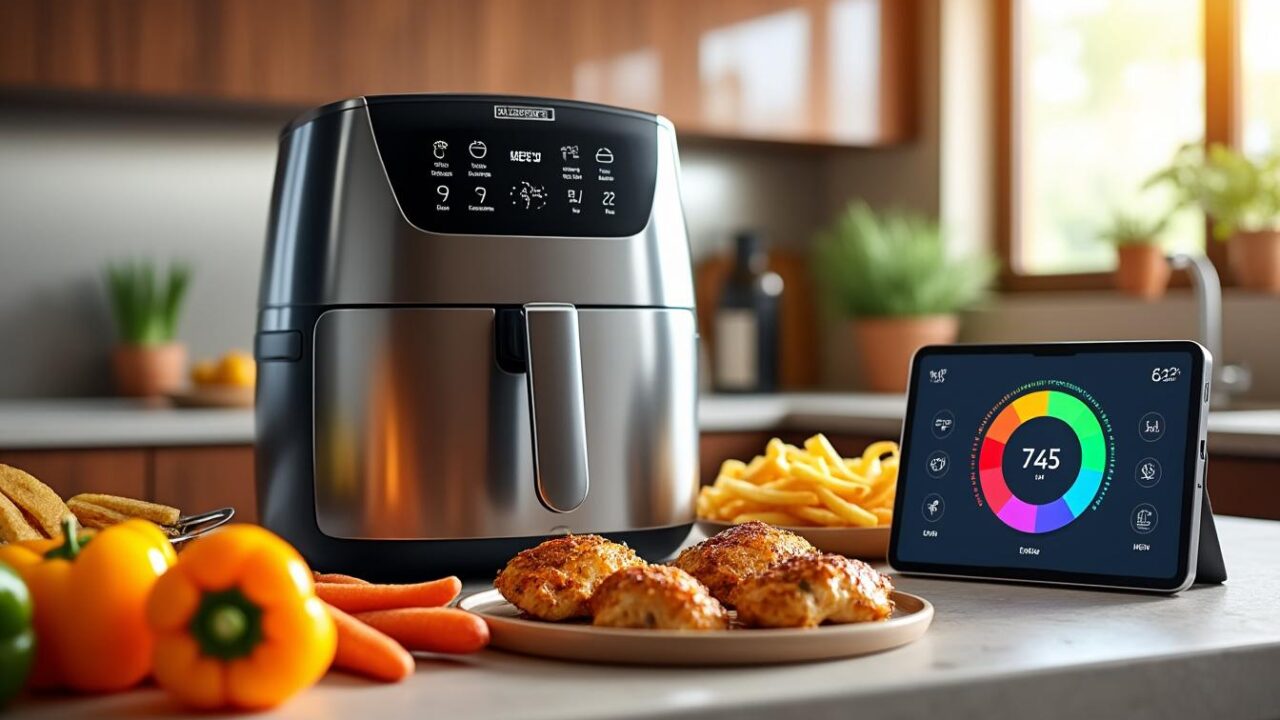
How to make air fryer french fries perfectly crispy without oil
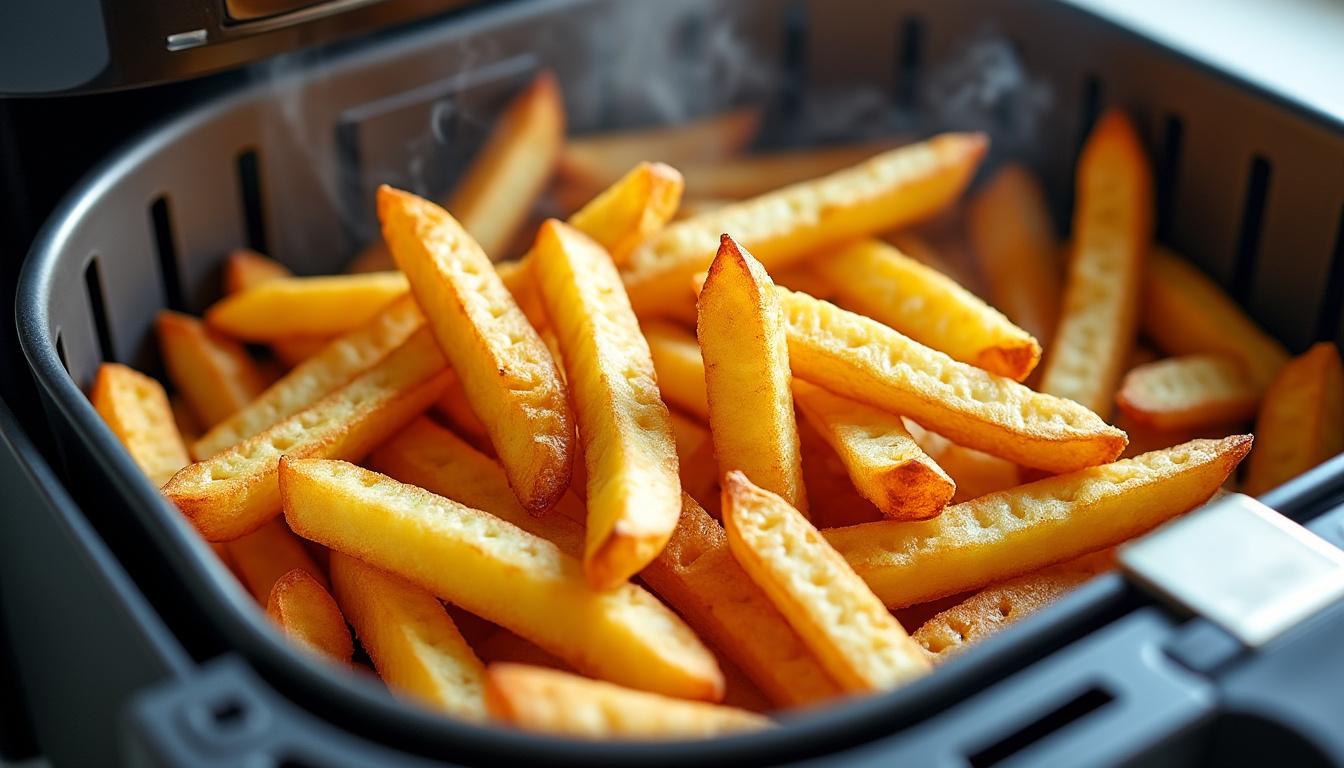
The pursuit of perfectly crispy, oil-free French fries has become a modern kitchen obsession. This practical report examines every stage of the process—from selecting the ideal tuber to the final holding technique—so that an air fryer transforms humble potatoes into an unbeatable snack recipe. Presented through a recurring home cook, Maya, the narrative unfolds as a step-by-step laboratory of texture and flavor, marrying the science of starch and moisture with accessible, low-fat culinary tricks. The result is a set of reproducible routines for healthy cooking at home, an appealing oven alternative for weeknight sides, and guidance suitable for anyone seeking an easy cooking approach without compromise. Expect precise timings, troubleshooting advice, and seasoning strategies that stick without oil, plus links to deeper resources for cooks who want to experiment beyond the basics.
En bref
- Choose high-starch potatoes (Russet) for shatter-crisp exteriors and fluffy interiors.
- Soak and dry — cold water removes surface starch; aggressive drying prevents steaming.
- Use a light coating or none and consider tiny amounts of cornstarch for a glassy crust.
- Preheat, avoid crowding, and try a two-stage cook (lower temperature to set interior, then higher to crisp).
- Hold on racks, not piled, and salt immediately to ensure seasoning adhesion.
Choosing the right potato for the crispiest air fryer french fries
Variety selection is the foundation of any reliable method for oil-free fries. In Maya’s tiny test kitchen, batches were compared across Russet, Yukon Gold, and sweet potatoes to isolate texture and browning behavior. Russet potatoes consistently produced the best contrast: a crispy exterior and a cottony interior. That outcome is traceable to their high starch and low moisture profile, which favors surface dehydration and starch gelatinization into a fragile, crisp crust during hot-air circulation.
Yukon Golds offer a different appeal: a naturally buttery flavor and a denser, creamier bite. For thicker-cut “steak” fries that aim for a broad tender center rather than extreme shatter, Yukon Gold is a strong choice. Sweet potatoes bring a sweeter flavor and different sugar profile; they brown quickly and often require slightly lower temperatures and watchful timing to avoid over-darkening.
Practical storage and selection details matter. Choose firm, blemish-free spuds and store them in a cool, dark spot to slow starch conversion. Refrigeration encourages conversion of starch to sugar, which leads to accelerated browning and uneven color when cooked in 2026-era home appliances. When testing multiple varieties, keep them separate and record timing and temperature notes for consistent results in subsequent batches.
For cooks wanting a deeper dive into choice and technique, reputable guides complement these notes. For crisping principles adapted to myriad models, see resources like how to achieve the crispiest air fryer fries, which expands on varietal behavior and texture goals in practical home kitchens.
Example: Maya’s comparative trial—three potatoes, three batches, identical cuts—yielded these observations: Russet at 400°F created the most pronounced “shatter” sound at the bite, Yukon Gold produced a richer mouthfeel with slightly less surface crunch, and sweet potatoes required a 2–3 minute shorter final crisp stage to maintain color. This experimentation underscored that the potato choice drives the cooking strategy more than seasoning choices.
Key insight: choose the potato to match the intended final texture—Russet for maximum crisp, Yukon Gold for creamier interior—and document timings for repeatable oil-free success.
Precision cutting, soaking and potato preparation for uniform oil-free crisp
Uniformity in shape is often underestimated. Maya learned this the hard way: uneven matchsticks produced mixed results, with thin edges burning while thicker centers stayed undercooked. Consistent thickness ensures predictable heat penetration and synchronized browning. Aim for matchstick-size (about ¼ inch) for classic fries; adjust larger for steak-cut fries and increase initial cooking time accordingly.
Cutting tools matter. A sharp chef’s knife with a steady hand or a mandoline with a fry-cut attachment accelerates the process and improves uniformity. Arrange cut pieces in a single layer on a tray and inspect visually—line them up like rulers to spot outliers before soaking.
Soaking is a crucial potato preparation step. Immersing cut potatoes in cold water for 30 minutes pulls surface starch that otherwise glues pieces together and inhibits airflow. Even a 10–15 minute soak helps when time is constrained. The water will cloud as starch releases; changing the water if it grows very murky is a simple refinement. After soaking, rinse briefly to remove residual starch dust before moving to drying.
Drying aggressively is non-negotiable. Any surface moisture turns into steam when hot air hits the fry, softening the crust and ruining the goal of a crunchy shell. Pat with towels until the pieces feel tacky rather than wet. Letting fries air-dry for about five minutes finishes the job. For batch work, swap docking towels frequently so they stay effective.
For cooks seeking a minimalist approach, the technique is compatible with oil-free methods: the combination of starch reduction via soaking plus thorough drying often yields crisp results even without oil. When a slight sheen is desired to encourage browning, use only 1–2 teaspoons of neutral, high smoke-point oil per medium potato to produce a whisper of coverage. The difference between a greasy sheen and a whisper is the difference between limp and shatter-crisp fries.
Practical checklist:
- Cut uniformly (use mandoline or sharp knife).
- Soak in cold water 30 minutes (or 10–15 minutes when rushed).
- Rinse, then pat dry and air-dry for a few minutes.
- Use minimal oil (optional) and consider a small dusting of cornstarch for extra crisp.
Key insight: precision in cutting and rigorous drying create the structural conditions—reduced surface starch and moisture—that allow an air fryer to produce oil-free, reliably crispy fries every time.
Air fryer technique: preheat, circulation, two-stage cooking and oven alternative tips
How the appliance is used matters as much as the prep. Modern air fryers behave as high-efficiency convection ovens; understanding their airflow and heat profile unlocks consistent results. Maya adopted a two-stage method that balances interior tenderness with exterior snap.
First, preheat the air fryer for 3–5 minutes. A hot chamber jumpstarts surface browning. Preheating reduces sticking and gives a fast initial crust set that inhibits excessive steam formation. If the unit lacks an explicit preheat option, run it empty at the target cooking temperature for the same interval.
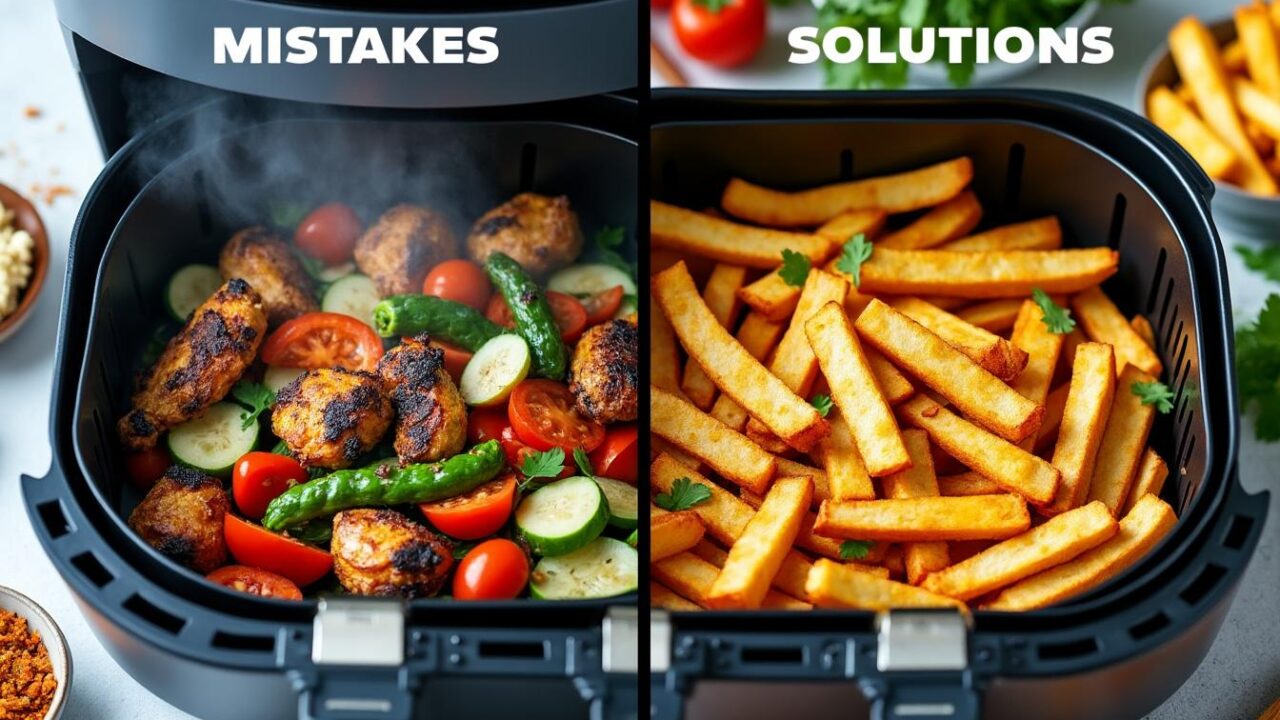
Next, avoid crowding the basket. Air needs freedom to circulate; overcrowding traps moisture and causes a steamed, limp finish. Arrange fries in a single loose layer and cook in batches when necessary. Small batches also make shaking or flipping more effective. Keep the next batch ready so the appliance remains hot between loads and to reduce total waiting time.
The two-stage schedule: begin at about 350°F for 10–12 minutes to cook the interior without overbrowning. Then raise the temperature to 400°F for 8–12 minutes to achieve the golden exterior. Shake or flip halfway through the second stage for even color. Adjust times for thickness, load size, and machine model; for thin fries, shave a few minutes off each stage. For frozen fries—already par-cooked—skip soaking and adjust by adding 2–4 minutes to the higher-temperature stage.
Many cooks ask whether an air fryer is genuinely a superior oven alternative. In tight urban apartments where Maya cooks, the air fryer offered a faster, energy-efficient route to crisp than heating a full-size oven. It also freed counter space while producing comparably crunchy results. For larger gatherings, the oven still shines for volume—but for everyday low-fat, rapid crisping, the air fryer is often the preferred tool.
For technique references and advanced tips on achieving crisp in different models, consult stepwise guides such as the comprehensive usage instructions in the beginner’s guide and cooking tips at how to use an air fryer and the follow-up on crisping strategies at best air fryer cooking tips for crispy results.
Example timing table for typical cuts (use as starting guide):
| Cut Type | Initial Stage | Final Crisp Stage | Notes |
|---|---|---|---|
| Thin matchsticks (~¼ in) | 350°F — 8–10 min | 400°F — 6–8 min | Watch closely to avoid drying |
| Standard fries (~½ in) | 350°F — 10–12 min | 400°F — 8–12 min | Shake halfway through final stage |
| Thick steak fries (~¾ in) | 350°F — 14–18 min | 400°F — 10–14 min | Longer initial stage to soften center |
Key insight: combine preheat, single-layer batches and a two-stage cook to harmonize interior tenderness with a shattering exterior—turning the air fryer into a superior, energy-efficient oven alternative for weeknight fries.
Seasoning, holding and serving: salt timing, crisp boosters, and healthy cooking serving ideas
Finishing touches make or break the perception of crisp. Salt timing is one of those deceptively simple factors: season immediately after the fries come out of the fryer while surfaces are still hot and slightly oily. The salt clings and flavors the crust rather than falling to the plate. For oil-free preparations, a brief spray or a touch of residual surface moisture—left intentionally tacky from drying—can help seasonings adhere.
Add a small amount of cornstarch or rice flour before cooking as a crisp booster. Just 1–2 teaspoons per two medium potatoes yields a micro-thin film that crisps to a delicate glassy shell. Cornstarch favors a smooth sheen; rice flour gives a slightly grainier snap. Toss lightly and shake off excess to prevent powdery lumps. These micro-coatings pair well with minimal oil, but they can also perform admirably in truly oil-free routines.
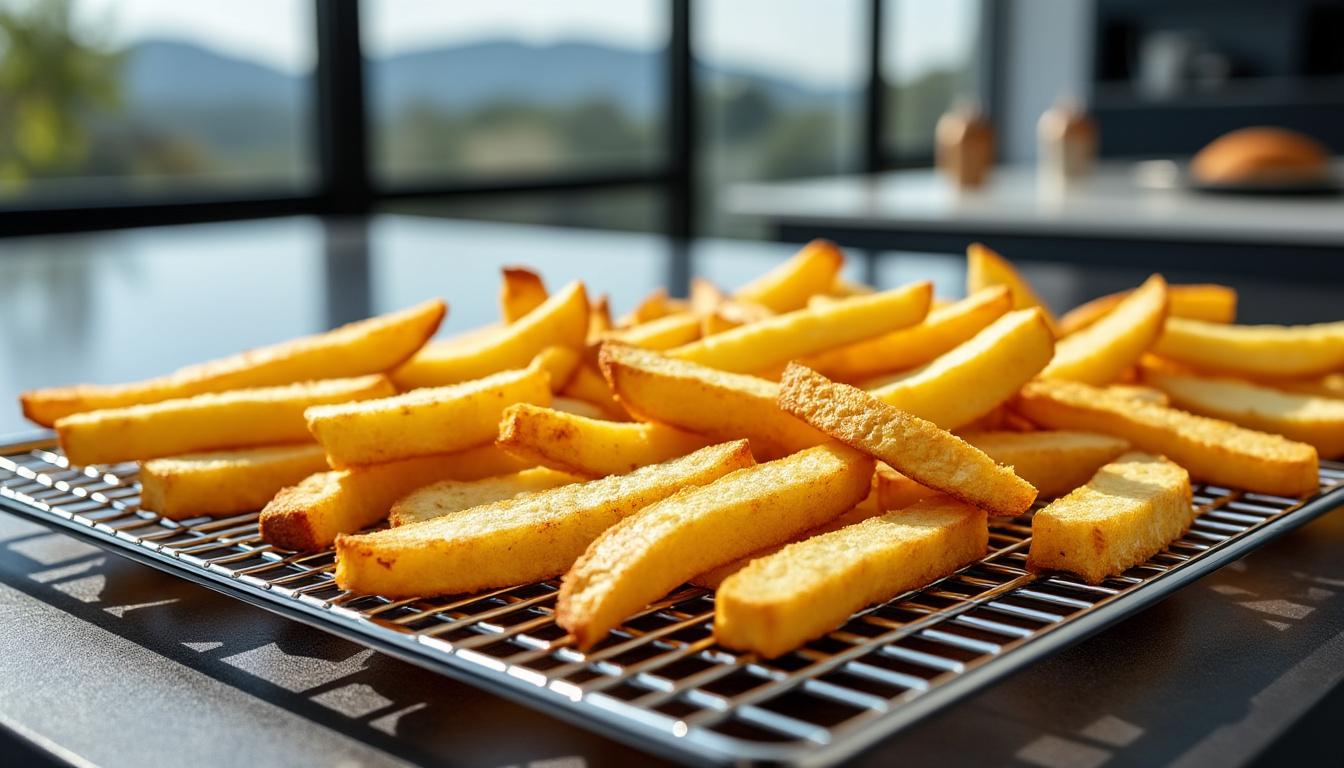
When plating, keep fries on a wire rack or a single layer plate so steam escapes and bottoms remain dry. For multiple batches, hold finished fries in a 200°F oven on a rack—this keeps them warm without softening. Avoid stacking, which traps steam and quickly dissolves the crisp. Offering an array of dips elevates the snack: classic ketchup, an herb aioli, or a tangy yogurt-based dip for a lighter profile.
This section also explores seasoning blends that pair naturally with the potato base. Try smoked paprika and garlic powder for smoky depth, or lemon pepper and grated Parmesan for a bright, savory finish. For complex flavor with controlled salt, layer a base of fine salt immediately after cooking and follow with a light sprinkle of powdered herbs or cheese. Taste and adjust sparingly to maintain balance.
Health-conscious plating ideas: pair air fryer fries with a green salad dressed in vinaigrette, or serve alongside grilled fish for a balanced plate. The low-fat nature of oil-free fries keeps them compatible with many diet plans without sacrificing indulgence. For inspiration and variations, curated recipes such as the air fryer french fries recipe present creative twists for herbs and seasoning.
For busy cooks who want quick references and additional technique recipes, sites like Serious Eats’ air fryer francais guides and other tested recipes offer advanced tips on cornstarch slurries and timing adjustments for different potato types.
Key insight: season hot, consider a micro-dust of cornstarch for extra crunch, and use racks or low-holding ovens to preserve the crisp until service—turning an everyday side into a standout snack recipe suitable for healthy cooking.
Do fries need oil to become crispy in an air fryer?
No. With proper soaking, aggressive drying, and hot-air circulation in single layers, fries can reach a crispy exterior without added oil. A tiny amount of oil can produce quicker browning, but true oil-free crisp is achievable with starch control and temperature staging.
How long should potatoes be soaked before air frying?
Soaking for 30 minutes is ideal to remove surface starch, though 10–15 minutes improves results when time is limited. After soaking, rinse and dry thoroughly to prevent steaming in the air fryer.
Can frozen fries be used and do they need the same prep?
Frozen fries are pre-cooked and should be used straight from the freezer without soaking. Cook at a higher temperature (around 400°F), shake often, and add a few minutes if the batch looks pale to achieve a crisper finish.
What’s the best way to keep fries crisp when making multiple batches?
Transfer finished fries to a wire rack in a 200°F oven to keep them warm and dry. Avoid piling fries together, which traps steam and softens the crust.