

Are air fryers safe to use what you need to know
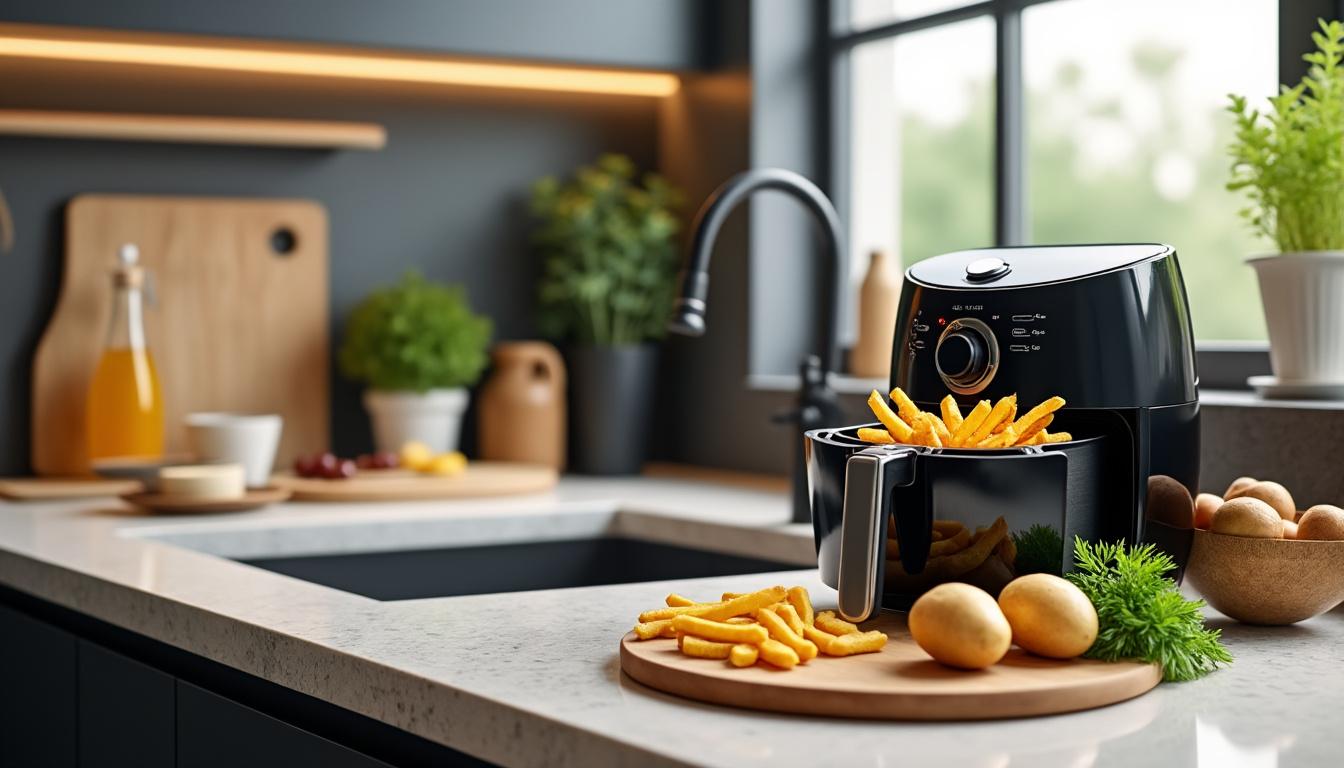
The arrival of air fryers in kitchens worldwide has reshaped everyday cooking, promising crisp textures with less oil, faster meals and lower energy bills than traditional ovens. Yet popularity has sparked questions about safety, from the risk of overheating and grease fires to concerns about nonstick coatings and long-term health effects. Practical knowledge about placement, temperature control and routine maintenance resolves most risks, while careful choice of model and accessories further reduces exposure to hazards. This article navigates the critical safety dimensions of air fryers—covering electrical and fire hazards, proper use, cleaning regimes, material considerations and energy efficiency—so cooks can enjoy the device’s convenience without compromising safety. Illustrated by a fictional home cook’s experience and supported by recent industry guidance, the content explores how simple habits and correct equipment selection protect both people and appliances while preserving the benefits that made air fryers a kitchen staple.
- Key safety focus: correct placement, ventilation and avoiding overcrowding to reduce fire hazard.
- Temperature control matters: preheating, accurate timers and meat thermometers prevent undercooking and overheating.
- Maintenance prevents accidents: regular cleaning of the basket and heating coils removes grease buildup that can ignite.
- Material choices: understand nonstick coatings and seek non-toxic materials or alternatives when concerned.
- Energy efficiency and usage: air fryers often save energy compared to full-size ovens when used correctly.
Air Fryer Safety Tips: The Ultimate Guide to Safe Cooking Practices
Air fryers reach high temperatures quickly, and their compact design concentrates heat. That benefits cooking speed but magnifies risks if safety guidelines are ignored. A practical approach starts with location: position the appliance on a stable, heat-resistant surface with several inches of clearance on all sides to allow hot air to vent properly and prevent nearby cabinetry or fabrics from warming excessively.
Power management is the next consideration. Plugging an air fryer directly into a dedicated wall outlet reduces the chance of overloaded circuits and overheating caused by extension cords. An electrical fault or a stressed circuit can contribute to appliance failure or sparks, so monitoring outlet condition and unplugging the device after use are simple, effective protections.
Daily habits influence risk more than theoretical dangers. Overfilling the basket blocks airflow, forcing the unit to run hotter and extending cook time unpredictably. That not only affects texture but can increase the chance of burning oil or food residue. Using a meat thermometer and following reputable timing guidelines ensures food reaches safe internal temperatures without unnecessary overheating.
Routine maintenance also plays an essential role. A buildup of grease and charred food on the basket, pan or heating element raises the probability of smoke and flames. Cleaning the basket after every use and inspecting the heating coil at least monthly reduces that risk markedly. For a detailed checklist on safe operating procedures, reputable resources such as air fryer safety tips offer step-by-step recommendations from setup to storage.
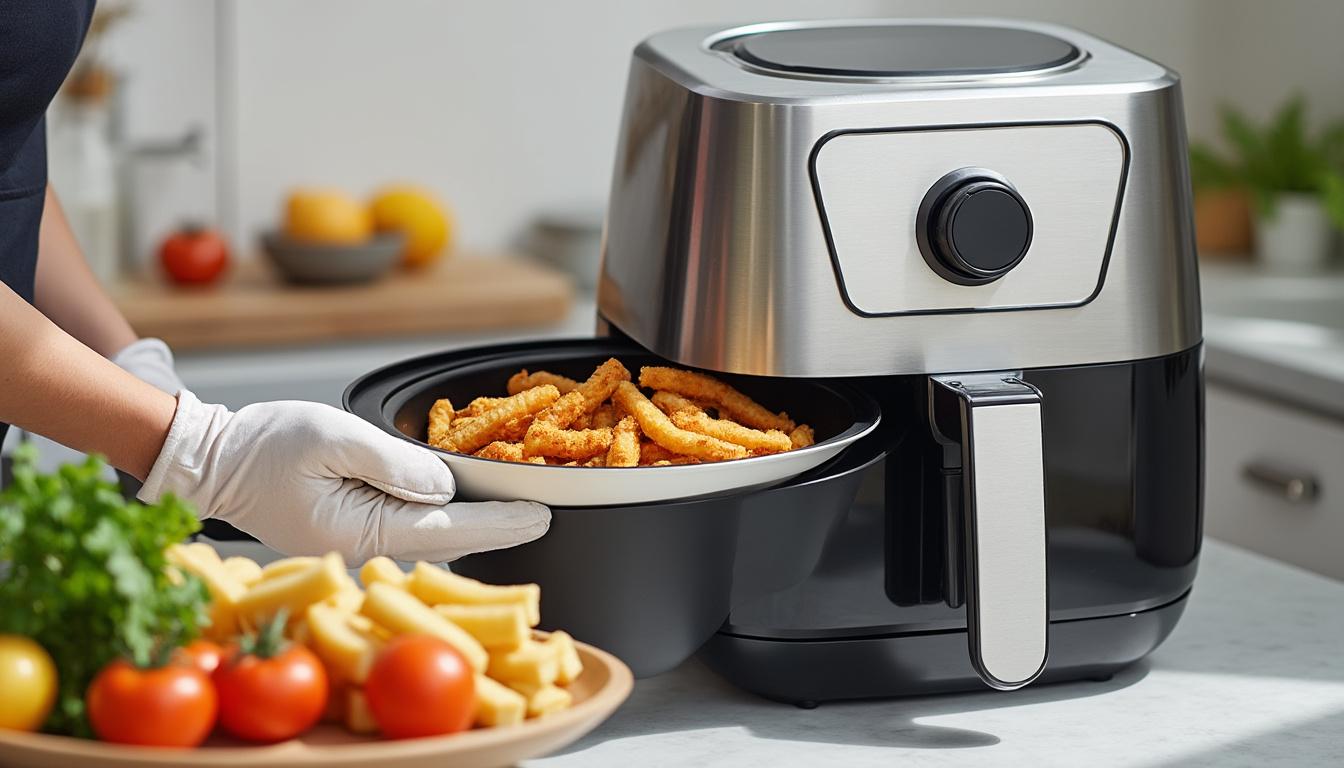
Finally, educating household members about simple rules—never place flammable items nearby, avoid touching hot surfaces, use heat-resistant gloves and never leave the appliance unattended for extended periods—keeps the kitchen safe. A single attentive routine prevents most common incidents and keeps the air fryer as a convenient ally in daily cooking. This practical safety-first mindset transitions smoothly into the technical aspects of overheating and temperature control examined next.
Understanding Overheating, Temperature Control and Fire Hazard in Air Fryers
Overheating is often the root cause of the most severe air fryer incidents. High operating temperatures—typically between 300°F and 400°F (150°C to 200°C)—mean that poor ventilation, blocked exhaust ports or excessive oil in the basket can create smoke or flames. The physics is straightforward: trapped hot air raises internal temperatures beyond the intended setpoint and can ignite accumulated grease.
Temperature control is both a user and a device consideration. Some models have precise digital thermostats and safety cutoffs; others rely on simpler mechanical controls. Choosing a model with reliable electronics and an automatic shutoff feature adds a safety layer. When cooking, use the temperature recommended for each food type and avoid exceeding the suggested time for high-heat steps.
Grease fires require special attention. Water should never be used to extinguish a grease fire: the wrong response will spread burning oil. The recommended actions are to smother the flames with a metal lid or to use an appropriate kitchen fire extinguisher, then call emergency services if the fire does not extinguish quickly. Authoritative safety guidance aligns on these procedures, and compact, clear instructions should be kept near the kitchen as a reference.
To illustrate, consider a fictional household scenario: Maya, a busy parent, once left an air fryer running with a heavily oiled dish while answering the door. Grease splatter reached the heating coil and sparked. Because a metal lid and a small extinguisher were within reach, the fire was contained immediately with minimal damage. This anecdote demonstrates how preparedness and proximity of safety tools reduce harm.
Below is a simple reference table for cooking ranges and safe internal temperatures, useful for avoiding undercooking and unnecessary high-temperature runs.
| Food Type | Typical Air Fryer Temperature | Safe Internal Temperature |
|---|---|---|
| Chicken pieces | 360°F – 400°F | 165°F (74°C) |
| Pork chops | 350°F – 375°F | 145°F (63°C) with rest time |
| Fish fillets | 320°F – 380°F | 145°F (63°C) |
| Vegetables | 320°F – 400°F | Not applicable; cook to preferred tenderness |
Understanding the relationships between set temperature, cook time and internal food temperature prevents overuse of high heat and reduces the chance of accidental ignition. For a deeper look into concerns about toxicity and material safety, a measured reading like air fryer health guidance can be consulted to align safe cooking practices with health considerations. Vigilant temperature control is the core of everyday air fryer safety and prepares the user for low-risk, high-quality results.
Maintenance and Cleaning for Longevity and Non-Toxic Materials
Regular maintenance extends an air fryer’s life while minimizing hazards associated with grease accumulation and faulty components. Cleaning the basket after each use removes residual oil and food particles that would otherwise char and potentially ignite during subsequent cooking cycles. Gentle scrubbing with warm soapy water is often enough; many manufacturers advise avoiding abrasive cleaners that damage nonstick coatings.
Beyond the basket, the heating element and the area directly above the food chamber collect dispersed oil and crumbs. Monthly inspection and careful cleaning of these parts prevent hidden grease pockets. A damp cloth or the non-abrasive side of a sponge usually suffices; excessive water or aggressive chemicals should be avoided to prevent electrical damage.
Concerns about nonstick coatings and chemical safety are common. Many baskets use modern nonstick formulations different from older PFOA-based coatings. When material safety is a priority, there are alternatives: glass or stainless steel accessories, oven-safe racks, and models marketed with ceramic or uncoated baskets. Reliable reporting on claims of toxicity and myths can be found in consumer-focused articles such as those exploring whether air fryers are toxic, which provide balanced viewpoints on materials and exposure risk.
Choosing a model from a reputable manufacturer, checking for safety certifications and avoiding suspiciously inexpensive units reduces the risk of encountering substandard materials. Since 2021, recalls have highlighted that poor manufacturing or design flaws in some low-end models can lead to overheating or electrical faults. Investing in a unit with clear safety features and long-standing brand support often pays off in reliability and peace of mind.
Cleaning routine example: after a batch of wings, first remove and soak the basket to loosen oil. Next, wipe the interior with a damp cloth, invert the appliance to inspect and gently clean the heating coil area, then dry components completely before reassembly. This three-step approach keeps the fryer smelling fresh, reduces smoke during future uses and lowers the chance of a grease-related incident. Proper maintenance is the difference between an efficient appliance and a potential hazard.
Consistent care leads to fewer malfunctions and preserves the benefits of air frying while addressing public concerns about long-term exposure to nonstick chemicals. Maintaining a tidy, well-functioning device is essential for safe day-to-day cooking.
User Guidelines for Safe Cooking, Preheating and Energy Efficiency
Practical user guidelines convert safety advice into daily habits. Preheating can improve crispness and reduce cook time, but it should be done only as recommended for the specific recipe or device. Many sources explain how to preheat correctly; following those instructions avoids needless extra cycles and helps with temperature control.
Accessories matter. Use oven-safe silicone, glass or metal inserts when required, and handle parchment paper carefully—only place it under weighed food to prevent it from contacting the heating element. Avoid plastics and untested materials that could melt or off-gas. When in doubt, consult manufacturer instructions or follow a trusted how-to guide such as detailed step-by-step instructions on using an air fryer safely and effectively.
Energy efficiency is a practical benefit: for small portions, air fryers typically preheat and reach cooking temperature faster than a conventional oven, using less energy overall. For households prioritizing sustainability and quick meals, this is a notable advantage. Running an air fryer instead of heating a full-size oven for modest dishes often reduces electricity usage and shortens kitchen warm-up times.
Practical tips checklist:
- Always ensure a few inches of clearance around the appliance for adequate ventilation.
- Plug the unit directly into a wall outlet and avoid extension cords to reduce electrical resistance.
- Preheat only when recipes call for it; otherwise, adapt time and temperature accordingly.
- Cook in single layers and shake or flip midway to preserve crispness without overcrowding.
- Unplug the air fryer after use and allow it to cool fully before cleaning or storing.
Training household members on these guidelines keeps everyone safer. For in-depth troubleshooting, such as what to do when the fryer smokes or fails to heat properly, specialized manuals and online tutorials provide model-specific steps to diagnose and correct issues. Adopting these guidelines reduces the chance of accidents while improving cooking performance and energy savings.
Common Mistakes, Buying Guidance and Risk Mitigation Strategies
Many incidents stem from avoidable mistakes: using extension cords, ignoring cleaning, choosing the cheapest unit available, or placing the fryer near flammable materials. Addressing these errors starts with an informed purchase. Look for models with safety certifications, clear user manuals and positive testing reviews. Features to prioritize include automatic shutoff, cool-touch exteriors, and easy-to-clean components. A helpful shopping guide explains what features to look for when choosing an air fryer and provides capacity and safety comparisons for prospective buyers.
Recalls have illustrated that very low-cost models sometimes lack rigorous testing. That does not mean that mid-range models are immune, but checking consumer reports and laboratory evaluations reduces risk. Practical checks at home include verifying that vents are unobstructed, cords are in good condition and the appliance sits level. If unusual sounds, sparks, or a burning plastic smell appear, stop use immediately and inspect the unit or consult service support.
Common troubleshooting steps: if excessive smoke occurs, pause the cycle, remove food and inspect the basket for charred bits. If the fryer won’t heat, check the outlet and try a different dedicated circuit. For persistent problems, reputable online resources and manufacturer troubleshooting pages often outline safe repair or return procedures.
Buying guidance example: a small family replaced an underpowered, cheaply made fryer after repeated smoking episodes. The replacement unit featured a ceramic-coated basket and a robust cooling fan. After switching, their smoking incidents stopped and the new model’s better temperature control delivered consistently crisp results. This illustrates how investing in the right features and materials reduces long-term risk and improves results.
Overall, risk mitigation combines wise purchasing, attentive daily use and disciplined maintenance. Those elements together transform the air fryer from a potential hazard into a dependable tool for safe, efficient cooking.
Can air fryers cause fires?
While uncommon, fires can occur due to blocked vents, accumulated grease or excessive oil. Following safe placement, avoiding overcrowding, cleaning regularly and keeping a kitchen fire extinguisher nearby greatly reduces the risk.
Are nonstick coatings in air fryer baskets safe?
Modern nonstick coatings differ from older PFOA-based materials. For those concerned about long-term exposure, choose models with ceramic or stainless steel accessories and follow manufacturer care instructions to preserve coatings and minimize wear.
How often should the heating element and basket be cleaned?
Clean the basket after every use and inspect the heating element area monthly. Remove grease and food debris gently to lower smoke and fire risk and to maintain efficient cooking performance.
Is it safe to use foil or parchment paper?
Aluminum foil and parchment paper can be used sparingly, provided they do not block airflow or touch the heating element. Parchment should be weighed down by food items to prevent it from flying up into the heater.
Further reading on material safety and expert testing is available via trusted reviews and health articles, including balanced examinations of toxicity and best practices such as those presented by practical safety tips and manufacturer-focused preheating guidance like how to preheat an air fryer correctly.