
How to choose the best air fryer for your needs: a simple guide
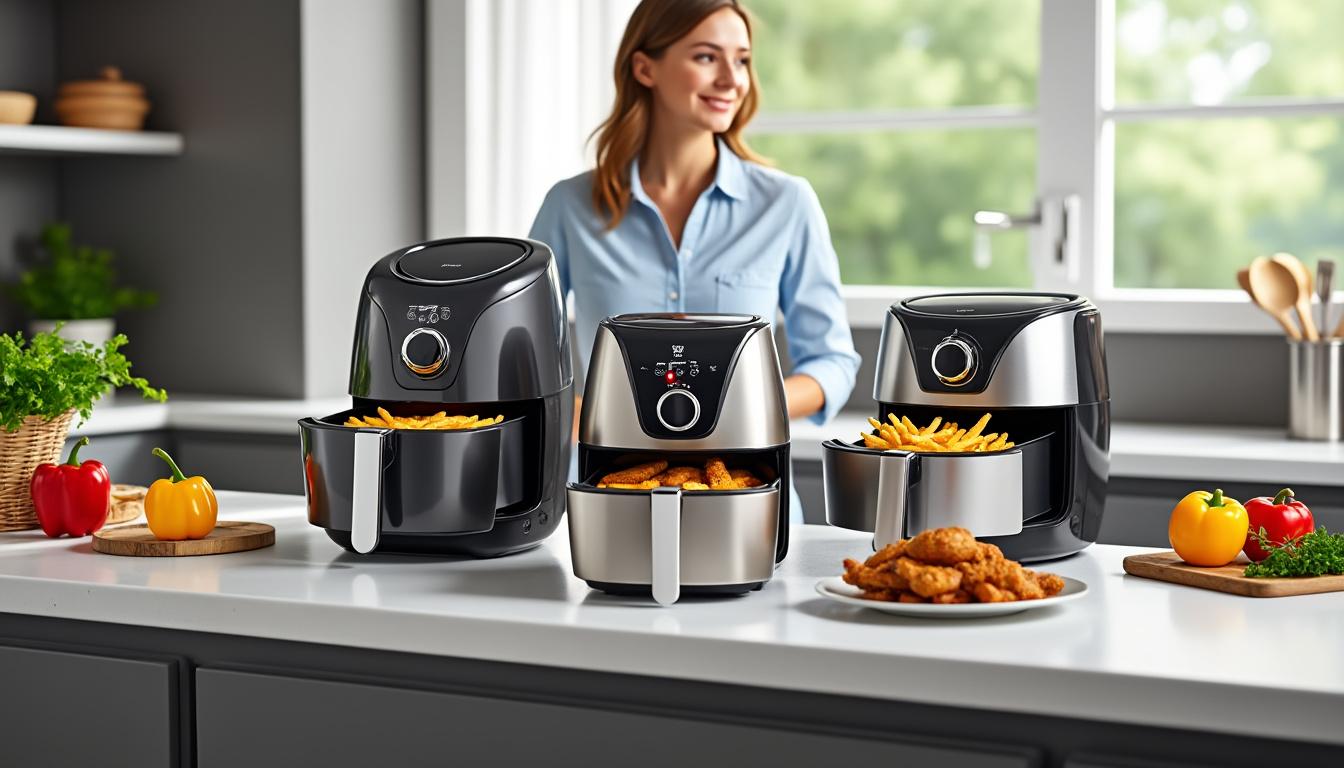
The art of crispness without the oil has reshaped home kitchens and the way meals are prepared. This piece explores the essential choices that separate an impulse purchase from a thoughtful investment in a modern cooking appliance. From households that need a compact unit for quick snacks to families seeking an oven-style machine that can roast a whole chicken, the variables of capacity, power, and functionality determine which air fryer will deliver steady, reproducible results. Practical examples illustrate real-life trade-offs: a single professional moving into a small apartment, a young couple balancing counter space and dinner portions, and a large family that values batch cooking and multi-rack capacity. The guide also connects feature sets—digital controls, preset programs, and advanced air circulation systems—to everyday outcomes like crisp skin, evenly roasted vegetables, and reliable reheating. Alongside technical considerations, the text emphasizes long-term value through brand reputation, warranty, and ease of cleaning, so choosing an air fryer becomes a decision that improves kitchen routines rather than creating clutter. Expect clear comparisons, appliance-tested criteria, and actionable buying steps designed to help readers choose the best air fryer for their needs with confidence.
- Capacity first: match quart size to household size and counter space.
- Key features: digital controls, presets, dishwasher-safe parts, and non-stick surfaces.
- Performance matters: wattage, temperature range, and airflow determine crispness.
- Type choice: basket for compact speed, oven-style for versatility.
- Value checklist: compare price, warranty, and brand support before buying.
Air Fryer Capacity and Kitchen Fit: How to Choose an Air Fryer by Household Size
Selecting an air fryer begins with an honest assessment of how many mouths will be fed on a typical evening. Capacity is the most visible specification on any product page, but the quoted volume often overstates usable space. For practical purposes, a compact machine rated at 2–4 quarts suits one or two people, while a 5–7 quart unit typically handles families of three to four. For households of five or more, an 8+-quart or oven-style model is usually required to avoid repeated batches and long waits between servings.
Practical sizing examples and real-life scenarios
Consider an urban professional who values counter space and quick reheats. A 3-quart basket air fryer provides fast preheating and is ideal for weekly leftovers or small frozen snacks. Contrast this with a household that entertains weekly: multiple racks in an oven-style air fryer can roast several trays concurrently, saving time and reducing the need to reheat.
A hypothetical family named “Maya’s household” can illustrate the choice. Maya prepares weekday dinners for four and sometimes hosts friends. A 6-quart unit lets Maya cook chicken breasts or vegetables in one batch, while an 8-quart oven-style model would make larger gatherings easier, letting multiple trays of sides and proteins cook at once.
Space considerations and countertop ergonomics
Matching capacity to available counter or storage space is essential. A bulky oven-style machine with racks might fit comfortably in a garage or pantry but could overwhelm a compact kitchen counter. For small kitchens, vertical basket models offer the best compromise: they minimize depth while offering adequate volume.
Another angle is the cookware that will be used inside. Some recipes require a small baking pan or muffin tin; verify that the air fryer’s interior dimensions accommodate these accessories to avoid disappointment.
Capacity measurement table
| Household size | Suggested capacity | Typical use cases |
|---|---|---|
| 1–2 people | 2–4 quarts | Snacks, reheating, single portions |
| 3–4 people | 5–7 quarts | Main course for family dinners, batch cooking |
| 5+ people / entertaining | 8+ quarts or oven-style | Whole chicken, multiple trays, large batches |
When choosing a unit, remember that the listed quart rating is a headline metric; usability depends on internal shape, rack design, and accessories. Test-cooking examples—such as roasting a frozen bag of fries or crisping a breaded fillet—help reveal real usable space. The key insight: align capacity to typical meal patterns, not exceptional occasions, to ensure daily convenience and fewer compromises at dinner time.
Final thought: picking the right capacity saves time and ensures consistent results every night.
Power and Performance: What Air Fryer Features Strongly Influence Results
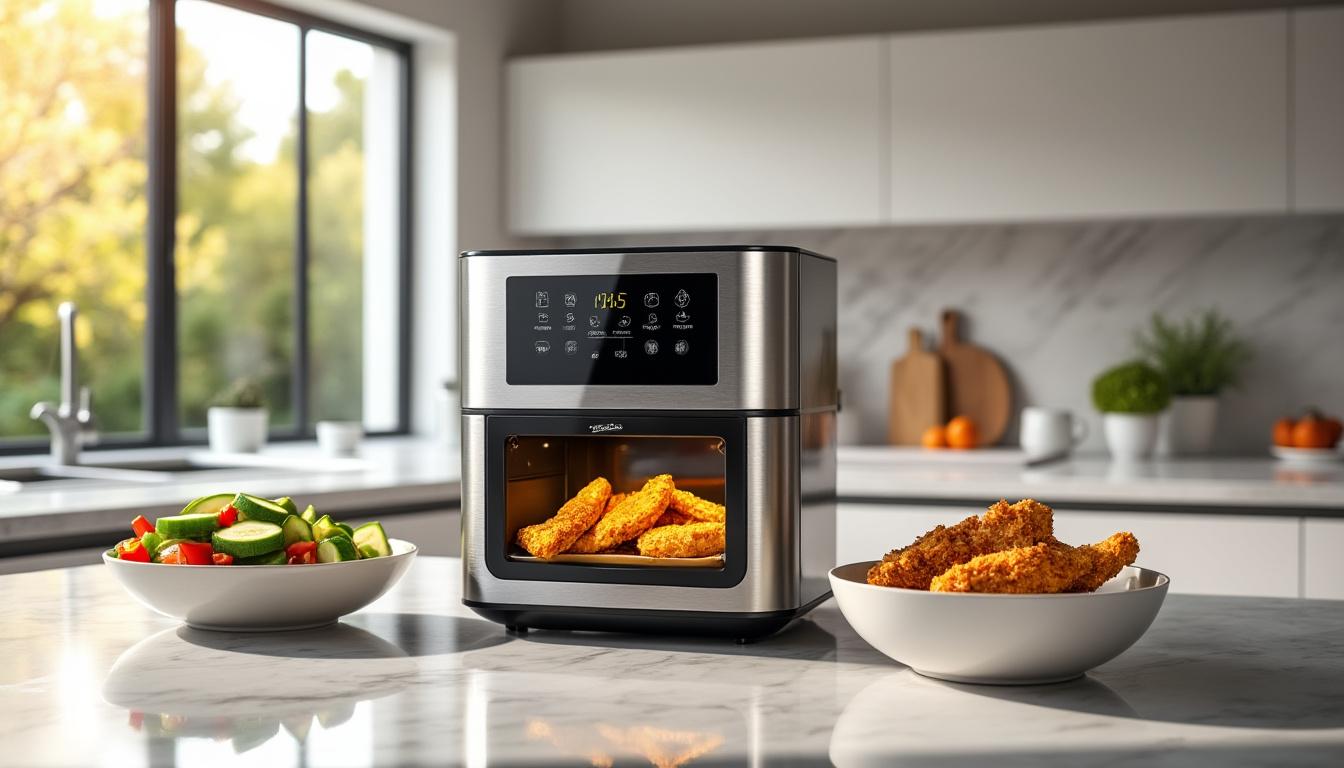
Performance in an air fryer combines raw power, heating design, and airflow engineering. Wattage—commonly in the 1500–1800W range—affects how quickly the machine reaches temperature and how evenly heat is distributed. However, wattage alone does not guarantee crispness; the location of the heating element and the quality of the fan and air circulation system matter equally.
Temperature range and control precision
A broad temperature range, typically from about 175°F to 400°F, expands recipe options from gentle dehydrating to high-heat searing. Digital controls offer finer precision and repeatable results, which benefits cooks who follow specific recipes or who want consistent reheating. Analog dials remain a cost-effective alternative, but they may lack timers and preset accuracy.
Advanced digital models often provide multiple cooking presets for common foods, along with indicators and a timer with auto-shutoff. These features add convenience, especially for busy households that need a dependable cooking appliance for quick weeknight meals.
Heating element placement and the air circulation factor
Heating elements positioned closer to the food tend to increase surface crispiness. But this advantage becomes a liability if heat is not distributed evenly. Models with well-designed fans and ducting systems achieve better convection, producing uniform browning without excessive flipping or shaking.
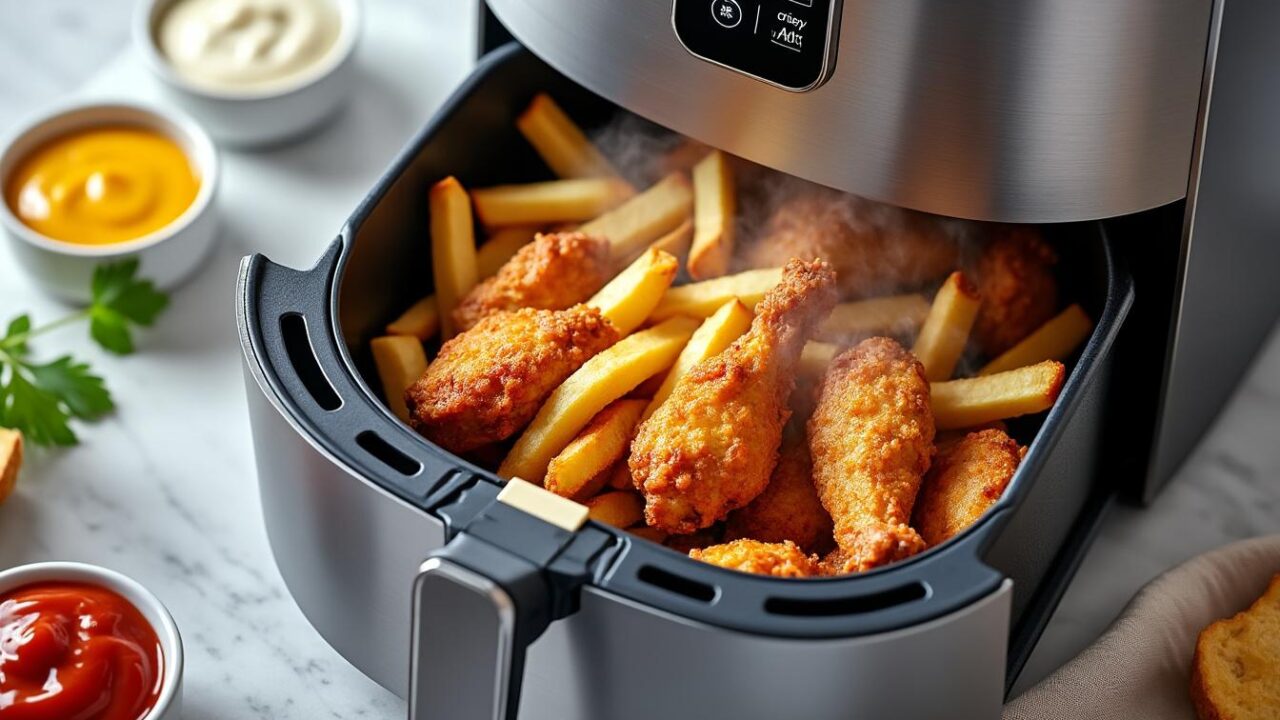
Consider an example where a model with 1700W and optimized airflow crisps frozen wings evenly in 20 minutes, while another 1800W unit with poor circulation leaves cold cores. The difference often lies in fan speed, baffle design, and how air flows around racks.
Essential features checklist
- Digital controls for precise settings and repeatability.
- Multiple presets to simplify common cooking tasks.
- Dishwasher-safe components to reduce maintenance time.
- Non-stick coating for easy food release and cleaning.
- Timer with auto-shutoff for safety and convenience.
Test labs and buyer guides emphasize the same point: consistent heat and efficient airflow are at the heart of a good air fryer. Trusted reference material, such as the RTINGS buying advice, offers measured performance data and can help compare models on airflow and cooking uniformity. For practical recommendations and detailed lab findings, see the RTINGS air fryer buying guide.
Final thought: a top-performing air fryer balances wattage with engineered airflow and sensible controls to deliver crisp, even results.
Types of Air Fryers: Basket, Tray, and Oven-Style — How to Choose Air Fryer Type
Understanding the variety of designs helps match a cooking appliance to daily needs. The two primary classes are basket-style and oven-style, with tray or rack variants occupying a middle ground. Each design has distinct operational characteristics that affect usability, cleaning, and the kinds of recipes that succeed.
Basket air fryers: speed and compactness
Basket models concentrate hot air in a relatively small chamber, which creates rapid surface browning. Their compact footprint and faster preheating make them ideal for snacks and small family meals. The trade-off is capacity and sometimes the need to shake or flip food mid-cycle to achieve even browning.
Basket units are typically easier to clean; drawers and baskets often have non-stick coatings and are dishwasher-safe. They remain popular for people who want a portable, affordable solution and value quick, consistent texture for fries, nuggets, and small cuts.
Tray and oven-style air fryers: versatility and batch cooking
Tray models use flat mesh racks or trays similar to a toaster oven and often provide multiple levels to cook several items at once. Oven-style air fryers excel at multi-dish cooking and can handle sheet pans, small baking pans, and larger roasts. However, they require more counter space and often cost more.
Toaster ovens with air-fry modes attempt to mimic the concentrated environment of basket units but sometimes struggle to achieve the same exterior crunch. Still, their larger interiors and familiar oven behavior may be preferable for cooks who already use standard ovens frequently. For comparative advice on toaster oven versus dedicated air fryers, consult the analysis available at the Consumer Reports buying guide.
Choosing by cooking style
Decide how recipes will be used. For daily reheating and rapid snacks, a basket model wins. For home bakers and entertainers, tray or oven-style machines multiply possibilities by accommodating trays and pans. Some hybrid models blur the lines with door openings and interior racks, offering the best of both worlds at a higher price.
As an example, a small catering start-up might prefer an oven-style model with multiple racks to prepare sides and proteins simultaneously, while a single professional living alone will favor a small basket unit that heats fast and is easy to stow away.
Final thought: pick the design that matches preferred cooking techniques—speed for baskets, versatility for trays and ovens.
Price, Brand Reputation, and Long-Term Value: A Buying Guide for Smart Shoppers
Price bands for air fryers generally fall into budget ($50–$100), mid-range ($100–$200), and premium ($200+). Each tier offers different trade-offs in construction, features, and longevity. Budget models may deliver acceptable performance initially but often lack long warranties and robust customer service. Mid-range devices frequently strike the best balance between features and durability.
Warranty and customer support matter
A short warranty can be an indicator of lower confidence from a manufacturer. Many models offer one to two years; a few extend coverage to three. When shopping, check for accessible replacement parts and good after-sales support. Brand reputation can be a reliable proxy: established kitchen appliances brands often provide better service and more reliable spare part availability.
Retail presence is also relevant. Brands that sell through multiple major retailers tend to have more robust distribution and support networks. Cross-referencing reviews across several sources reduces the risk of buyer’s remorse.
Popular brands and market positioning
Several brands dominate different market niches. Some are known for budget-friendly, compact units, while others specialize in feature-rich appliances. Comparing models across representative brands and reading detailed purchase guides helps clarify which product aligns with needs and budget. For additional shopping perspective, consult in-depth articles such as those on specialty sites that analyze features and fit for different buyers.
Cost-per-use and long-term value
Estimate cost-per-use by considering how often the appliance will run. Frequent usage justifies a higher upfront cost for better materials and warranty, while occasional use might favor an economical model. Also consider maintenance expenses: non-stick coating wear, replacement baskets, and filter replacements can alter the total ownership cost.
In short, balancing initial price against expected frequency of use and desired features leads to a smarter purchase. Use reviews, lab tests, and hands-on user accounts to triangulate the best buy in a crowded market.
Final thought: a considered purchase balances upfront price with expected longevity, warranty, and ongoing utility to create lasting kitchen value.
Practical Air Frying Tips, Cleaning, and Making the Most of Your Cooking Appliance
Good technique and a few practical habits turn a capable air fryer into a kitchen workhorse. Understanding how to layer ingredients, whether to preheat, and how to clean the unit prolongs its life and improves food quality. These operational details transform the appliance from a novelty into an everyday tool for healthy cooking and efficient meal prep.
Cooking techniques that improve outcomes
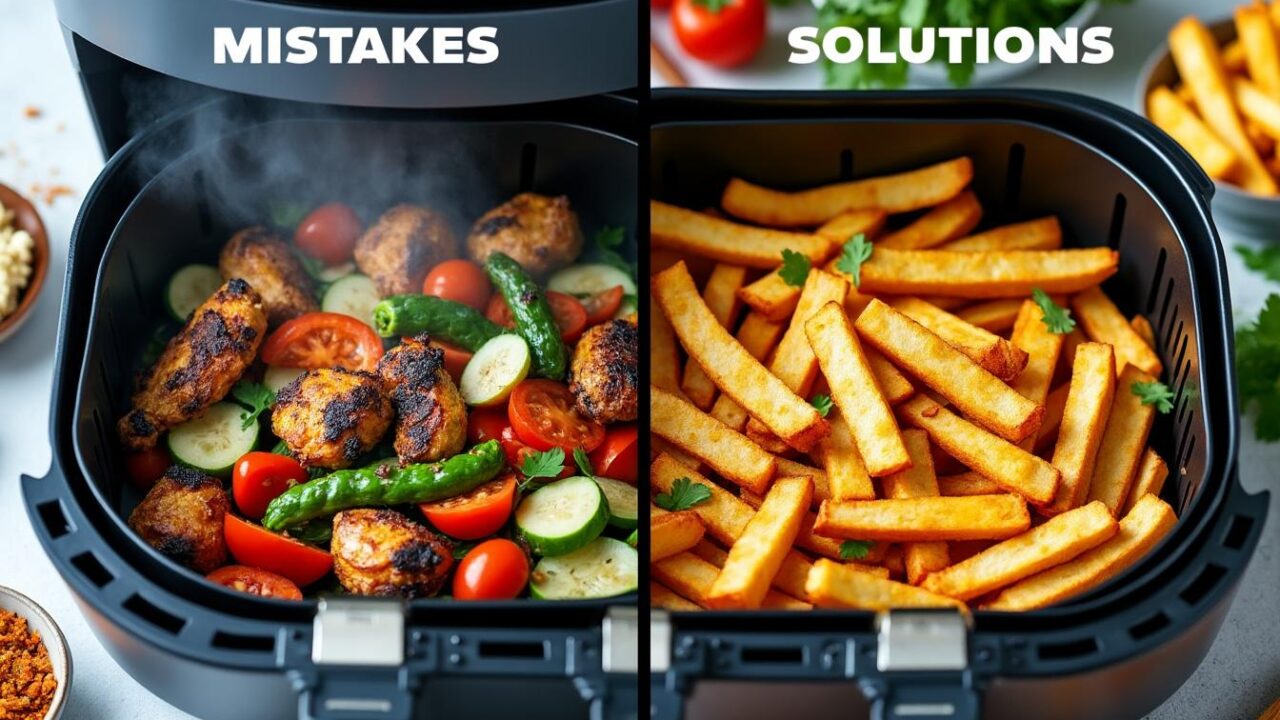
Lightly coating food with oil or using a spray helps encourage browning while preserving the advantages of air frying. Avoid overcrowding: leaving space around items allows hot air to circulate and eliminates soggy patches. For mixed trays, consider staggered cooking times or using multiple racks if available to avoid uneven doneness.
Preheating can be crucial for achieving rapid surface crisping. Many recipes benefit from a brief preheat of two to five minutes, depending on the model’s power. For reheating, air fryers recover texture faster than ovens because of focused heat circulation, making them ideal for restoring crispness to pizza or fries.
Cleaning and maintenance tips
Frequent cleaning prevents smoke and off-odors. Remove crumbs and grease after each use, and run dishwasher-safe components through a cycle where applicable. For stubborn residue, soak baskets in warm soapy water or use a non-abrasive brush to protect non-stick coatings.
Noise level is another practical consideration. Fans generate varying sound levels; for open-plan living spaces where silence matters, compare sound measurements in products’ specifications or test reports when possible.
Advanced uses and maximizing versatility
Air fryers can do more than crisp fries. They roast vegetables, bake small desserts, dehydrate herbs, and even broil when used with higher temperatures. Creative cooks use accessory pans and racks to expand possibilities, turning a single appliance into a multi-function cooking station that saves space and energy.
For additional advice on using and choosing air fryers, explore practical tutorials and recipe resources available online to expand skills and discover new applications for this versatile tool. For a broader selection of how-to articles and guides, check community-driven resources that compile tips and tested recipes.
Final thought: combining correct technique with routine maintenance unlocks the full potential of an air fryer as a reliable, healthy-cooking companion.
{“@context”:”https://schema.org”,”@type”:”FAQPage”,”mainEntity”:[{“@type”:”Question”,”name”:”What size air fryer do I actually need for a family of four?”,”acceptedAnswer”:{“@type”:”Answer”,”text”:”For most families of four, a 5u20137 quart unit provides sufficient capacity for dinners without excessive batching. If entertaining is frequent, consider an 8+ quart or oven-style model to cook multiple dishes at once.”}},{“@type”:”Question”,”name”:”Are premium air fryers significantly better than budget models?”,”acceptedAnswer”:{“@type”:”Answer”,”text”:”Premium models often provide better materials, more consistent airflow, and longer warranties. However, many mid-range units deliver excellent performance; match features to cooking habits rather than assuming higher price always equals better results.”}},{“@type”:”Question”,”name”:”How important are presets and digital controls?”,”acceptedAnswer”:{“@type”:”Answer”,”text”:”Presets and precise digital controls improve repeatability and convenience, especially for cooks who value quick, predictable results. Analog units can still perform well but may lack timers and preset fine-tuning.”}},{“@type”:”Question”,”name”:”Can an air fryer replace a toaster oven?”,”acceptedAnswer”:{“@type”:”Answer”,”text”:”An air fryer excels at concentrated crisping and speed, while toaster ovens offer larger capacity and baking familiarity. For many kitchens, one complements the other; hybrids exist for those seeking a compromise.”}}]}What size air fryer do I actually need for a family of four?
For most families of four, a 5–7 quart unit provides sufficient capacity for dinners without excessive batching. If entertaining is frequent, consider an 8+ quart or oven-style model to cook multiple dishes at once.
Are premium air fryers significantly better than budget models?
Premium models often provide better materials, more consistent airflow, and longer warranties. However, many mid-range units deliver excellent performance; match features to cooking habits rather than assuming higher price always equals better results.
How important are presets and digital controls?
Presets and precise digital controls improve repeatability and convenience, especially for cooks who value quick, predictable results. Analog units can still perform well but may lack timers and preset fine-tuning.
Can an air fryer replace a toaster oven?
An air fryer excels at concentrated crisping and speed, while toaster ovens offer larger capacity and baking familiarity. For many kitchens, one complements the other; hybrids exist for those seeking a compromise.