
How to upgrade your air fryer skills with advanced techniques and hacks
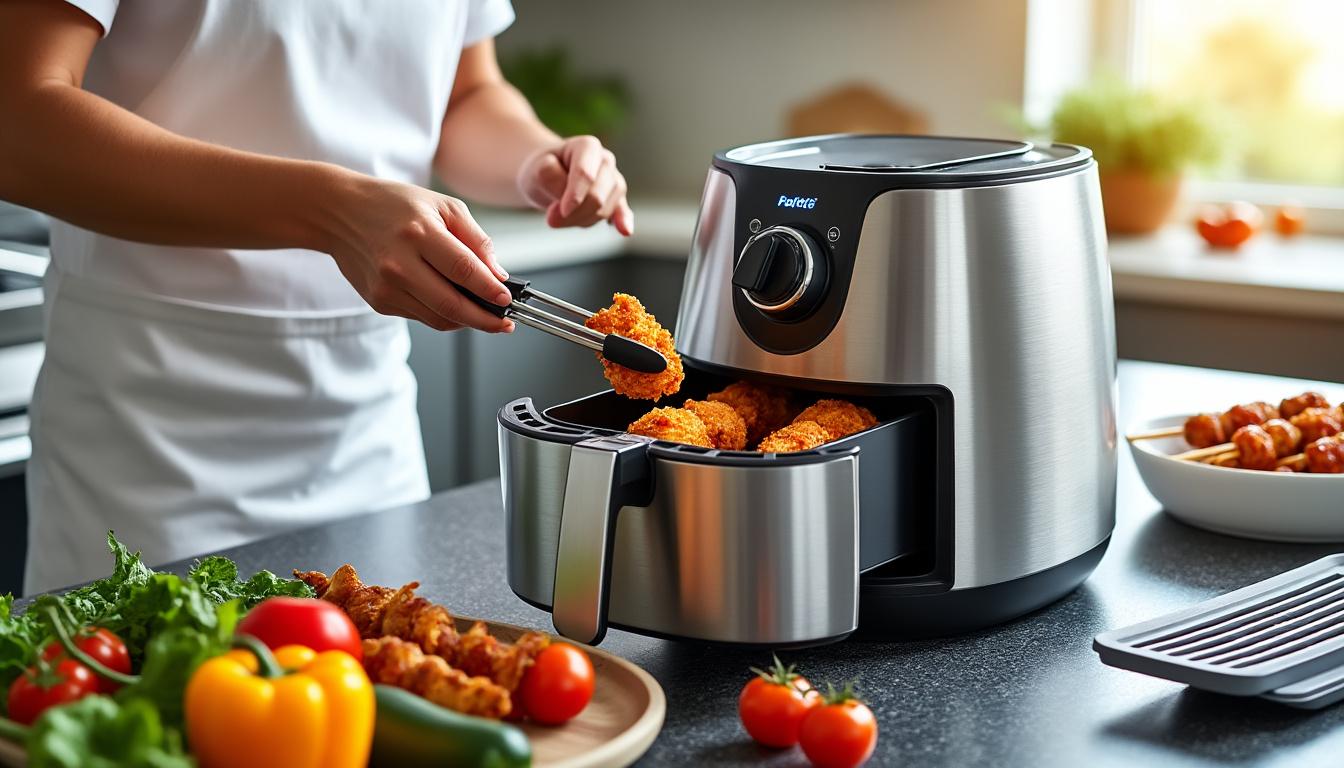
Air fryers have become indispensable kitchen appliances for cooks seeking speed, health, and a reliably crispy texture. This feature explores practical ways to upgrade culinary practice by honing skills, adopting advanced techniques and applying smart hacks that transform everyday recipes. Through concrete examples, a recurring character—Marin, the owner of a small urban bistro called Urban Crisp—illustrates how thoughtful choices in temperature control, layering and recipe innovation can turn a compact appliance into a versatile, professional tool. The following sections unpack fundamentals, temperature strategies, creative recipe ideas, maintenance routines and pro workflows, each offering specific cooking tips and case studies aimed at cooks who want more than simple frozen snacks.
- Master basic habits: preheat, space ingredients, and use light oil sprays for better crisping.
- Control temperature precisely: lower-than-oven temperatures and faster times create superior results.
- Use layering and accessories: racks, perforated parchment and small pans expand possibilities.
- Prioritize maintenance: regular cleaning prevents smoke and preserves performance.
- Scale recipes with intent: meal prep and multi-batch scheduling minimize time and maximize output.
Essential Air Fryer Foundations to Upgrade Your Skills with Advanced Techniques
The path to upgrading air fryer skills begins with a firm grasp of the appliance’s mechanics and the choices that influence results. The fan-assisted convection design emphasizes rapid hot-air circulation, which means temperature control and spacing are more important than with a static oven. Selecting the right unit, understanding capacity, and investing in a few compatible accessories are foundational steps before experimenting with advanced techniques.
Choosing capacity and model for consistent outcomes
Models vary widely: compact single-serving baskets, mid-sized 4–5 quart options, and larger family or multi-drawer units. For a household that plans to cook whole proteins or batch sides, a 5-quart or larger model reduces the need for repeated batches. Marin, at Urban Crisp, invested in a mid-size multi-rack unit to balance daily menu variety with limited counter space. That choice made it possible to cook mains and sides simultaneously without crowding the basket.
Preheat, airflow, and accessories that upgrade results
Preheating for about 3–5 minutes creates an immediate sear as food hits the hot environment, improving the final texture. Accessories such as a raised rack, silicone molds, and perforated parchment permit more controlled heat exposure and make the appliance multi-functional. A reusable oil mister ensures a thin, even coating of high-smoke-point oil, promoting browning without excess fat.
Foundational cooking tips and a case study
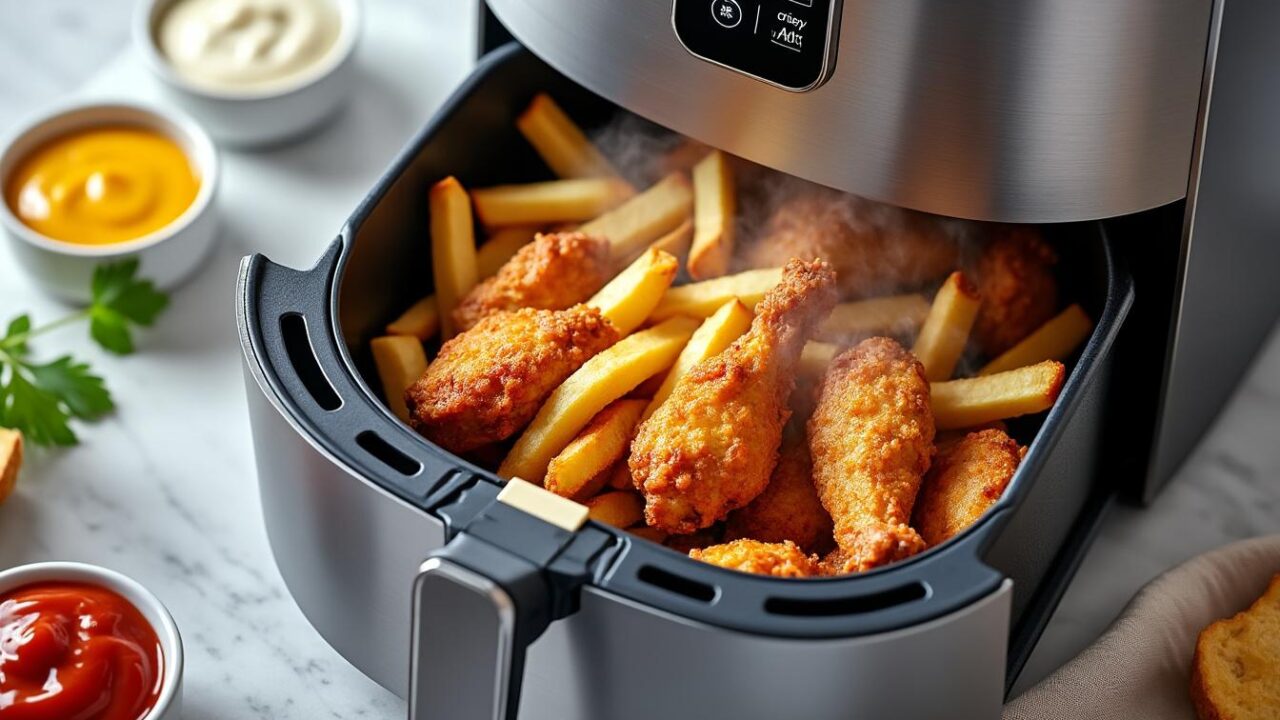
A simple case proves the method: for fries, Marin par-cooks potato wedges in boiling water for three minutes to reduce internal moisture. After drying, a light oil spray and a 375°F run for roughly 18 minutes with a shake halfway produced fries with a crisp surface and tender interior. This sequential approach—blanching, drying, and air frying—illustrates how small pre-steps dramatically alter texture.
Understanding how the air fryer reacts differently from an oven is the first true upgrade in one’s skill set. This knowledge prevents common pitfalls such as overcrowding or over-oiling and forms the basis for applying the advanced techniques found in subsequent sections.
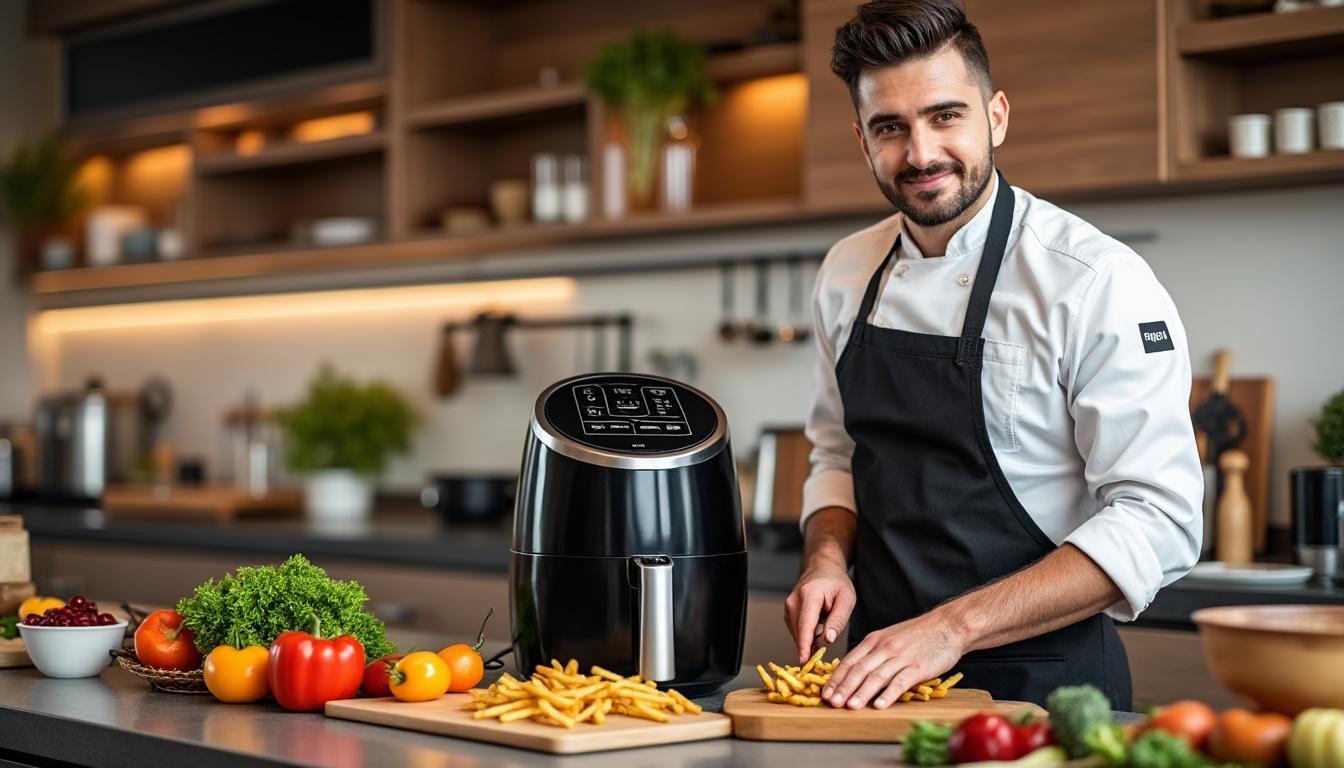
Advanced Techniques for Temperature Control and Achieving Crispy Texture
Temperature management is the heart of advanced air fryer technique. Air fryers often cook faster than conventional ovens due to concentrated circulating heat; this requires temperature adjustments and closer monitoring. Learning how to modulate both temperature and time leads to consistent crispy texture and prevents burning or dryness.
Understanding heat zones and setting precise temperatures
Air fryers vary in how they distribute heat: some concentrate heat toward the top element while others provide more even circulation. A practical approach is to test with an instant-read thermometer and note how a chosen model performs at 350°F, 375°F, and 400°F. Marin mapped his machine across common proteins and vegetables, recording ideal temperatures and times. That log became a quick reference during service, reducing guesswork and waste.
Using staggered temperature profiles
For thicker proteins, employ a two-stage cook: start at a moderate temperature to bring the core to near-done, then finish at a higher temperature to caramelize and crisp the exterior. Example: pork chops begin at 350°F for internal heating, then finish two minutes at 400°F for a glossy, browned crust. This method preserves juiciness while maximizing surface crisping.
Practical table: temperature and timing for common items
| Food | Temperature (°F) | Typical Time | Tip |
|---|---|---|---|
| Skin-on chicken thighs | 380 | 20–25 min | Start skin-side up; finish skin-side down for even crisp |
| Hand-cut fries | 375 | 16–22 min | Shake every 5 min; use light oil spray |
| Salmon fillet | 375 | 8–10 min | Use a perforated parchment and remove skin for crisp edges |
| Vegetable medley | 370 | 12–18 min | Cut uniform pieces; toss halfway |
Managing moisture and oil for ultimate crisp
Excess surface moisture prevents browning. Pat proteins and vegetables thoroughly; consider a short air-dry period after salting to draw moisture out. A barely-there coating of oil—applied with a mister—ensures the Maillard reaction without clogging the basket. Avoid aerosol sprays with propellants that can degrade nonstick coatings.
These targeted techniques form the backbone of advanced temperature control, enabling cooks to consistently produce golden, crunchy results across a wide range of recipes. Integrating precise temperature management into daily practice is a decisive step in upgrading air fryer skills.
Creative Hacks and Recipe Innovation to Expand Air Fryer Use
Beyond fries and wings, the air fryer excels at recipe innovation. Using it as a compact convection oven invites experimentation: small cakes, roasted nuts, dehydrated snacks, and even crisped delicate items like tempura vegetables. These creative hacks expand menu options and challenge conventional uses for the appliance.
Reheating and transforming leftovers
One of the most underused benefits is the air fryer’s ability to revive leftovers. Pizza, fried chicken, and battered items regain crunch and integrity in a few minutes at 350°F. Urban Crisp’s menu often featured a “revive” special where yesterday’s roasted veg was refreshed and served atop salad, demonstrating inexpensive menu innovation that reduced waste and delighted customers.
Baking, toasting and dehydrating
Small-batch baking—muffins, single-serving brownies, or biscuits—works well with silicone molds and ramekins. Low-and-slow settings (around 200°F) dehydrate fruits and herbs efficiently. For those seeking inspiration, a curated set of tricks and starter recipes can help: a compilation of practical steps can be found in a clear guide on must-know air fryer tips.
Specific hacks to try at home
- Use perforated parchment to prevent sticking while maintaining airflow.
- Toast nuts at 300°F for 3–5 minutes with a single shake.
- Air-fry bacon in a single layer for 8–10 minutes at 375°F for crispness without splatter.
- Create foil packets for fish and delicate veg to lock steam while allowing some circulation.
- Make single-serving desserts using chilled biscuit dough or batter in ramekins.
For cooks looking to broaden their repertoire, curated hack lists and step-by-step guides provide a launchpad. Those wanting a broader survey of high-impact tricks can explore resources like an aggregated list of revolutionary ideas at air fryer hacks that are a total game changer.
Embracing playful experimentation and systematic note-taking turns occasional creativity into repeatable recipe innovation, a hallmark of advanced practitioners.
Cleaning, Maintenance, and Troubleshooting to Extend Air Fryer Lifespan
Proper care is essential to keep the appliance performing at peak capacity. Regular cleaning not only prevents unpleasant odors and smoke but also preserves the nonstick surfaces and heating elements necessary for consistent results. Well-maintained appliances deliver predictable temperature control and a longer service life.
Routine cleaning and best practices
After each use, allow the unit to cool, then remove the basket and tray for washing with warm, soapy water. Non-abrasive sponges protect coatings. A baking-soda paste dislodges stubborn residue without harsh chemicals. For an in-depth approach to longevity, a full maintenance workflow is available at a practical guide that explains cleaning steps and frequency to follow: clean and maintain your air fryer.
Troubleshooting common issues and fixes
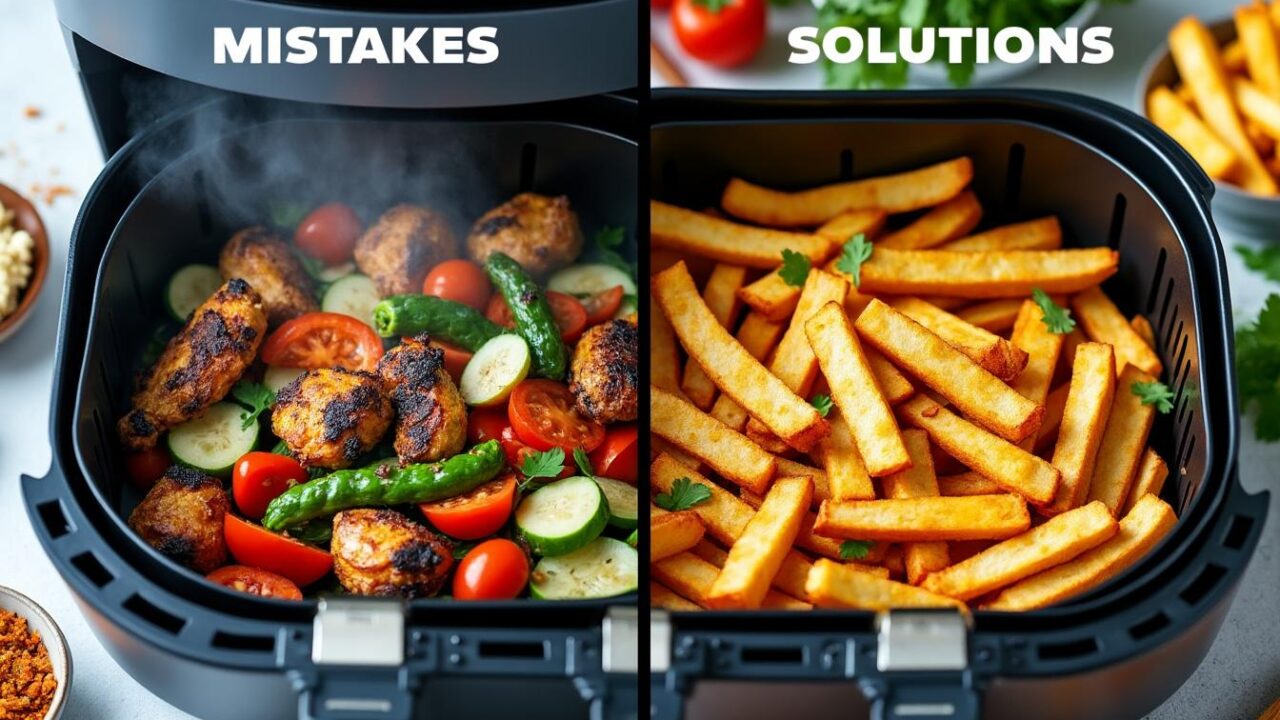
Smoke typically signals excess oil or food debris on the heating element. Remove the basket and wipe the element carefully. Uneven cooking often traces back to overcrowding—space items in a single layer or cook multiple batches. If the unit won’t power on, check connections and consult the manual before seeking repair. A specific troubleshooting dossier on uneven cooking and smoke remediation provides stepwise solutions: how to fix air fryer smoke issues effectively.
Marin’s routine at Urban Crisp included a nightly wipe-down and a weekly deep clean, preventing the smoky interruptions that can derail a service rush. Proper storage—dry and ventilated—also reduces the risk of corrosion or retained odors. Consistent maintenance is as much a part of upgrading skills as mastering cook times: a clean appliance is a reliable one.
Keeping the air fryer well-tended removes barriers to experimentation and ensures that every advanced technique performs as intended.
Pro-Level Workflow: Meal Prep, Layering, and Scaling Up Your Air Fryer Skills
Scaling air fryer use into a workflow requires efficiency tactics that preserve quality while increasing throughput. Meal prepping, use of dividers, and clever scheduling prevent downtime and enable multiple dishes to be produced with consistent outcomes.
Layering, racks, and multi-dish strategies
Multi-layer racks permit simultaneous cooking of items that require different exposure, such as finishing proteins on the top rack while roasting denser vegetables below. Keep flavor profiles compatible to avoid unintended cross-tasting. Marin used a simple rule: pair stronger-seasoned items together and reserve milder foods on separate runs.
Batch cooking and reheating protocol
Batch-cooking proteins and refrigerating in single-portion containers streamlines service. Reheat at 350°F for a few minutes to restore crispness, rather than microwaving which softens textures. For systematic rehearsal of timing and yield, templates and checklists reduce mistakes during busy periods.
Professional tips that refine the craft
- Document times and temperature profiles for each menu item to remove guesswork.
- Warm plates briefly in the residual heat to maintain serving temperature.
- Prioritize uniform cuts and consistent coating thickness for predictable outcomes.
- Rotate batches when scaling to compensate for gradual heat changes during continuous use.
- Use light glazes or final sprays just after cooking to preserve crispness and add shine.
Further advanced guidance and curated pro tips for achieving reliable crispy results are discussed in specialist collections like the guide to the best air fryer cooking tips for crispy results and practical resources on air fryer tips and guides. Combining these resources with methodical practice turns sporadic wins into repeatable mastery and supports true recipe innovation at scale.
Adopting a pro-level workflow lets cooks treat the air fryer as more than a gadget: it becomes a reliable extension of culinary technique, suitable for busy home kitchens and small food businesses alike. The final insight is clear: systemizing processes is the most effective upgrade for long-term skill growth.
{“@context”:”https://schema.org”,”@type”:”FAQPage”,”mainEntity”:[{“@type”:”Question”,”name”:”How important is preheating an air fryer?”,”acceptedAnswer”:{“@type”:”Answer”,”text”:”Preheating for 3u20135 minutes creates immediate surface heat, improving searing and reducing total cook time. It is particularly helpful for achieving a consistent crispy texture on proteins and fries.”}},{“@type”:”Question”,”name”:”Can desserts be baked in an air fryer?”,”acceptedAnswer”:{“@type”:”Answer”,”text”:”Yes. Use silicone molds or small pans, lower temperatures compared to standard ovens, and monitor closely; the appliance functions like a compact convection oven ideal for single-serve cakes and cookies.”}},{“@type”:”Question”,”name”:”What causes smoke and how can it be prevented?”,”acceptedAnswer”:{“@type”:”Answer”,”text”:”Smoke often results from excess oil or food debris on the heating element. Prevent it by draining fatty foods, wiping the element regularly, and using trays or foil to catch drips.”}},{“@type”:”Question”,”name”:”How can meal prep be optimized with an air fryer?”,”acceptedAnswer”:{“@type”:”Answer”,”text”:”Batch-cook proteins and vegetables, cool and portion them into single-serve containers, and reheat briefly at 350u00b0F to restore crispness. Use racks and dividers to cook compatible items together and streamline service.”}}]}How important is preheating an air fryer?
Preheating for 3–5 minutes creates immediate surface heat, improving searing and reducing total cook time. It is particularly helpful for achieving a consistent crispy texture on proteins and fries.
Can desserts be baked in an air fryer?
Yes. Use silicone molds or small pans, lower temperatures compared to standard ovens, and monitor closely; the appliance functions like a compact convection oven ideal for single-serve cakes and cookies.
What causes smoke and how can it be prevented?
Smoke often results from excess oil or food debris on the heating element. Prevent it by draining fatty foods, wiping the element regularly, and using trays or foil to catch drips.
How can meal prep be optimized with an air fryer?
Batch-cook proteins and vegetables, cool and portion them into single-serve containers, and reheat briefly at 350°F to restore crispness. Use racks and dividers to cook compatible items together and streamline service.