
Best air fryer hacks to save time and energy in your kitchen
The air fryer has matured into a central appliance for modern kitchens, a compact powerhouse that trims cooking time and household energy use while delivering crisp textures often associated with deep frying. This piece examines practical, creative kitchen hacks and actionable cooking tips that turn an air fryer into a multi-tasking partner for busy households and small food businesses. Readers will find methods to speed up meal prep, reuse leftovers with renewed texture, roast and dehydrate produce, and adopt maintenance routines that preserve performance and safety. Emphasis rests on time-saving approaches and measurable energy efficiency, with examples that fit weeknight routines, brunch shifts at a neighborhood café, or weekend batch-cooking sessions. Throughout, a fictional small café—Green Spoon—serves as a recurring example, illustrating how an operator balances volume, speed, and quality using a single air fryer as a dependable kitchen gadget.
- Smart preheat and batch timing reduce total cook time for small-plate menus.
- Minimal oil techniques maintain crispness while supporting healthy cooking goals.
- Accessory strategies expand capability: bake, dehydrate, proof and roast without an oven.
- Maintenance rituals extend appliance life and preserve energy performance.
- Meal prep templates for quick meals and reheating that retain texture and flavor.
Air Fryer Time-Saving Kitchen Hacks for Quick Meals and Meal Prep
Busy kitchens prize appliances that shave minutes from each task, and the air fryer is uniquely suited to that goal. Because the unit heats and circulates hot air rapidly in a compact cavity, it reaches cooking temperatures in a fraction of the time required by a conventional oven; the practical outcome is quick meals that still present crisp exteriors and tender interiors. This section focuses on workflow adjustments and simple tricks that save minutes and permit consistent results across batches.
Preheating and staging for speed
Preheat the air fryer for about three to five minutes at the intended cooking temperature before loading. This practice mimics oven behavior but on a compressed timescale and ensures that fragile items start crisping immediately rather than steaming during a slow warm-up. In a café setting such as Green Spoon, preheating the fryer for a few minutes while assembling orders means orders are ready faster without sacrificing texture.
Batch-cooking without losing time
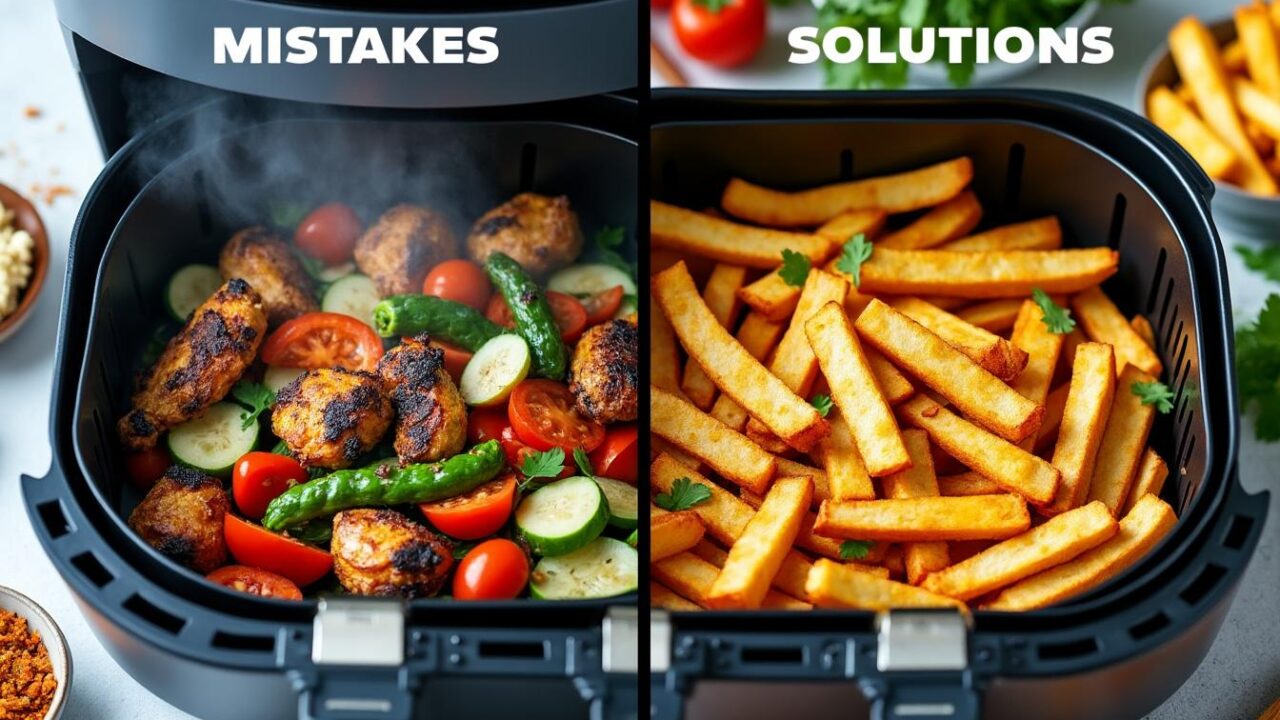
Cooking smaller quantities per basket preserves airflow and yields even browning. Instead of shoving in one overloaded basket and expecting a uniform result, divide large orders into two or three quick cycles. While a first batch cooks, assemble sauces, plate garnishes, or warm side dishes. This parallelism often produces a total turnaround equal to or faster than cooking everything at once in an oven because the air fryer’s shorter cycle times offset the need for multiple batches.
Frozen foods and quick defrost hacks
Frozen items can often be cooked straight from frozen with slightly longer times and a reliable meat thermometer to confirm safe internal temperatures. For mixed frozen vegetable packages, thawing briefly and patting dry reduces sogginess and helps the steam escape faster, resulting in crisper edges. Alternatively, for quick midweek dinners, use the fryer to revive frozen fries or nuggets in less time than a preheated conventional oven would take.
Practical meal-prep templates
Create a short library of templates: proteins at 375°F for 12–20 minutes (depending on cut and size), root vegetables at 380°F for 15–25 minutes, delicate baked goods at 350°F for 5–10 minutes. Label these templates and log slight time adjustments based on load and accessory use. These templates reduce decision time during chaotic shifts and align with energy-saving cooking by minimizing trial-and-error cycles.
In-kitchen example — Green Spoon
At Green Spoon, a mid-sized café operating busy morning and lunch shifts, staff use a single air fryer to produce both crisp breakfast items and afternoon snacks. When demand spikes, a short preheat and two-quick-batch strategy replaces the need for a full oven, allowing the café to serve a lineup of quick meals without adding to utility load. The staff also keeps a checklist of settings for common menu items so new employees can maintain consistent quality within minutes of starting a shift.
Adopting these time-saving patterns turns the air fryer into a central scheduling tool, not just a cooking device. This operational shift empowers faster service and supports predictable timing for both home cooks and professional teams—an ideal lead-in to energy-focused practices in the next section.
Key insight: small procedural shifts—preheat, batching, and template use—compound into major time savings without compromising quality.
Energy Efficiency and Healthy Cooking Strategies with an Air Fryer
Switching to an air fryer can be framed as both a culinary and an environmental decision. Because air fryers heat smaller volumes and cook faster, they typically use less energy for the same portion sizes compared with full-size ovens. In an era where households and small businesses seek energy efficiency to reduce costs and footprint, a compact appliance that supports healthy cooking becomes highly attractive.
Why air fryers compare favorably on energy use
For single-dish or small-batch cooking, an air fryer reaches target temperatures more quickly and maintains them with lower absolute energy demand. Rather than heating an entire oven cavity and multiple racks, the air fryer concentrates heat around the food. Operationally, that translates into quicker cycles and lower cumulative watt-hours for small menus. In practical terms, the average home that swaps several oven-only tasks to an air fryer can see noticeable electricity reductions over a month, particularly in mixed cooking households that prepare frequent small meals.
Less oil, more nutrition
One prominent hallmark of health-focused air frying is the drastic reduction in required oil. Light brushing or an oil sprayer suffices to create a Maillard crust instead of deep immersion. This yields foods that preserve flavor and mouthfeel but with fewer calories from fat. For families aiming to integrate more vegetables, the air fryer crisps Brussels sprouts, kale chips, and zucchini chips with minimal oil, making plant-forward dishes more appealing.
Practical tips for energy-smart, healthy cooking
Adopt these habits: preheat for minimal time; group similar-temp items into the same batch; use silicone molds for egg bites or mini casseroles, which cook quickly and reduce reheating events; prefer wet rubs for proteins to retain seasonings during high airflow cooking. These measures save energy and deliver consistent results while supporting healthier ingredient selections.
For those expanding their skillset, resources on proven techniques can accelerate the learning curve and reinforce energy-aware routines. Practical guides and lists of proven approaches offer a useful library of kitchen hacks tailored to both novices and experienced cooks, such as consolidated advice available from specialist sites that compile proven methods and optimized recipes for air fryers. For example, a curated collection of top tips outlines step-by-step changes that improve crispness while conserving energy, and an expert roundup highlights advanced hacks for home and small professional kitchens: trusted air fryer tips and hacks and advanced air fryer hacks.
As energy costs and sustainability goals remain central concerns in 2026 kitchens, the air fryer stands out as a pragmatic device for households and small operators seeking measurable gains in both energy efficiency and culinary outcomes.
Key insight: pairing minimal-oil cooking with focused batch strategies yields dual benefits: better nutrition and lower energy consumption.
Meal Reheating, Snacks and Storage: Practical Cooking Tips for Everyday Use
Reheating is an often-overlooked domain where an air fryer outperforms microwaves and soggy oven revivals. The appliance restores texture by re-crisping coatings and reviving toasted edges without drying the interior. This section catalogs reliable methods for commonly reheated items, snack hacks, and storage protocols that preserve quality and ease of service.
Reheat like a pro
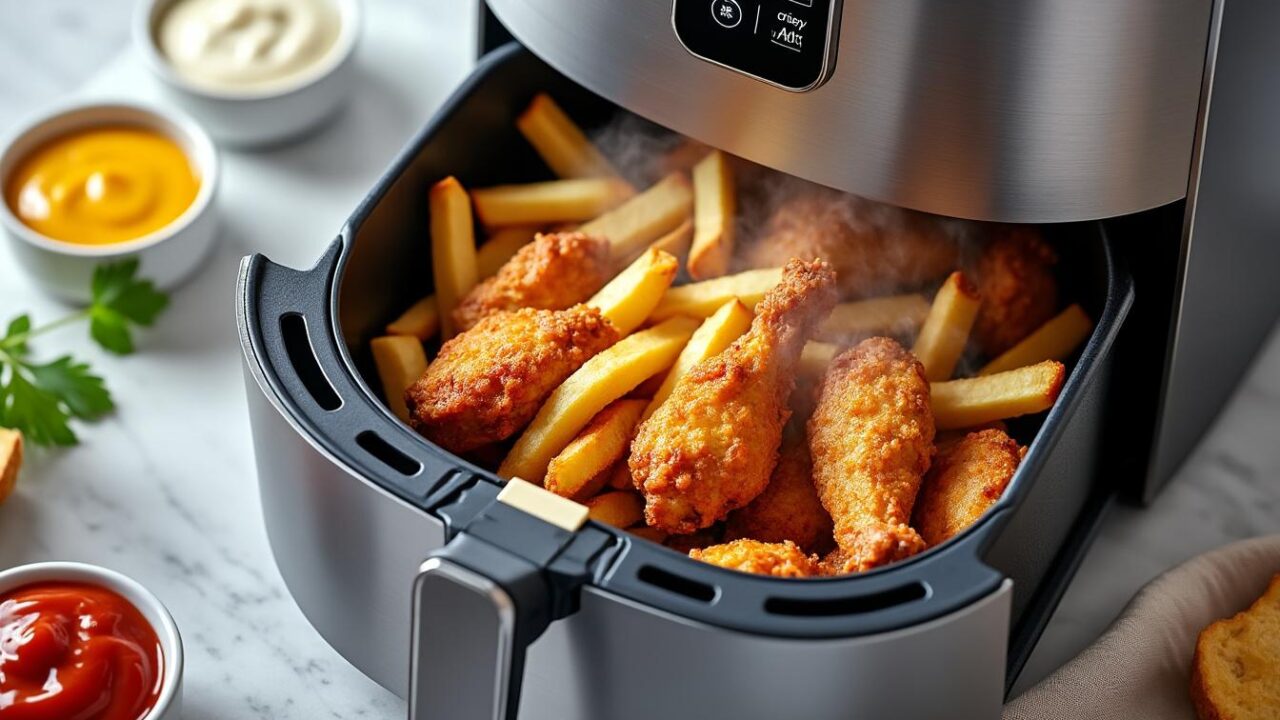
Reheating pizza, fries, or roasted vegetables in an air fryer at around 350°F for a few minutes brings back the desirable crunch. For breaded items, a short re-crisp at 375–400°F is effective; monitor closely to prevent over-browning. The air fryer’s dry, circulating heat re-establishes the contrast between exterior and interior, which a microwave often flattens.
Snack and small-batch solutions
Homemade chips, roasted nuts, and dehydrated fruits become pantry staples when prepared in an air fryer. Thinly sliced potatoes or sweet potatoes tossed with minimal oil yield crisp chips in 12–18 minutes at 375°F, shaken periodically for evenness. Roasted nuts at 320°F for 5–10 minutes deliver toasted aromatics with controlled salt and seasoning. Dehydrating at low temperatures produces long-lasting, preservative-free snacks. These approaches support healthier snacking while reducing reliance on packaged goods.
Smart storage and reheating workflow
When meal-prepping, cool items quickly and store in single-layer containers to avoid sogginess. Label containers with recommended reheat settings that align with air fryer templates. For busy households and small operations, a sheet of reheat instructions taped to the freezer door saves time and prevents unnecessary energy use from repeated reheating attempts.
Useful list of quick reheating settings
- Pizza slices: 350°F for 3–5 minutes
- French fries: 375°F for 5–7 minutes
- Chicken tenders: 380°F for 6–8 minutes
- Roasted vegetables: 375°F for 4–6 minutes
- Bacon strips: 350°F for 4–6 minutes
Time-and-energy comparison table
| Item | Air Fryer Temp | Typical Time | Relative Energy Use vs Oven |
|---|---|---|---|
| Frozen fries | 380°F | 12–15 min | ~20–30% less |
| Bacon strips | 350°F | 8–12 min | ~25% less |
| Chicken wings | 400°F | 20–25 min | ~20% less |
| Cookies (small batch) | 350°F | 5–8 min | ~30–40% less |
These figures are approximate and depend on model, load size, and local energy sources, but they provide a practical framing for decisions around meal prep and reheating. For specific tips on maximizing crispness and avoiding soggy reheats, dedicated walkthroughs offer step-by-step adjustments and are especially useful for cooks progressing beyond basics. Practical guides that focus on crisp techniques and reheating strategies can quickly elevate everyday meals: best air fryer cooking tips for crispy results.
Adopting these reheating and storage habits reduces food waste, speeds service, and improves plate quality across the week. The next section expands on accessories and advanced techniques that unlock even more easy recipes and functions.
Key insight: a consistent reheating toolkit paired with labeled templates saves time and preserves texture far better than a microwave or repeated oven cycles.
Advanced Techniques, Accessories and Easy Recipes to Expand Capability
Beyond straightforward frying, a modern air fryer excels at baking, proofing, dehydrating, and roasting when used with the right accessories. This section outlines accessories worth investing in, advanced techniques that improve outcomes, and a selection of easy recipes that illustrate how versatile the device can be for everyday and creative cooking.
Accessories that unlock new functions
Investing in a few well-chosen accessories broadens the air fryer’s repertoire. Silicone molds create egg bites, mini-quiches, and individual desserts. A baking pan or small oven-safe dish allows layering for mac and cheese or mini-casseroles. Skewers and multi-rack inserts enable kabobs or multi-level roasting. For safety and handling, keep a pair of small silicone mitts and precision tongs on hand.
Technique: wet rubs, mid-cook oil spritz, and toothpicks
Wet rubs adhere better under strong airflow than dry seasonings, preserving flavor during high-velocity cooking. When crispness needs a boost, a light mid-cook spritz of oil enhances caramelization without heavy added fat. To prevent light toppings or slices of cheese from blowing off in the fryer, secure them with a toothpick—a small, practical hack for layered items.
Easy recipes to try
Try a lineup of approachable, repeatable recipes: air fryer grilled cheese (buttered bread, 370°F for 5 minutes), bacon-wrapped asparagus (400°F for 10 minutes), and baked donuts from refrigerated biscuit dough (350°F for 5 minutes, then glaze). These examples demonstrate how the air fryer handles both savory and sweet tasks. For cooks seeking a regimen of compact recipes and inspiration, curated collections present practical one-pan and multi-course ideas to compress kitchen effort while maintaining variety: advanced air fryer techniques and hacks.
Dehydrate, proof, and bake
Low-temp settings allow the appliance to function as a dehydrator for fruits and herbs. Some models offer proof settings for dough, which can simplify bread-making by keeping the environment warm and slightly humid during rise. When baking, monitor times; the air fryer’s small chamber tends to shorten bake times by about 15–25% compared to large ovens, so adjust accordingly.
With accessories and technique, the air fryer becomes a compact convection oven, capable of producing a surprisingly broad spectrum of easy recipes suitable for weeknight dinners, brunch, and small-party service. This range sets up the practical safety and maintenance practices that will maximize longevity and reliability.
Key insight: a modest investment in accessories and disciplined technique dramatically multiplies the number of reliable, time-saving recipes achievable in the air fryer.
Maintenance, Safety and Smart Habits for Long-Lasting Performance
Long-term performance depends on a mix of good habits: consistent cleaning, avoiding abrasive sprays, correct placement, and careful handling of accessories. This final operational section covers safety and maintenance guidance that preserves nonstick coatings, prevents smoke, and maintains efficient heat transfer over the life of the machine.
Routine cleaning and gentle care
Hand washing baskets and trays with warm soapy water protects coatings better than dishwashers, which may use harsher detergents or higher temperatures. Wipe the interior and heating element gently after cooling to remove grease residue. For stubborn spots, a degreasing concentrate used sparingly and rinsed well restores cleanliness without damaging surfaces.
Smoke prevention and grease control
For very fatty foods, adding a small cup of water to the base (per the manufacturer’s safe practice guidance) can reduce grease burning and smoking. Another low-tech hack is placing a single slice of bread under the tray to absorb excess grease, simplifying cleanup. Avoid aerosolized cooking sprays that can deposit sticky residues on nonstick surfaces and shorten their lifespan; instead, use refillable oil sprayers or a brush.
Placement, clearance and safe operation
Leave at least 10 inches of clearance around the appliance to allow heat to dissipate safely. Use heat-resistant surfaces or mats if countertops are not rated for sustained heat exposure. Slot placement matters: the middle position usually offers the best balance of direct heat and airflow; too close to the element risks burning, too low can slow cooking.
Thermometers, probes and stacking rules
A reliable meat thermometer verifies doneness, preventing undercooked proteins and eliminating needless extra cycles that waste energy. Never stack items; airflow is the essential mechanism for crispness and even cooking. If capacity is limited, plan batches instead of crowding the basket.
These maintenance and safety actions preserve functionality and support consistent energy efficiency over time. A small investment of time after each use saves replacement costs and keeps the appliance performing at peak level.
Key insight: careful cleaning, smoke-control measures, and correct placement protect both the appliance and the results, ensuring reliable operation for years to come.
{“@context”:”https://schema.org”,”@type”:”FAQPage”,”mainEntity”:[{“@type”:”Question”,”name”:”Can frozen foods be cooked directly in an air fryer?”,”acceptedAnswer”:{“@type”:”Answer”,”text”:”Yes. Many frozen items cook well straight from the freezer with slightly longer times and occasional shaking. Use a meat thermometer for proteins to ensure safe internal temperatures and adjust times as needed based on model and load size.”}},{“@type”:”Question”,”name”:”How much oil is really needed for crispy results?”,”acceptedAnswer”:{“@type”:”Answer”,”text”:”Only a light coating is typically required. Brushing or using a refillable oil sprayer to apply a thin layer is sufficient for crisping; mid-cook spritzing can improve crust without adding significant fat.”}},{“@type”:”Question”,”name”:”Are air fryers more energy efficient than ovens?”,”acceptedAnswer”:{“@type”:”Answer”,”text”:”For small batches and quick cooks, air fryers generally use less energy than heating a full-size oven due to shorter preheat times and concentrated cooking cavities. Savings depend on load sizes and cooking patterns.”}},{“@type”:”Question”,”name”:”What cleaning steps lengthen air fryer life?”,”acceptedAnswer”:{“@type”:”Answer”,”text”:”Hand wash baskets and trays with gentle detergents, wipe interiors after cooling, avoid aerosol sprays, and periodically check and clean the heating element area to prevent grease buildup and smoking.”}}]}Can frozen foods be cooked directly in an air fryer?
Yes. Many frozen items cook well straight from the freezer with slightly longer times and occasional shaking. Use a meat thermometer for proteins to ensure safe internal temperatures and adjust times as needed based on model and load size.
How much oil is really needed for crispy results?
Only a light coating is typically required. Brushing or using a refillable oil sprayer to apply a thin layer is sufficient for crisping; mid-cook spritzing can improve crust without adding significant fat.
Are air fryers more energy efficient than ovens?
For small batches and quick cooks, air fryers generally use less energy than heating a full-size oven due to shorter preheat times and concentrated cooking cavities. Savings depend on load sizes and cooking patterns.
What cleaning steps lengthen air fryer life?
Hand wash baskets and trays with gentle detergents, wipe interiors after cooling, avoid aerosol sprays, and periodically check and clean the heating element area to prevent grease buildup and smoking.