
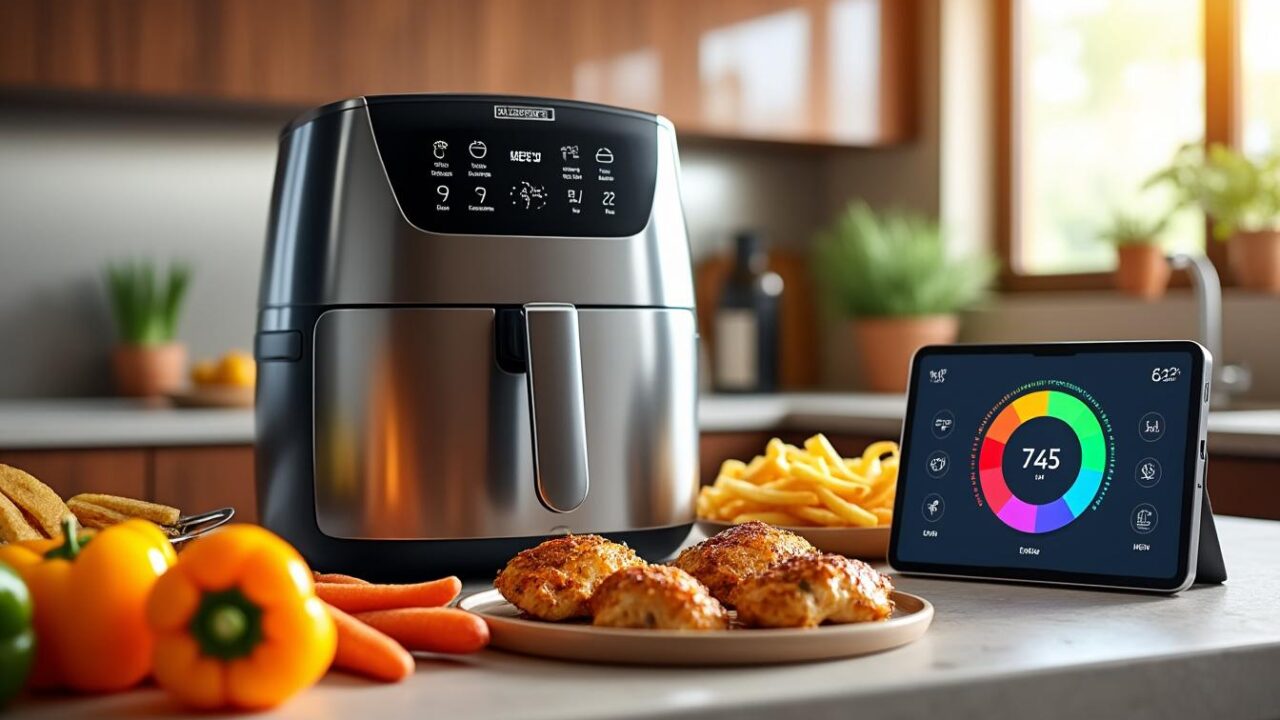
What are the best air fryer cooking tips for crispy results
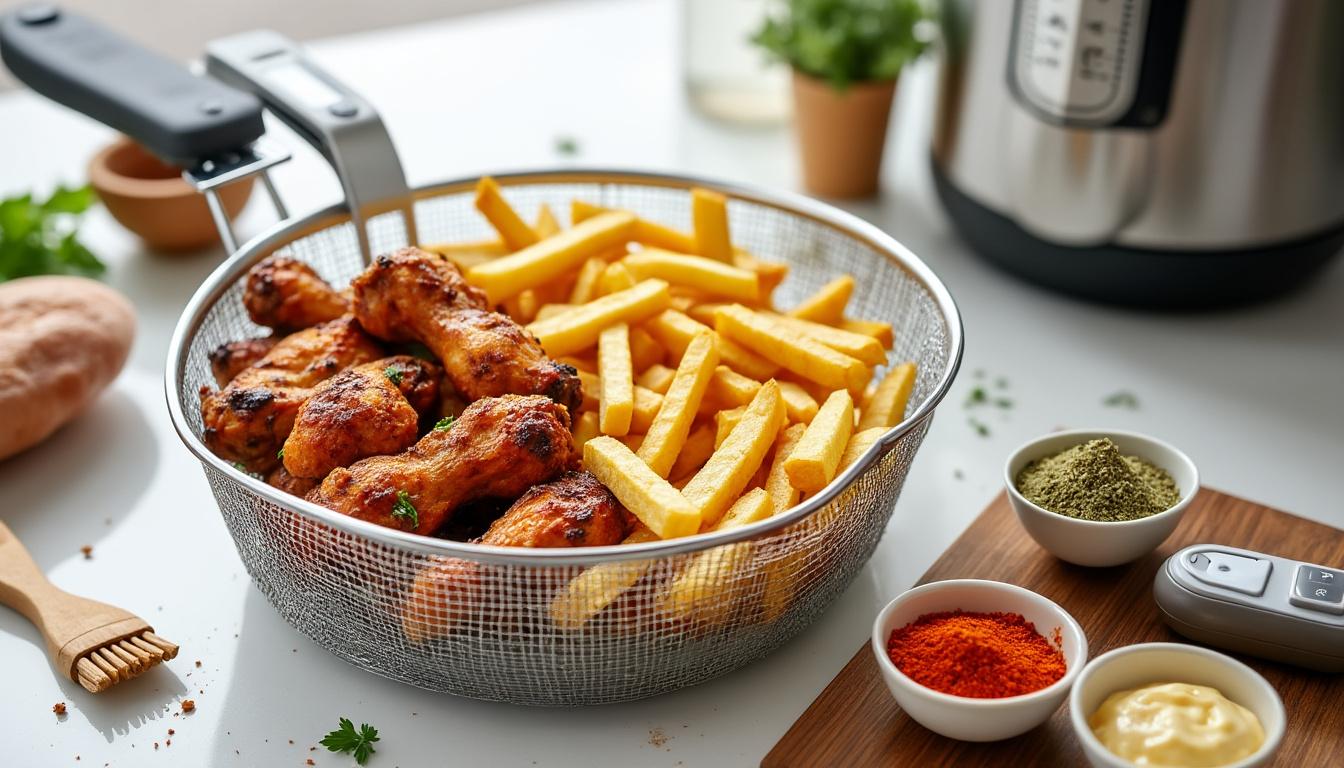
In kitchens where speed meets flavor, mastering the air fryer has become a modern culinary rite. This guide distills proven strategies to achieve reliably crispy results without excess oil or guesswork. Practical techniques such as controlled preheat, measured oil spray, and strict single layer cooking form the backbone of dependable air fryer performance. Alongside mechanical understanding—how rapid air circulation and heat distribution deliver texture—there are everyday hacks for troubleshooting soggy batches, avoiding smoke, and converting oven recipes with simple temperature control and cooking time adjustments. A recurring narrative follows Chef Rowan, a fictional test cook whose experiments with food spacing and repeated shakedowns transformed household meals into restaurant-style plates. The paragraphs that follow unpack these methods with examples, comparisons, and links to practical resources for those seeking to refine an essential kitchen skill in 2026.
- Preheat briefly to jump-start browning and reduce sogginess.
- Use a refillable oil spray of high smoke point oil instead of aerosol cans.
- Cook in a single layer and respect food spacing so hot air circulates freely.
- Shake basket or flip items halfway to expose all sides to heat.
- Adjust temperature control and cooking time when converting oven recipes (reduce temp ~25°F, shorten time ~20%).
Air fryer fundamentals for crispy results: how circulation, heat, and preheat work together
Understanding why an air fryer creates crunch begins with the basic principle of convection-like circulation. A compact heating element paired with a powerful fan forces hot air over food surfaces, encouraging moisture evaporation and Maillard browning that produce the sought-after crisp. Where traditional deep frying submerges food in oil to achieve those same reactions, an air fryer relies on dry heat and minimal oil. This fundamental difference explains why techniques like preheat and strategic food spacing matter greatly: the unit needs a brief run at cooking temperature so the air reaching the food is uniformly hot from the start.
Chef Rowan’s early tests highlight the effect: batches cooked without preheating took noticeably longer to brown and often developed a steamed surface before crisping. A 3–5 minute warm-up at the target temperature sets the stage for instant crust formation, particularly for breaded or frozen goods. Many modern models include a preheat function, but it can also be simulated by letting the fryer run empty for a short span. That initial heat surge reduces the time moisture spends on the surface, which lowers the chance of soggy exteriors.
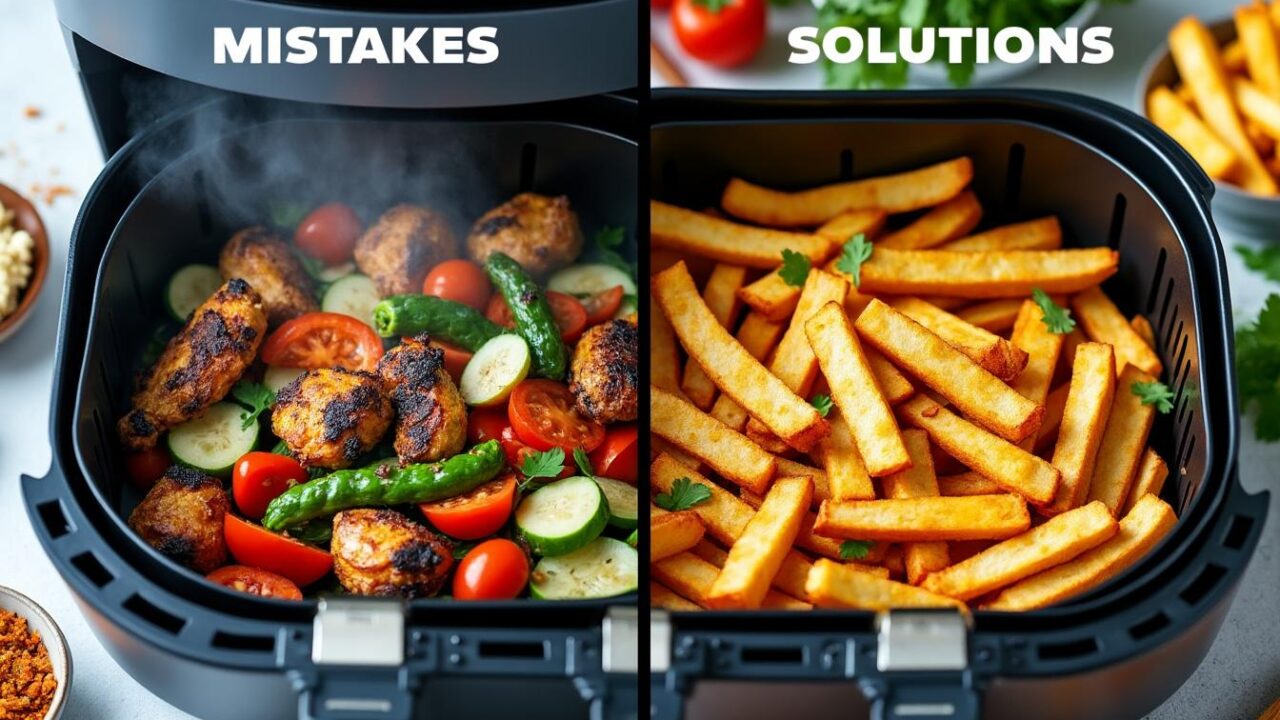
Airflow geometry matters too. Compact baskets and drawers were designed to promote rapid circulation, but the benefit vanishes when items obstruct the stream. The single layer approach is rooted in physics: when pieces are evenly spaced, each receives a steady flow of hot air that promotes identical browning. Conversely, stacked or crowded batches create microclimates where trapped steam prevents crispness. A disciplined layout reduces the need for excess oil and shortens overall cooking time.
Temperature is a lever that can be adjusted for texture. Higher heat favors fast browning and a crisp exterior; lower heat settings favor gentle cooking through. For instance, frozen fries crisp best between 375–400°F, whereas delicate fish benefits from lower temperatures to avoid flaking. In practice, reducing conventional oven temperatures by about 25°F and trimming the cooking time by roughly 20% is a reliable conversion rule. For an in-depth step-by-step on machine use and practical conversion advice, consult a trusted resource on how to use an air fryer like this step-by-step guide for beginners.
One more operational detail: small additions such as a shallow splash of water in the drawer beneath the basket can trap fat drips and prevent smoking when cooking high-fat items. This trick—simple yet effective—illustrates that crisp comes from a combination of proper heat, circulation, and moisture management. The key insight: mastering the physics behind the machine leads directly to consistent, restaurant-quality crisp.
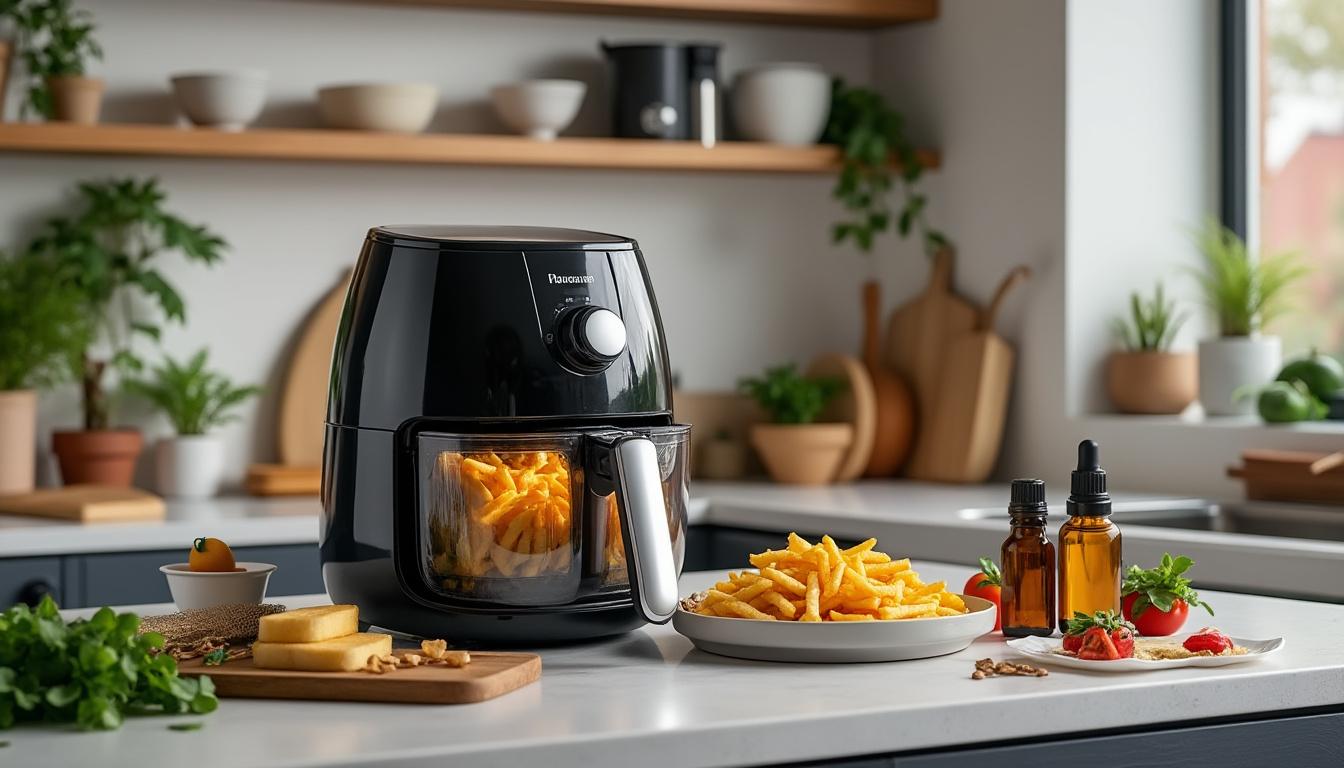
Prep and oil strategies to maximize crisp: choosing oils, using oil spray, and drying techniques
Preparation influences outcome. Proper prep ensures that the first contact between hot air and food produces browning, not steam. Begin with surface moisture: pat vegetables and proteins dry before seasoning. Excess water acts like a shield, turning a potential crisping moment into a steaming process. For breaded items, a dry, even coating adheres better and browns faster when introduced to a hot environment. These are simple, repeatable practices that separate successful batches from the ones that require second attempts.
Oil remains a subtle but indispensable ally. The modern air fryer excels at minimizing oil, yet a measured application can make the difference between pale and golden. Avoid aerosol canisters with propellants; they may damage non-stick coatings and produce uneven coverage. Instead, use a refillable oil spray or brush on a thin layer. Oils with high smoke points—avocado, grapeseed, and refined canola—are superior choices. A single, light spritz produces a crisp exterior without excess greasiness or smoke.
Chef Rowan’s recipe testing included three approaches to oil application: no oil, spray-on oil, and light tossing in oil. Results were telling: items with a controlled spray displayed deep, even browning and less sticking. Over-oiling, by contrast, caused smoking and sogginess. The advice is operational: a light mist trumps dousing every time.
Seasoning timing matters too. Salt draws moisture, so salting early on cut vegetables can lead to soggier results. Either salt immediately before cooking or use salt-containing rubs that will crisp during the heat. For marinades, pat the exterior dry before placing items in the basket. This prevents steam pockets and helps the surface reach the temperatures needed for a crispy result.
Practical tools help. Perforated parchment sheets and silicone racks preserve food spacing and keep sticky foods from adhering to surfaces. For very delicate items, small ramekins or silicone cups hold shape while allowing heat to wrap around. Learn more techniques and recipe inspirations from thorough collections of air fryer advice, such as this roundup of air fryer tips and hacks or practical pointers from a curated list of easy tips at air fryer tips.
In summary, success starts long before the basket closes: dry surfaces, measured oil, and mindful seasoning set the stage for crisp, flavorful results. The last, decisive step is enforcing spacing and motion during cooking, which is discussed next.
Layout, spacing and airflow: single layer cooking, shaking the basket, and multi-rack strategies
Air circulation is the engine of texture. The mandate is simple: maximize exposure of surfaces to moving hot air. The most reliable method to accomplish this is strict adherence to single layer cooking whenever possible. Single layer execution avoids trapped steam, guarantees uniform exposure, and minimizes the need to flip or rotate. For larger preparations, sending food through multiple quick batches preserves quality and often saves time when factoring cleanup and reheating.
Shaking or flipping remains a staple tactic. A mid-point pause to shake basket or flip pieces ensures that every face experiences comparable heat. For fries, popcorn chicken, and vegetable bites, a halfway shake at the 8–10 minute mark typically yields uniform color and texture. For irregular shapes like wings, flipping once at two-thirds of the time often produces the best alignment of crisp skin and cooked-through interiors.
Multi-rack and accessory strategies expand capacity while protecting airflow. Some air fryers accept stacked racks that allow a semblance of batch cooking without full stacking. When using multiple levels, rotate trays during cooking to offset hotspots and keep food spacing consistent. Avoid lining racks with full sheets of foil or paper that block vents. Perforated liners are the functional compromise: they catch crumbs while permitting hot air to move freely.
Size uniformity is another key variable. Pieces cut to similar dimensions cook at comparable rates and eliminate the risk of burnt edges paired with undercooked centers. When converting oven recipes, remember the conversion principle: reduce oven temperatures by approximately 25°F and trim cooking time by about 20%. For practical temperature recommendations for common foods, consult a conversion and temp guide like the thorough 18-tip cooking temperature guide, which lists specific targets for fries, chicken wings, and fish.
| Food | Recommended Temp | Approx. Cooking Time |
|---|---|---|
| French Fries (fresh) | 375°F | 15–18 mins (shake halfway) |
| Chicken Wings | 380°F | 20–24 mins (flip once) |
| Salmon Fillet | 400°F | 10–12 mins |
| Mozzarella Sticks (frozen) | 370°F | 8–10 mins (single layer) |
Chef Rowan illustrates the effect with a test: three trays of cut potatoes—one crowded, one evenly spaced in a single layer, and one stacked—were cooked under identical time and temp conditions. The single layer tray emerged uniformly golden, the crowded tray was uneven with steamed pockets, and the stacked tray had undercooked cores. The takeaway: insist on spacing and symmetry for reliable crisp.
Final insight: the basket is a theater where airflow performs; arrange the cast carefully, stage a mid-performance shake, and the curtain will rise on satisfying crunch.
Timing, temperature control and troubleshooting: avoid soggy batches and burnt edges
Fine-tuning time and temperature is where experience converts into consistency. Air fryers tend to be more efficient than ovens, so recipes must be adapted. A useful conversion method reduces oven temperatures by 25°F and shortens cooking time by about 20–25%. For proteins, rely on internal thermometers as the definitive indicator: chicken should reach 165°F, and fish typically around 145°F. Visual cues—golden browning, audible sizzle, firm texture—supplement thermometer readings and guide immediate adjustments.
Soggy outcomes can be reversed mid-cook. If a batch looks paler than expected at the halfway point, a brief boost of heat for the final few minutes often compensates. However, that tactic risks over-browning smaller edges. The safer approach is preventive: dry ingredients, light oil, and preheat. If sogginess emerges after cooking, a two-to-three minute re-crisp at 400°F can revive texture for many items, provided they are not already overcooked internally.
Burnt edges signal a mismatch between surface and interior cooking rates. This can happen when pieces are too small, clustered at the basket edge, or when temperatures are too high for the food’s density. Lowering heat by 10–25°F and extending time allows heat to penetrate without scorching. Also, avoid cooking mixed-size batches together unless sizes are adjusted mid-run.
Smoking is a frequent concern but usually solvable with a combination of cleaning and small procedural changes. Grease accumulation in the drawer, excess oil on a previous batch, or cooking fatty meats at too-high temperatures are common causes. Simple remedies include adding 1–2 tablespoons of water beneath the basket to catch drips and cleaning the tray after every use. For comprehensive troubleshooting and tips specific to crispness, resources such as tips for crispy results in the air fryer provide practical, recipe-focused suggestions, while broader troubleshooting lists are useful for beginners and pros alike; see extra guidance at tips for crispy results and conversion help at air fryer tips and guides.
Practical checklist for common problems:
- Too soggy: ensure preheat, pat dry, use light oil spray.
- Uneven browning: cut uniform pieces, maintain food spacing, shake basket.
- Smoke: clean tray, add water to drawer, lower temperature for fatty foods.
- Burnt edges: reduce temp, increase cooking time, avoid tiny pieces.
Key insight: thoughtful adjustments in temperature and time, combined with frequent checks and a meat thermometer when appropriate, turn guesswork into mastery.
Cleaning, safety and advanced hacks: prolong lifespan and push crisp further
Maintenance and safety are central to both performance and longevity. Regular cleaning prevents flavor carryover and reduces smoke risk. Remove baskets and trays after each session and wash with warm, soapy water. Avoid harsh scourers that degrade non-stick surfaces. Many baskets are dishwasher-safe, but consult the manual for specific guidance. A routine wipe of the heating element and interior with a soft cloth during weekly deep cleans prevents grease buildup that could ignite or create unpleasant odors.
When it comes to liners and foil, follow the safety rules: never place loose sheets that can be lifted by the fan into the heating element, and only use perforated parchment designed for air fryers. Foil can accelerate corrosion if used with acidic foods and can also impede airflow. For sticky or cheesy items, a perforated liner or a silicone insert balances cleanup with proper air circulation.
Advanced hacks help elevate results. For example, double-phase cooking—starting at a moderate temp to cook through, then increasing heat to finish—produces moist interiors and crunchy exteriors for bone-in chicken or thick cuts. Brining or a light sugar-salt rub before air frying can enhance browning and flavor; however, excess sugar may caramelize too quickly, so monitor times closely. For breakfast, try eggs cooked in silicone cups or ramekins for poached-like textures without water baths. For reheating, set the fryer to about 320°F for 3–5 minutes to restore crisp without drying internal moisture.
Safety-specific tips include keeping vents clear, never filling with wet batters, and using oven mitts when handling hot baskets. If smoke appears, pause and inspect for grease or overloaded baskets. Lightly oiling the basket before cooking sticky items reduces abrasion and preserves coatings, while a brief wipe after cooling minimizes long-term residue.
For those interested in structured learning and more beginner-friendly guidance, curated beginner tips and calculators can fast-track competence; practical resources like beginner air fryer tips and comprehensive must-know lists at must-know air fryer tips & tricks are recommended reading.
Final thought: the air fryer rewards care and creativity—treat it like a precision tool, maintain it routinely, and small technical improvements will yield consistently superior crunch.
{“@context”:”https://schema.org”,”@type”:”FAQPage”,”mainEntity”:[{“@type”:”Question”,”name”:”How important is preheating an air fryer for crisp results?”,”acceptedAnswer”:{“@type”:”Answer”,”text”:”Preheating is highly beneficial. A short 3u20135 minute preheat brings the air to cooking temperature quickly, jump-starts browning, reduces steaming, and helps create a crisper exterior, especially for breaded or frozen foods.”}},{“@type”:”Question”,”name”:”What is the best oil to use in an air fryer?”,”acceptedAnswer”:{“@type”:”Answer”,”text”:”Use oils with high smoke points such as avocado, grapeseed, or refined canola. Avoid aerosol cooking sprays with propellants; use a refillable oil mister to apply a light, even coating.”}},{“@type”:”Question”,”name”:”Why does food sometimes come out soggy, and how can it be fixed?”,”acceptedAnswer”:{“@type”:”Answer”,”text”:”Sogginess stems from excess surface moisture, overcrowding, or lack of preheat. Fixes include patting food dry, cooking in a single layer with proper food spacing, using a light oil spray, and preheating. If soggy after cooking, a brief blast of higher heat can help re-crisp.”}},{“@type”:”Question”,”name”:”Can oven recipes be converted to air fryer settings?”,”acceptedAnswer”:{“@type”:”Answer”,”text”:”Yes. A common conversion is to reduce the oven temperature by about 25u00b0F and shorten the cooking time by roughly 20u201325%. Always check early and use an internal thermometer for proteins.”}}]}How important is preheating an air fryer for crisp results?
Preheating is highly beneficial. A short 3–5 minute preheat brings the air to cooking temperature quickly, jump-starts browning, reduces steaming, and helps create a crisper exterior, especially for breaded or frozen foods.
What is the best oil to use in an air fryer?
Use oils with high smoke points such as avocado, grapeseed, or refined canola. Avoid aerosol cooking sprays with propellants; use a refillable oil mister to apply a light, even coating.
Why does food sometimes come out soggy, and how can it be fixed?
Sogginess stems from excess surface moisture, overcrowding, or lack of preheat. Fixes include patting food dry, cooking in a single layer with proper food spacing, using a light oil spray, and preheating. If soggy after cooking, a brief blast of higher heat can help re-crisp.
Can oven recipes be converted to air fryer settings?
Yes. A common conversion is to reduce the oven temperature by about 25°F and shorten the cooking time by roughly 20–25%. Always check early and use an internal thermometer for proteins.