

In brief — key takeaways
- Air fryer bacon delivers fast, crispy results with minimal mess.
- Set the temperature between 350–400°F and adjust time by cut thickness for a perfect finish.
- Choose cut and freshness carefully; frozen slices cook well but need slight time adjustments.
- Manage grease with the drip tray and reuse or dispose of fat responsibly.
- Small technique tweaks—light seasoning, spacing, and occasional flipping—create consistently excellent outcomes.
Air fryer bacon: the ultimate, magazine-style preview
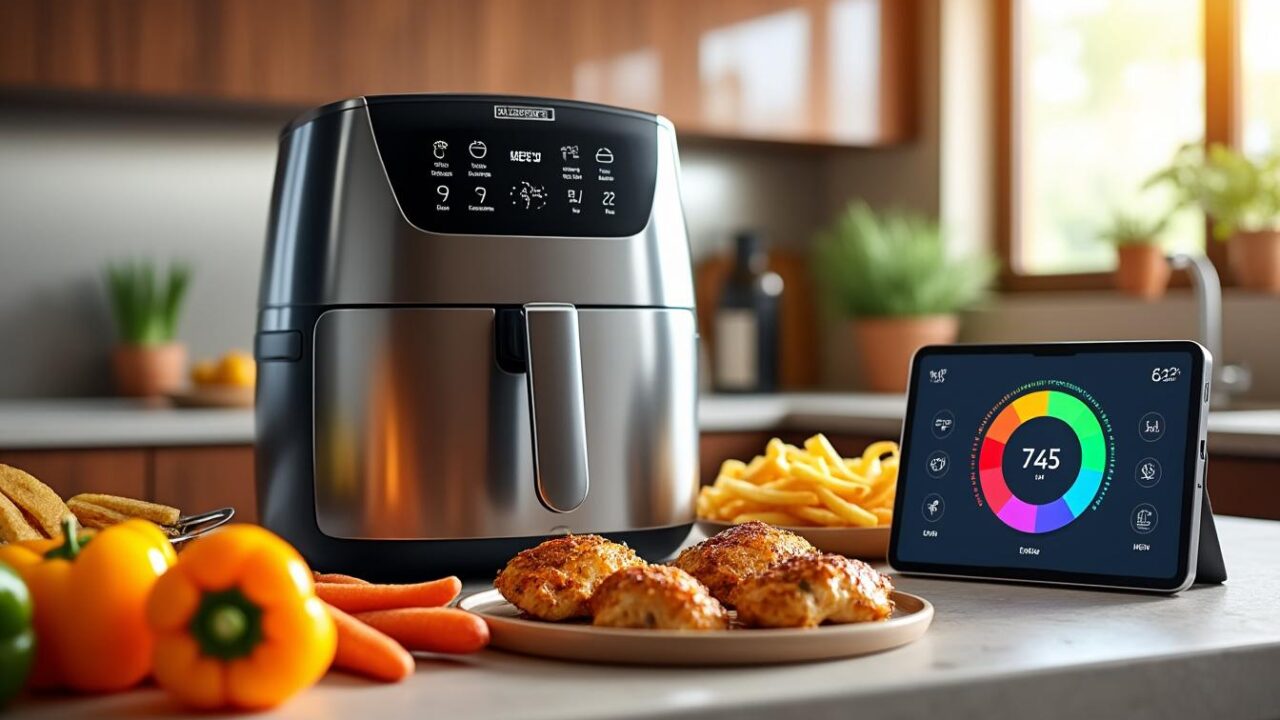
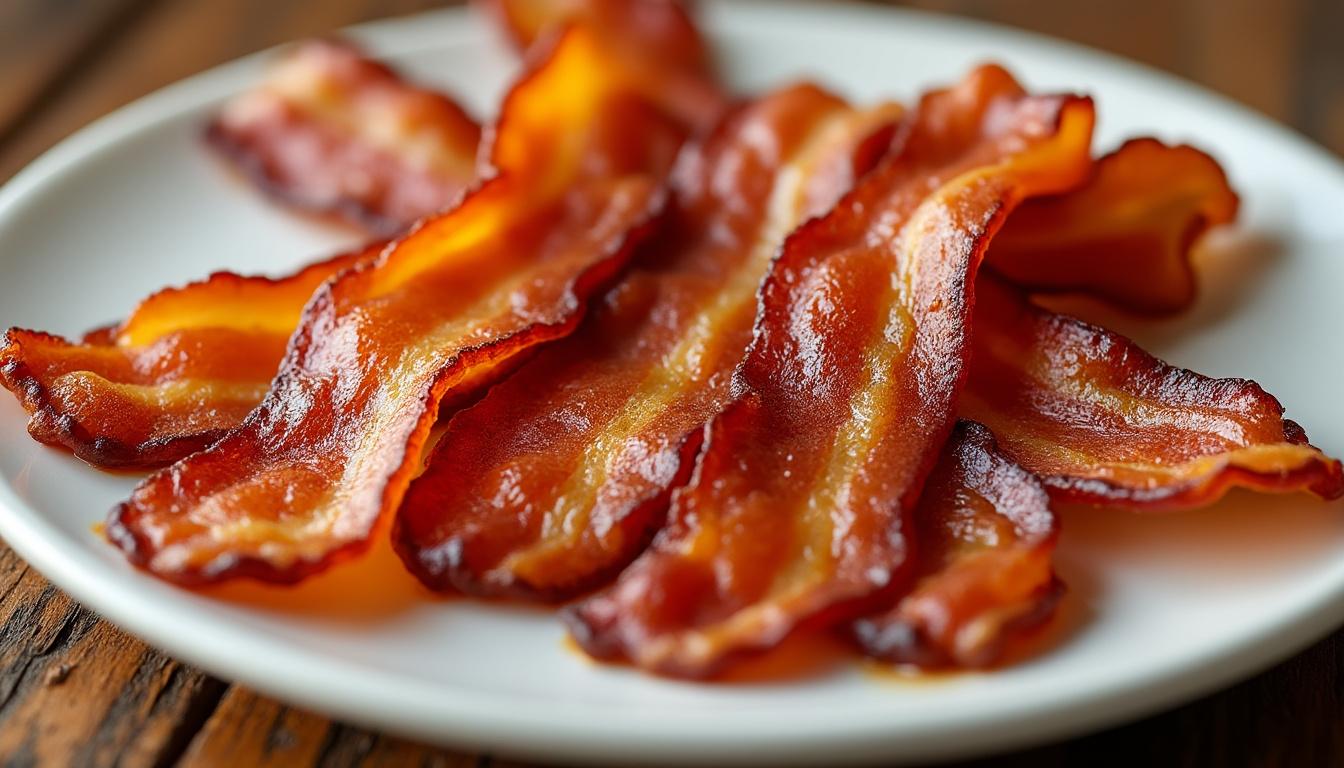
The ritual of turning raw strips into golden, crackling bacon is reinvented by the air fryer. This guide distills practical testing and kitchen stories into an accessible roadmap: selection of cuts, sensible temperature and time ranges, hands-on technique adjustments, and cleanup that keeps the kitchen calm. A home cook named Nora became the through-line of this exploration—an urban planner by day who treats weekend breakfasts like experiments. She compared regular, thick-cut, turkey and frozen bacon across different air fryer models, tracking render times, curling, and flavor retention. The result is a set of repeatable steps that balance speed with texture, yielding reliably crispy strips suitable for sandwiches, salads, or a weekend showstopper.
Along the way, practical references and tested recipes informed the approach: a classic method inspired by well-known recipe sources, troubleshooting tips for smoke and grease, and creative serving ideas. This is a hands-on guide for anyone who wants to master the art of air fryer bacon without the mess of stovetop splatter or the guesswork of trial-and-error. Expect clear cooking windows, safety-minded grease handling, and flavor-forward suggestions to make each batch feel perfect.
Best air fryer bacon technique for perfectly crispy strips
For most models the ideal starting point is 400°F (200°C); this temperature encourages rapid fat rendering while forming a crisp exterior. A conservative alternative is 350°F (175°C) for those who prefer a bit more chew and less curl. When aiming for consistently even browning, avoid overcrowding the basket—air must circulate freely to deliver the signature crispness.
Flipping is optional: many air fryers cook evenly without turning, but a flip at the halfway time (around 4–6 minutes for typical strips) can equalize browning for thicker cuts. For a detailed, kitchen-tested recipe and step-by-step visuals, consult a trusted source like a practical air fryer bacon recipe and a concise method guide at what setting to cook bacon in an air fryer.
Choosing the right bacon: cuts, freshness and frozen options
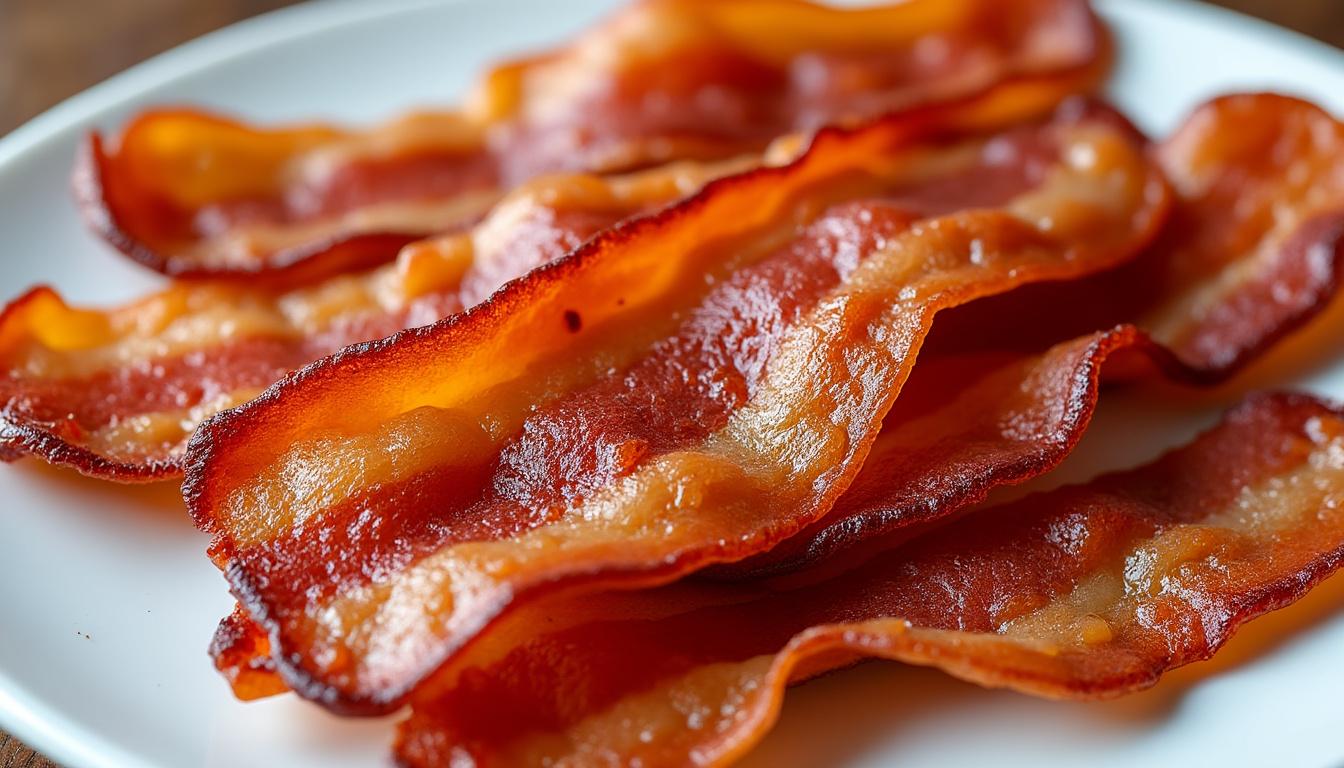
Selection matters. Thick-cut bacon offers a meatier bite and benefits from slightly longer time at a steady temperature. Standard-cut gives faster crisping, while turkey bacon needs less fat to render and often cooks more quickly to avoid drying.
Freshness is visible: even color and no off-odors mean better flavor and texture. Frozen bacon can be cooked straight from the package; allow a few extra minutes and separate slices as they thaw in the basket. For additional comparisons and tips on frozen vs. fresh cooking approaches explore the practical notes at can bacon be done in an air fryer and a tested method overview at how to make perfect bacon in air fryer.
Nora’s anecdote: a midweek test with frozen supermarket bacon produced surprisingly crisp strips when given an extra 2–3 minutes and an initial shake to separate slices—proof that small technique tweaks pay off.
Temperature and time chart for air fryer bacon
Use this chart as a practical starting point. Adjust by 1–2 minutes depending on model, slice size, and personal preference for chew vs. crunch.
| Cut / State | Temperature (°F / °C) | Time (minutes) | Notes |
|---|---|---|---|
| Standard-cut bacon | 400°F / 200°C | 8–10 | Flip at halfway for even browning; crispy at upper range. |
| Thick-cut bacon | 375–400°F / 190–200°C | 10–14 | Longer render time to avoid chewy centers. |
| Turkey bacon | 375°F / 190°C | 6–9 | Watch closely to prevent dryness. |
| Frozen bacon (slices) | 400°F / 200°C | 10–14 | Separate as soon as possible; may require a shake or flip. |
| Delicate / flavored cuts (sugar, maple) | 350–375°F / 175–190°C | 8–12 | Lower temp to prevent burning sugars; pat with paper towel after cooking. |
Insight: treating the chart as a hypothesis to test yields the most reliable results—record one’s ideal time and temperature per brand for future reference.
Step-by-step cooking technique and pro tips
Consistent outcomes come from a repeatable routine. Start by preheating the air fryer for 2–3 minutes when possible; lay strips in a single layer with small gaps for airflow. Small, deliberate adjustments in placement and seasoning transform good bacon into great bacon.
- Preheat the air fryer 2–3 minutes for steady heat.
- Arrange strips in a single layer; cut into halves to fit small baskets.
- Flip at the halfway mark for thicker cuts to ensure even cooking.
- Season sparingly—black pepper or a light dusting of brown sugar can elevate flavor.
- Use the drip tray and empty it between batches to reduce smoke.
For hands-on hacks to polish technique and save kitchen time, consult an advanced tip collection such as how to upgrade your air fryer skills and practical recipes like the air-fry focused tutorials at Recipes by Clare.
Managing grease, smoke and cleanup
Grease is both a nuisance and a culinary resource. Most air fryers include a drip tray to capture fat—position it correctly and empty it after each use to prevent smoking. If smoke appears, reduce temperature by 25°F and remove excess fat before continuing.
Leftover bacon grease can be cooled and stored for sautéing vegetables or adding depth to soups; otherwise allow it to solidify and discard with household waste—never pour down drains. Cleaning is straightforward: unplug and cool, then wash removable parts with warm, soapy water or place them in the dishwasher if the manufacturer permits.
For troubleshooting persistent smoke, see focused guidance on fixing common air fryer smoke issues at how to fix air fryer smoke issues effectively. Final insight: steady attention to grease control preserves both flavor and appliance longevity.
Creative serving ideas and meal pairings
Crispy air fryer bacon is a culinary building block: layer it into a breakfast sandwich with melted cheese, crumble it over a spinach salad to add texture, or wrap it around asparagus for easy appetizers. For a comforting weekday solution, batch-cook and refrigerate slices, reheating briefly in the air fryer for a refreshed crunch.
Nora’s favorite: torn bacon scattered on a roasted sweet potato and arugula salad transforms the dish with savory contrast—proof that a little bacon changes everything.
{“@context”:”https://schema.org”,”@type”:”FAQPage”,”mainEntity”:[{“@type”:”Question”,”name”:”What is the best temperature to air fry bacon?”,”acceptedAnswer”:{“@type”:”Answer”,”text”:”A reliable starting point is 400u00b0F (200u00b0C) for most bacon cuts; reduce to 350u2013375u00b0F for sugars or thinner slices. Adjust time to tasteu2014typically 8u201312 minutes for standard-cut bacon.”}},{“@type”:”Question”,”name”:”Should bacon be flipped while air frying?”,”acceptedAnswer”:{“@type”:”Answer”,”text”:”Flipping is optional. For thick-cut slices or to ensure perfectly even browning, flip at the halfway point. Many air fryers deliver even heat circulation, but a flip can improve uniformity.”}},{“@type”:”Question”,”name”:”Can frozen bacon be cooked in an air fryer?”,”acceptedAnswer”:{“@type”:”Answer”,”text”:”Yes. Cook frozen bacon at the same temperature with an added 2u20134 minutes depending on thickness. Separate slices as they thaw in the basket to promote even crisping.”}},{“@type”:”Question”,”name”:”How to reduce smoke when air frying bacon?”,”acceptedAnswer”:{“@type”:”Answer”,”text”:”Use the drip tray, avoid overcrowding, and wipe excess fat between batches. Lower the temperature slightly if smoke becomes noticeable, and consult targeted troubleshooting guides for persistent issues.”}}]}What is the best temperature to air fry bacon?
A reliable starting point is 400°F (200°C) for most bacon cuts; reduce to 350–375°F for sugars or thinner slices. Adjust time to taste—typically 8–12 minutes for standard-cut bacon.
Should bacon be flipped while air frying?
Flipping is optional. For thick-cut slices or to ensure perfectly even browning, flip at the halfway point. Many air fryers deliver even heat circulation, but a flip can improve uniformity.
Can frozen bacon be cooked in an air fryer?
Yes. Cook frozen bacon at the same temperature with an added 2–4 minutes depending on thickness. Separate slices as they thaw in the basket to promote even crisping.
How to reduce smoke when air frying bacon?
Use the drip tray, avoid overcrowding, and wipe excess fat between batches. Lower the temperature slightly if smoke becomes noticeable, and consult targeted troubleshooting guides for persistent issues.