
How to use air fryer accessories for better cooking results
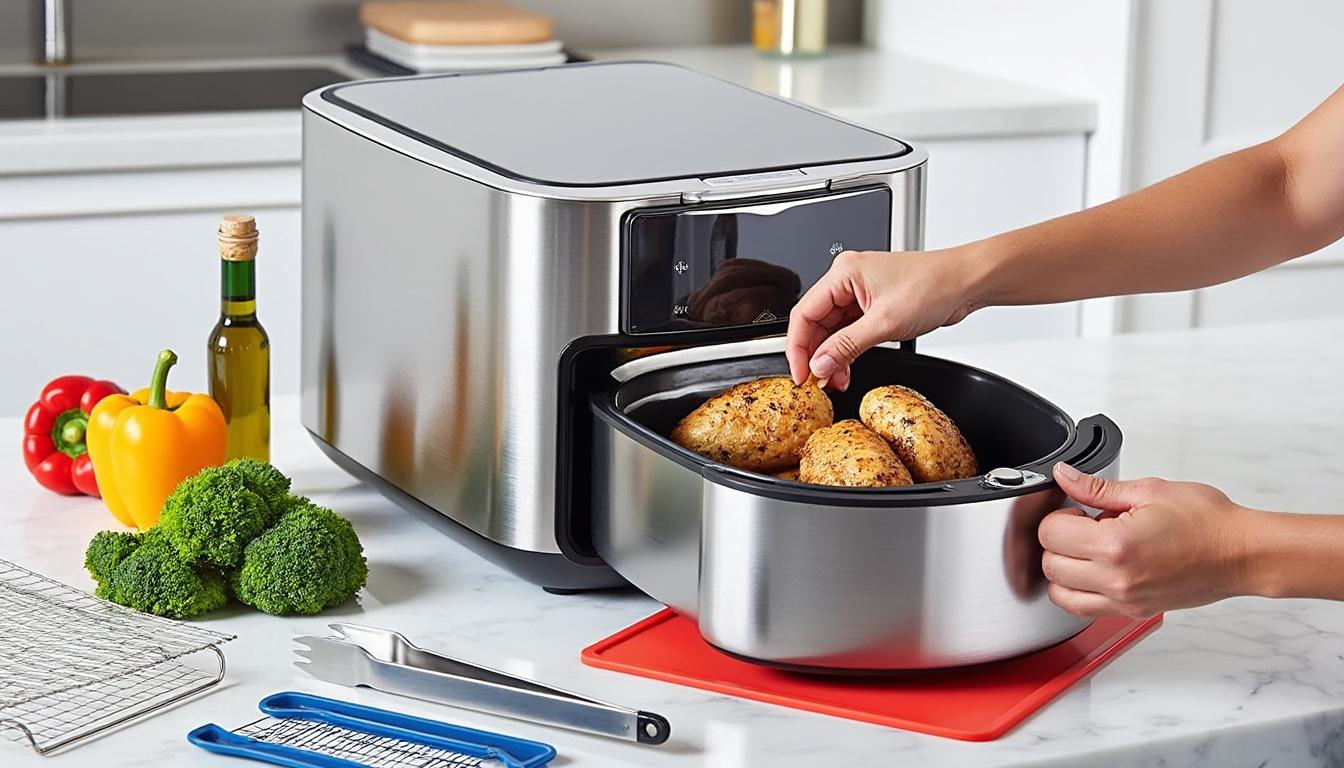
The compact hum of an air fryer has reshaped modern kitchens: a single appliance that crisps, roasts, bakes and reheats with a fraction of the oil and fuss of traditional methods. Yet, the true transformation occurs when thoughtful tools join that appliance. This piece examines how curated air fryer accessories amplify technique, improve temperature control, shorten cooking time, and produce consistently better cooking results. Practical examples—from a precision instant-read thermometer used to hit safe internal temps to a multi-level rack that doubles capacity without compromising airflow—show how a modest investment in kitchen gadgets elevates food preparation and helps create reliable air fryer recipes for weekday dinners and weekend experiments alike. Readers are offered clear, experience-driven cooking tips and appliance-care advice that keep results crisp and maintenance stress-free. Each section unfolds as a standalone guide: essential accessories, baking strategies with pans and molds, multi-level and airflow tactics, cleaning and longevity, and advanced techniques and recipe pairing. The tone balances precise instruction with creative thinking, making it simple to select the right tools and apply them in practical, repeatable ways.
- Must-have tools: instant-read thermometer, silicone utensils, oil sprayer, and air fryer liners.
- Cooking tips: measure basket dimensions, allow airflow, adjust cooking time and temperature, and test doneness with a thermometer.
- Maintenance essentials: gentle cleaning cloths, appropriate cleaners, and regular checks to preserve non-stick coatings.
- Expand recipes: silicone molds, baking pans, racks and ramekins open the air fryer to desserts, casseroles and individual portions.
- Further reading: curated guides and troubleshooting resources help refine technique and solve uneven cooking issues.
Essential air fryer accessories for consistent temperature control and food safety
Temperature control is the backbone of reliable air frying, and a precision thermometer is the single most consequential accessory. Using an instant-read device removes guesswork from recipes, converting vague “until golden” cues into reproducible internal temperatures. For proteins, monitoring doneness with a thermometer prevents overcooking while ensuring safety; poultry and pork, for example, reach safe internal limits without drying when checked mid-cycle and toward the end of recommended cooking times.
Silicone turners, spatulas and tongs preserve the non-stick basket finish while allowing gentle handling of delicate items. These utensils bridge the gap between technique and equipment: they enable gentle flipping, lifting and portioning without scratching coatings, which extends the life of the appliance and maintains even heat distribution. When choosing tools, prioritize heat resistance and ergonomic length—short implements invite burned fingers while overly long ones can be awkward and destabilize food.
An adjustable oil spray bottle replaces aerosol sprays that can degrade non-stick surfaces. The best refillable sprayers produce a fine fan of oil, letting cooks apply precise amounts for healthier cooking and more even browning. This precise control matters for achieving crisp breading without excess oil and for lightly coating vegetables so they crisp without becoming greasy. For sauces or marinades, the sprayer can double as a misting tool for vinegar, soy, or cooking wine.
Air fryer liners—paper or silicone—simplify cleanup and preserve basket surfaces when used correctly. These liners must be weighed down with food and must not be used during preheating alone; otherwise they can obstruct airflow or be drawn into the heating element. When chosen thoughtfully, liners reduce scrubbing and make it easy to lift delicate foods like cheese pizzas or sticky desserts without damage.
To translate these points into a short checklist for immediate application:
- Always use an instant-read thermometer to confirm doneness rather than relying solely on elapsed cooking time.
- Choose silicone utensils with varied lengths to protect coatings and improve handling.
- Replace aerosol oil sprays with a refillable sprayer for precise oil control.
- Use liners only under food and never during empty preheating.
Insight: prioritizing temperature control and protective utensils yields safer, repeatable results and reduces wear on the air fryer over time.
Using baking pans, molds and ramekins to expand air fryer recipes and techniques
Baking pans and dishes designed for ovens can be repurposed in air fryers provided they fit with adequate clearance for airflow. From single-serve ramekins to shallow pizza pans, the right pan transforms an air fryer from a reheater into a compact oven capable of casseroles, cakes and savory pies. The key is to measure the basket’s interior dimensions before buying accessories; leaving at least half an inch on all sides ensures hot air circulates and cooking time and temperature behave predictably.
Silicone molds and cups broaden the repertoire of air fryer recipes—individual egg bites, mini muffins and donuts are prime examples. Silicone’s non-stick nature allows clean release, but molds placed directly on the basket floor can impede circulation. Placing molds on a perforated tray or elevated rack improves airflow and produces more even baking results. Important adjustments are common: small molds in the basket’s center may need a few additional minutes compared to a conventional oven due to the concentrated heat.
Ramekins deliver elegant single servings and aid portion control. They excel with molten lava cakes, mini gratins and individual custards. Use parchment slings or a small sheet to make extraction safer and easier. Ceramic sizes around 6–8 oz are versatile; when removing, employ a plate gripper or the air fryer’s built-in handle to avoid burns.
The following table compares common baking accessories and their typical air fryer advantages:
| Accessory | Best Use | Airflow Consideration |
|---|---|---|
| Non-stick baking pan | Cakes, bread, casseroles | Leave side clearance; use a perforated base if possible |
| Silicone molds | Donuts, egg bites, muffins | Set on a tray or rack for even circulation |
| Ramekins | Portioned desserts, custards, bread puddings | Use parchment slings for easy removal; allow top ventilation |
Practical example: a springform pan that fits the basket allows deep baking like quick breads. Adjust the cooking time by checking internal temperature; a loaf may need several shorter intervals with a check to avoid over-browning. For pizzas, use a shallow pizza pan and preheat briefly to crisp the crust, then add toppings and finish at a slightly lower temperature to avoid burning cheese.
Additional resources for accessory selection and recipes can guide purchases and inspire experimentation; this curated advice complements hands-on learning. For broader shopping recommendations and practical accessory sets, a detailed guide provides step-by-step usage and accessory ideas that pair with common air fryer models.
Insight: choosing the right pans and using them with airflow awareness converts the air fryer into a versatile mini-oven, unlocking creative baking and portioned dishes.
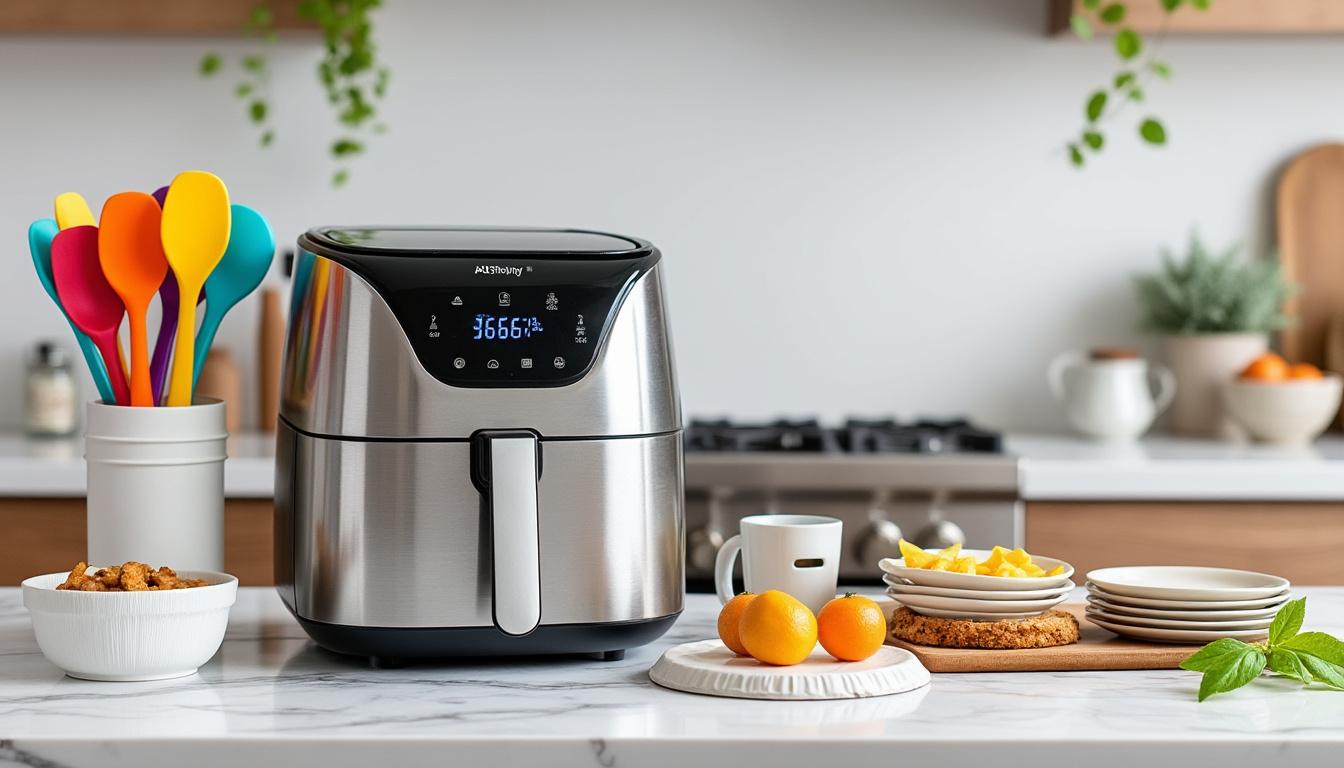
Maximizing capacity and browning with racks, skewers and foil while avoiding uneven cooking
Multi-level racks and skewers directly address two common desires: cooking more at once and creating varied textures. A stainless steel rack adds an extra cooking level, ideal for light items such as chicken wings or quesadillas that benefit from unobstructed air above and below. When using racks, distribute foods so items requiring more browning sit on the top level. Note that adding levels often requires small adjustments in cooking time; the top level typically receives more direct heat and may brown faster.
Skewers and skewer racks suit kebabs, vegetables and cubed proteins. Use metal skewers for durability and wood soaked briefly to avoid burning if using wooden types. Skewers concentrate heat and can speed up cooking time—turning them half-way through avoids hotspots. For dishes with cheese or loose toppings, a rack prevents items from being blown around while still allowing crisping.
Foil has two practical roles: shielding delicate tops from over-browning and creating slings for lifting fragile bakes from the basket. When covering a dish with foil, avoid sealing the basket completely; a light tent allows steam to escape while preventing excessive browning. Always secure foil under food or tuck it around a pan so it cannot be lifted into the fan. These airflow-aware steps prevent fan interference and uneven cooking, which is a frequent troubleshooting point for new users.
For uneven cooking specifically, consult focused troubleshooting steps describing causes and fixes, including rotating pans mid-cycle and avoiding overcrowding. That resource is especially useful when adjusting cooking times across different air fryer brands and wattages, since actual thermal patterns vary by model.
Example workflow: to roast a tray of mixed vegetables and finish halloumi on top, place the denser vegetables on the bottom rack and the halloumi on the top. Start at a higher temperature for caramelization, then lower the heat slightly to finish interior cooking without burning the cheese. Use a thermometer to confirm the vegetables are tender and the cheese is warmed through.
Insight: thoughtful placement—top versus bottom level—and controlled use of foil and skewers prevents uneven cooking and maintains crispness across multiple items.
Cleaning, maintenance and accessory choices that extend appliance life and support healthy cooking
Routine maintenance preserves both performance and safety. Gentle, non-abrasive cloths remove residue without damaging non-stick coatings; choose super-soft microfiber or coral velvet cloths for daily wipe-downs. For stubborn grease, a targeted dish spray formulated for kitchen use cuts through buildup rapidly and reduces the need for scrubbing—spray, wait briefly, and wipe to avoid abrasive actions that chip coatings.
Silicone reusable liners can be an eco-friendly alternative to parchment, though they require thorough drying after washing. Silicone liners that are thicker and equipped with perforations help balance convenience with airflow. When using linings—disposable or reusable—never run the air fryer empty with a loose liner in place; always weigh it down with food to prevent displacement.
Regularly inspect the basket and heating element for signs of damage or residue. If smoke develops during cooking, pause, allow the unit to cool, and check for food buildup. Periodic deep-clean cycles—removing detachable parts and soaking them in warm, soapy water—keep the unit performing predictably and support healthy cooking by preventing flavor carryover between recipes.
For step-by-step cleaning routines and longer-term maintenance, an appliance care guide explains disassembly, safe cleaning agents, and how to prevent common problems. Those instructions are particularly helpful when troubleshooting issues like inconsistent heating or unusual odors, offering diagnostic steps and fixes to restore reliable operation.
Insight: consistent, gentle maintenance keeps an air fryer working reliably and supports healthier cooking by preventing burned residues and preserving non-stick surfaces.
Advanced techniques, recipe pairing and which air fryer accessories to prioritize
As skills progress, accessory selection should be guided by the dishes that appear most often in weekly meal plans. Priority items—an accurate thermometer, flexible silicone tools, and a quality oil sprayer—deliver the largest return on investment for both flavor and safety. Secondary items like silicone molds, racks and baking pans enable new repertoire: personal desserts, multi-item cooking and crisped breads. Choose multi-purpose accessories that serve several functions to maximize utility and minimize clutter.
Examples of advanced pairings include using a baking barrel for deep, uniform loaves and a perforated pizza pan for crisp crusts. Ramekins deliver elegant single-portion entrees and desserts useful for entertaining. A mandoline speeds prep for evenly sliced chips and gratins that crisp uniformly; pair sliced potatoes with a light spray and an occasional shake for ideal browning. Recipes can be adapted for healthy cooking by reducing oil and relying on high heat and brief cooking time adjustments to achieve texture without excess fat.
For inspiration and recipe adaptation techniques, consult curated recipe collections and accessory-focused guides that demonstrate how to convert classic oven recipes to air fryer-friendly formats. Such resources help recalibrate cooking time and temperature, and provide tested adjustments for different accessory combinations.
Quick accessory-priority list:
- Must-have: instant-read thermometer, silicone utensils, refillable oil sprayer, parchment liners.
- Nice-to-have: multi-level rack, silicone molds, pizza pan, ramekins.
- Avoid unless needed: single-use or gimmicky pieces that offer little versatility.
For deeper exploration of accessory selection and to upgrade technique, consult a practical upgrade guide which offers advanced hacks and methodical adjustments for better cooking results. For those troubleshooting uneven cooks, a focused troubleshooting resource explains practical fixes and how to adapt recipes across different air fryer brands.
Insight: prioritize multifunctional accessories that align with favorite recipes; incremental upgrades yield the most consistent improvements in cooking quality.
{“@context”:”https://schema.org”,”@type”:”FAQPage”,”mainEntity”:[{“@type”:”Question”,”name”:”What are the three air fryer accessories that make the biggest difference?”,”acceptedAnswer”:{“@type”:”Answer”,”text”:”A precision instant-read thermometer, a refillable oil sprayer, and silicone utensils make the most immediate difference by improving safety, oil control and protecting non-stick surfaces.”}},{“@type”:”Question”,”name”:”How should cooking time and temperature be adjusted when using pans or molds?”,”acceptedAnswer”:{“@type”:”Answer”,”text”:”Measure basket clearance before use, allow extra circulation space, and reduce temperature by about 25u00b0F (u223c15u00b0C) in many cases or check earlieru2014use an internal thermometer to confirm doneness rather than relying solely on elapsed time.”}},{“@type”:”Question”,”name”:”Are silicone liners a safe alternative to parchment?”,”acceptedAnswer”:{“@type”:”Answer”,”text”:”High-quality silicone liners are safe and reusable, but they can reduce airflow if solid. Choose perforated versions or use them with racks; always dry thoroughly after cleaning to prevent odors or bacterial growth.”}},{“@type”:”Question”,”name”:”How often should an air fryer be deep-cleaned?”,”acceptedAnswer”:{“@type”:”Answer”,”text”:”A deep clean every 1u20132 months is a good rule for regular home use; wipe the basket after each use and perform a more thorough soak-and-scrub cycle when fees for baked-on residue appear.”}}]}What are the three air fryer accessories that make the biggest difference?
A precision instant-read thermometer, a refillable oil sprayer, and silicone utensils make the most immediate difference by improving safety, oil control and protecting non-stick surfaces.
How should cooking time and temperature be adjusted when using pans or molds?
Measure basket clearance before use, allow extra circulation space, and reduce temperature by about 25°F (∼15°C) in many cases or check earlier—use an internal thermometer to confirm doneness rather than relying solely on elapsed time.
Are silicone liners a safe alternative to parchment?
High-quality silicone liners are safe and reusable, but they can reduce airflow if solid. Choose perforated versions or use them with racks; always dry thoroughly after cleaning to prevent odors or bacterial growth.
How often should an air fryer be deep-cleaned?
A deep clean every 1–2 months is a good rule for regular home use; wipe the basket after each use and perform a more thorough soak-and-scrub cycle when fees for baked-on residue appear.
Further reading and practical guides are available for hands-on shoppers and cooks: a detailed accessory list and recipes can be found in a comprehensive accessories guide and accessory-focused recipe collections which explore how to make the most of each tool. For cleaning and maintenance steps, a focused guide on keeping an air fryer in top condition outlines safe methods and troubleshooting recommendations.
How to use air fryer accessories and curated shopping recommendations like Air fryer accessories every cook needs pair well with step-by-step maintenance articles such as how to clean and maintain your air fryer for longevity and advanced technique collections like how to upgrade your air fryer skills.