
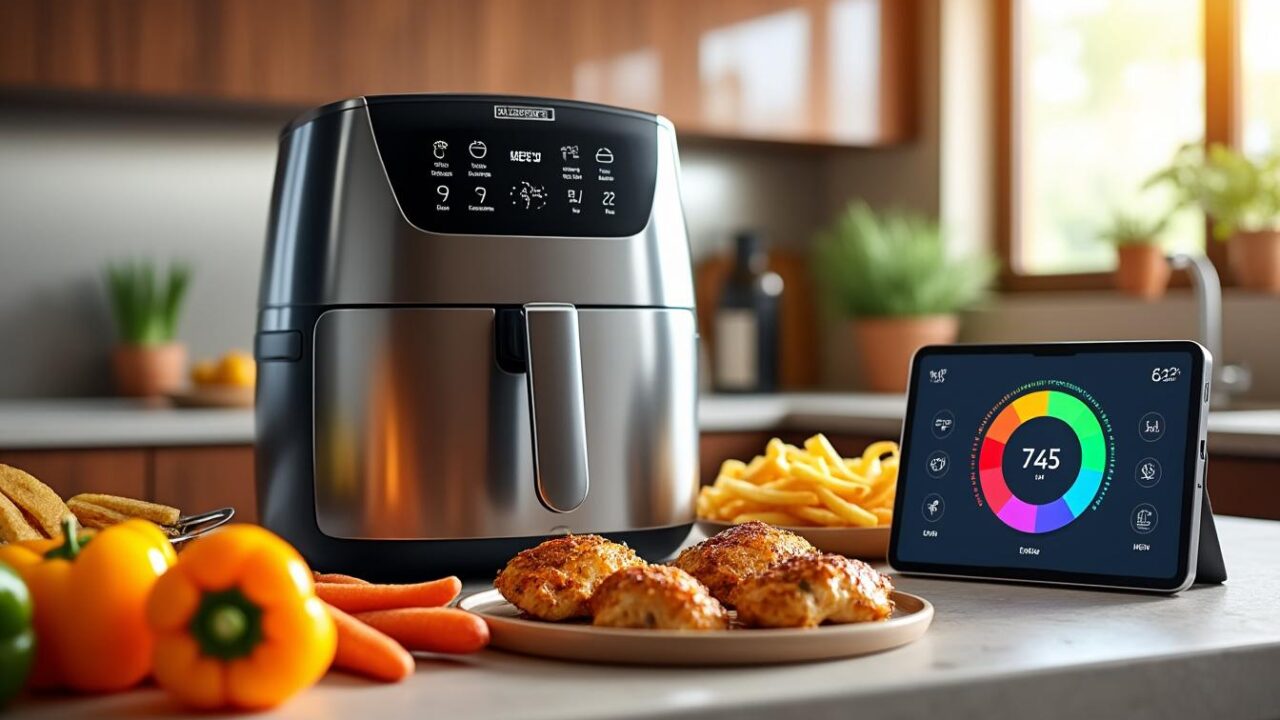
What are the benefits of using an air fryer and how can it improve your cooking?
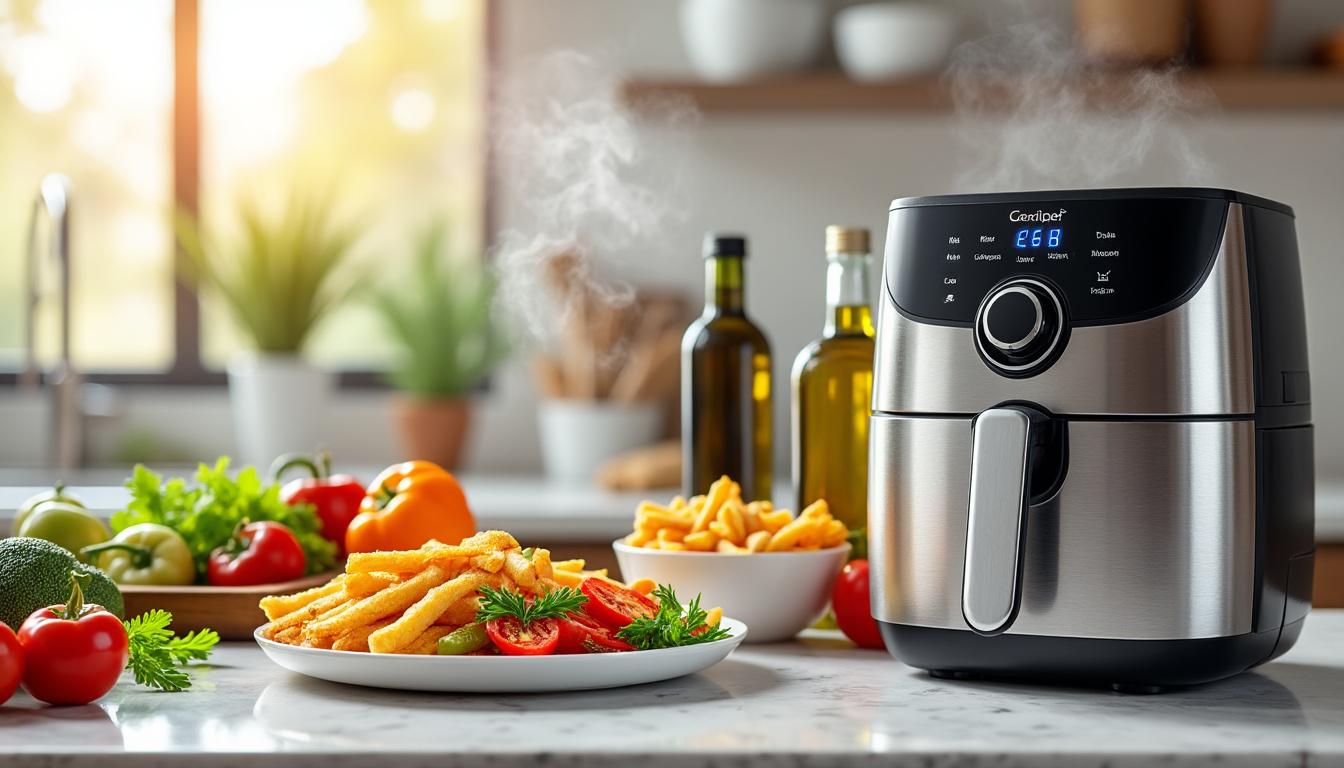
In brief:
- Healthier cooking with dramatically lower fat through rapid air circulation.
- Oil reduction that preserves flavor and lowers calories for better weight management.
- Fast cooking and energy efficient performance that suits busy households and small kitchens.
- Crispy texture comparable to deep frying for favorite snacks and family meals.
- Versatile appliance uses: roasting, baking, reheating, and grilling—plus easy cleanup.
A new wave of kitchen technology has shifted the focus from indulgence to intelligence: the air fryer. Once a niche gadget, it now anchors modern home cooking with a promise of familiar textures—golden, crunchy, satisfying—achieved with a fraction of the oil traditionally used. This evolution matters in 2026, when nutritional awareness and time pressures coalesce into a demand for appliances that deliver on both health and convenience. Restaurants and home cooks alike report remarkable improvements in plate composition and meal timing, while a spate of independent studies highlights lower formation of harmful compounds during air frying compared with conventional deep frying. The resulting meals support cardiovascular health, reduce daily caloric intake, and maintain palatable textures that have long been associated with less healthy preparation methods. In parallel, innovations in accessory kits and model capacity mean air fryers now fit a wider range of culinary tasks—from quick weekday dinners to weekend batch roasting—making them a practical choice for households aiming for improved nutrition without sacrificing taste.
How an air fryer works and why it delivers healthier cooking outcomes
At the heart of the air fryer is a simple mechanical principle: rapid air circulation combined with concentrated heat. A high-powered heating element warms the air inside a compact chamber, then a strong fan forces that heated air to move at velocity around the food. This process mimics convection cooking on a micro scale and creates a Maillard reaction on surfaces, producing the sought-after crispy texture and golden finish that typically requires immersion in oil.
Because the chamber is small, heat-up time is minimal and the hot air reaches each surface quickly, allowing similar browning with only a thin coating of oil or sometimes none at all. The result is a dramatic oil reduction—many recipes need a single tablespoon or less—so meals contain far fewer added fats. That reduction translates into lower caloric density per portion and supports broader goals such as weight management and improved lipid profiles when integrated consistently into dietary habits.
Mechanistic advantages also influence compound formation during cooking. Traditional deep frying at extreme temperatures encourages the production of acrylamide and other oxidative products in starchy foods. Air frying’s shorter exposure times and reduced oil environment generally lead to less formation of these compounds, a point explored in independent articles and health reviews that compare methods for safety and nutrition. For those tracking nutrient retention, the brief cooking intervals often preserve vitamins and phytochemicals better than prolonged oven roasting.
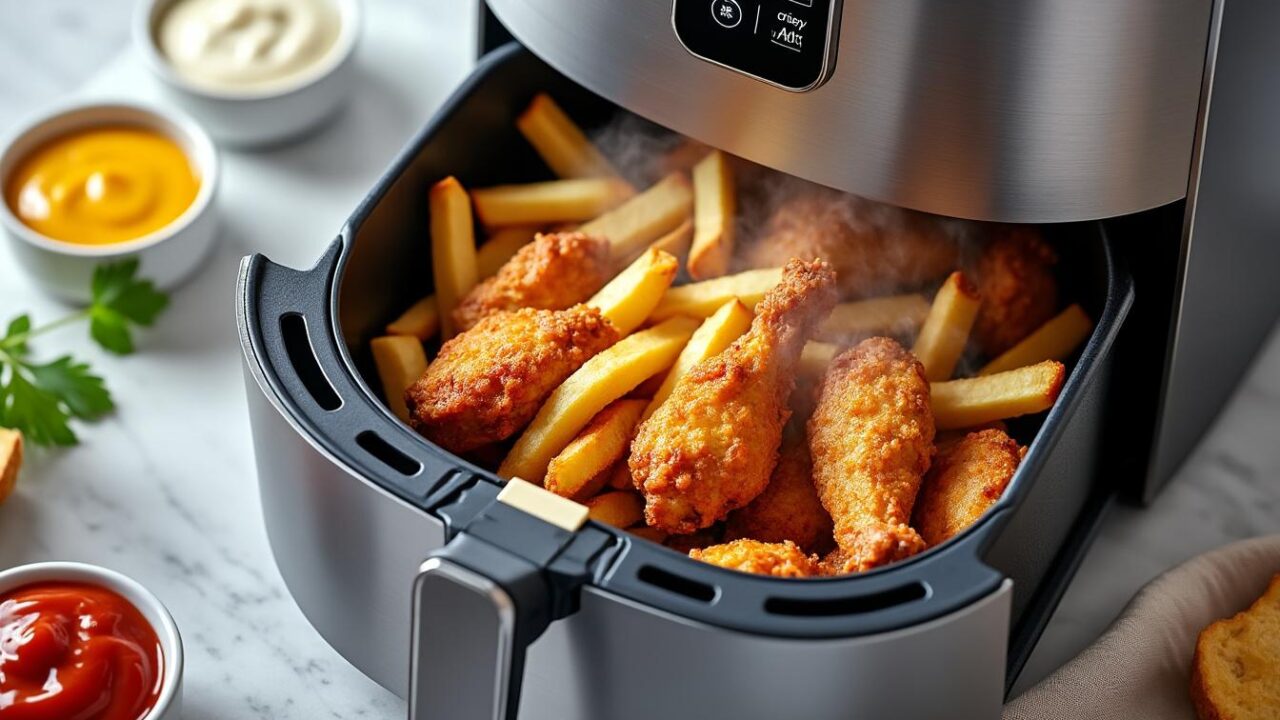
Practical examples make the mechanism tangible. A thinly sliced potato tossed lightly in oil reaches a crisp edge in an air fryer within 12–15 minutes, whereas deep frying yields a similar external result but doubles the fat content. A skin-on chicken breast develops a crunchy exterior without the pools of residual oil that make leftover plate cleanup and portion control more challenging. These differences are not only technical; they reshape how meals are planned, making it easier to include smaller portions of fried textures across a weekly menu without the caloric penalty.
To investigate further, readers can consult focused guides that outline the science and practical testing of air-frying techniques; for instance, an accessible explainer explores what makes the appliance a healthier alternative in detail. Discover the mechanisms behind healthier air frying offers a look at both the engineering and nutritional outcomes in everyday cooking contexts.
Insight: The compact convection environment of an air fryer enables a trinity of benefits—rapid heat transfer, reduced oil exposure, and retained texture—that together explain its effectiveness as a healthier cooking tool.
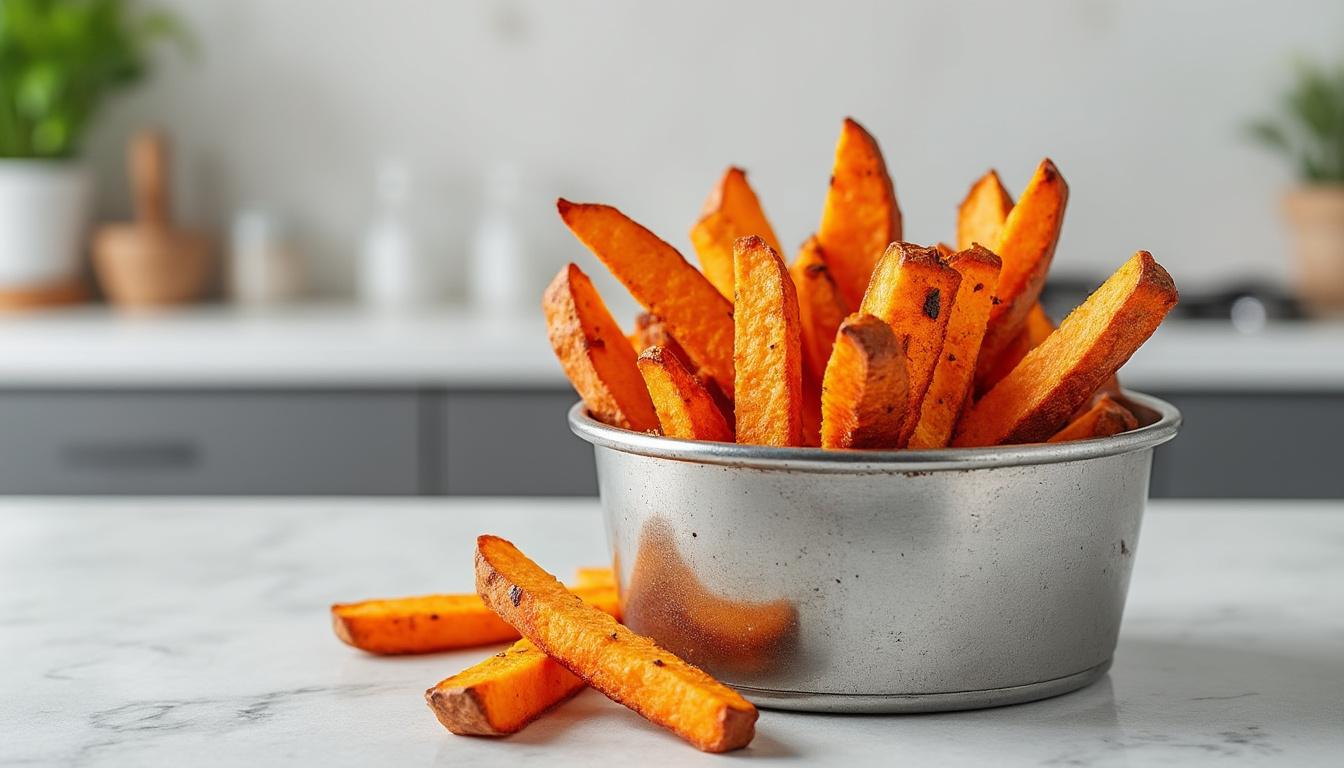
Health advantages: fat reduction, heart health, and metabolic benefits
Replacing frequent deep-fried items with air-fried alternatives can produce measurable benefits over time. Lower oil consumption reduces saturated and trans fat intake from routine meals. As a result, dietary shifts toward air-fried preparations are associated with improved cholesterol levels and a reduced cardiovascular burden when combined with balanced food choices. Health organizations increasingly reference cooking method adjustments as part of holistic heart-healthy strategies.
Beyond lipid control, the reduction in caloric intake from oil-heavy dishes supports sustainable weight management. A practical scenario involves a small neighborhood bistro owned by a fictional chef, Maya, who transitioned many menu items to air frying. Regular customers reported feeling less bloated after meals, while the kitchen noticed a decline in oil-related waste and improved portion consistency—both drivers of healthier offerings and lowered operational costs.
Another key advantage is a lower incidence of harmful cooking byproducts. High-temperature frying can elevate formation of acrylamide in starchy foods, a compound associated with health concerns. Because air frying uses less oil and generally involves shorter surface-only high-heat periods, acrylamide formation tends to be reduced, making snacks and sides safer when consumed occasionally as part of a varied diet.
Evidence reviews and reputable health resources provide balanced takes on the pros and cons of air frying; they emphasize that while air-fried foods are healthier than some deep-fried equivalents, overall dietary patterns remain decisive. For practical reading, a report from a mainstream technology publication highlights a novel health advantage revealed through comparative cooking studies, noting indoor air quality and reduced oil vapor when air frying versus pan-frying. This study summary offers context for why the healthier profile extends beyond the plate to the kitchen environment.
Consider real-world meal shifts: swapping traditional French fries for air-fried fries twice a week can cut weekly fat intake substantially, translating to meaningful differences over months. Similarly, transforming battered and deep-fried fish tacos into air-fried versions preserves the mouthfeel but trims oil exposure and total calories, offering a route to enjoy favorite meals without undermining health goals.
Insight: Air frying can be a practical intervention for cardiovascular and metabolic health by lowering oil intake, reducing harmful byproducts, and enabling consistent portion control.
Versatility in the kitchen: from roasting to baking with an air fryer
The air fryer has evolved into a true versatile appliance, moving beyond its initial role of mimicking deep frying to become a multitasking companion: roast vegetables with crisp edges, bake compact cakes and muffins, reheat leftovers with restored texture, or grill small cuts of meat with a pleasing char. This versatility opens new culinary avenues for home cooks and food entrepreneurs alike.
For instance, Maya’s bistro began using the air fryer not only for fries and wings but also to roast seasonal vegetables that previously required long sheet-pan time in the oven. The concentrated heat produced quicker caramelization on carrots and Brussels sprouts while keeping centers tender. Bakery experiments also thrived: single-serve tarts and small loafs bake quickly in the air fryer because of the focused heat and minimal preheat requirement.
Recipe adaptation is straightforward. Frozen foods respond particularly well, often delivering superior results to stovetop or microwave reheating. A common example: frozen breaded shrimp become crunchy within 8–10 minutes compared to a longer oven-bake, and they avoid the sogginess that occurs with microwave reheating. The rapid cooking also makes this an ideal tool for last-minute meals, supporting convenient meals for busy schedules.
Accessories further enhance this adaptability. Racks multiply layers for batch cooking, silicone molds expand baking possibilities, and grill pans provide searing marks. When paired with rotation techniques—flipping, shaking, or adding brief resting periods—complex preparations become accessible without heavy equipment.
To get started, a structured list of common air fryer applications helps illustrate the range:
- Roasting: Vegetables, potatoes, small whole fish.
- Baking: Muffins, quick breads, small cakes.
- Reheating: Pizza slices, sandwiches, fried leftovers.
- Grilling: Burgers, halloumi, skewers with less smoke.
- Snack prep: Nuts, chickpeas, and crisps with controlled oil.
Further guidance on choosing an air fryer and mastering its functions can be found in comprehensive product guides that walk through capacity, heating technology, and accessory compatibility. A practical resource offers a full walkthrough of selecting and using air fryers for different household sizes and cooking styles. A complete guide to choosing and using air fryers provides detailed comparisons and usage tips for getting the best results.
Insight: The air fryer’s adaptability—from baking to searing—makes it a compact multi-tool that streamlines meal variety while preserving quality and texture.
Time, energy, cleanup, and practical trade-offs when adopting an air fryer
Adoption of an air fryer promises notable gains in fast cooking and energy efficient operation. Because air fryers heat smaller volumes and often eliminate lengthy preheat cycles, they reduce overall runtime compared with full-size ovens. For households juggling work, childcare, and social life, the time savings translate into feasible, healthier weekday dinners rather than relying on processed convenience foods.
Energy efficiency is measurable. Smaller heating elements and shorter cook cycles equate to less electrical consumption per meal in many scenarios. This can be financially meaningful across a year of regular use, especially for families who previously relied on gas or electric ovens for small, quick meals. In professional kitchens and small catering operations, reduced energy demands also lower overhead.
Cleanup is another advantage. Many baskets and trays are coated with non-stick surfaces and are dishwasher-safe, cutting scrubbing time dramatically. Less oil use means fewer greasy pans and less absorbent paper waste. For busy operators like Maya, this meant faster turnaround between service shifts and lower labor costs for maintenance.
Yet air fryers are not without trade-offs. Capacity limits mean larger meals may require multiple batches, increasing hands-on time and potentially negating some of the energy advantages. Certain heavily battered items may not achieve the same uniform crisp as deep-frying, and textural outcomes sometimes require experimentation in coating thickness or brief finishing under a broiler for extra crunch.
To make the most of the appliance, consider these practical tips:
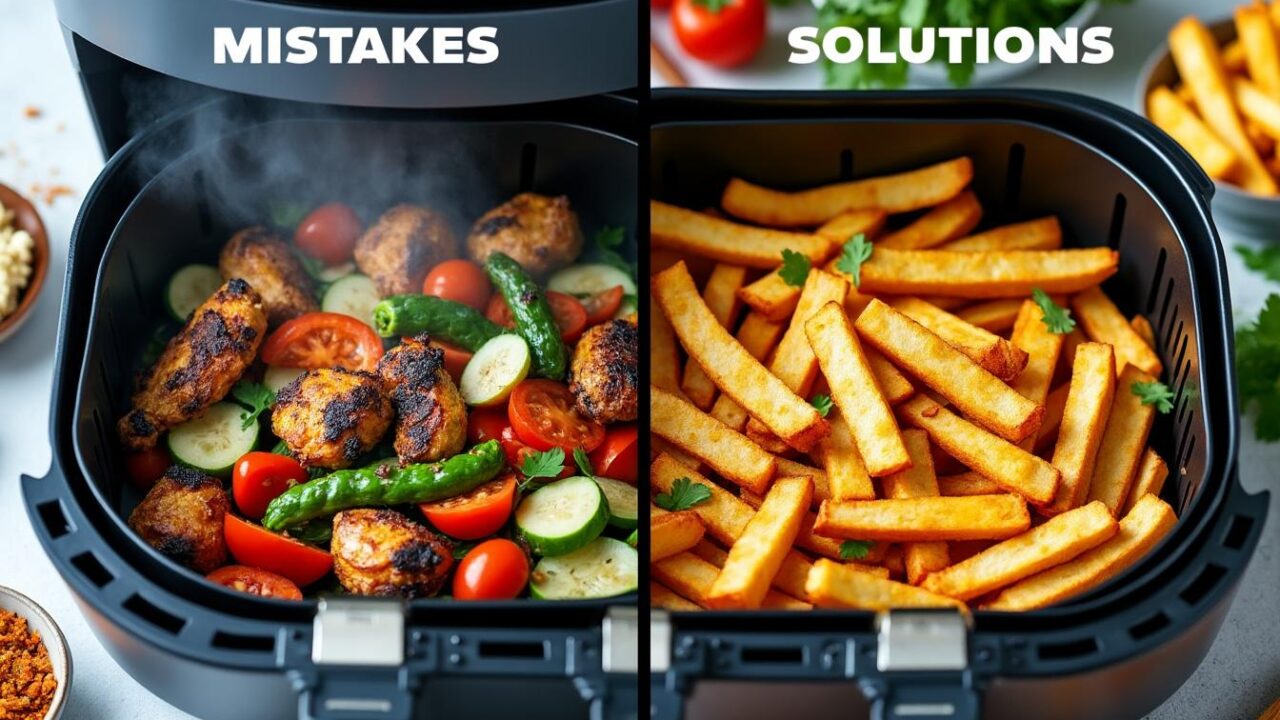
- Do not overcrowd the basket; ensure air circulation for even results.
- Shake or flip items mid-cycle to promote consistent browning.
- Use minimal oil—often a light spray suffices—to balance crisp and health goals.
- Invest in compatible accessories to expand capacity and functions.
- Keep a cooking log for favorite recipes to streamline repeatable success.
A quick comparison table highlights common differences between air frying and traditional deep frying to help choose the appropriate method by dish and priority.
| Feature | Air Frying | Deep Frying |
|---|---|---|
| Oil usage | Minimal; often 0–1 tbsp | High; submersion required |
| Crispiness | High on outer layer, less oily | Very high; fully saturated |
| Cooking time | Short; rapid heat-up | Variable; requires heating oil |
| Cleanup | Easy; removable baskets | Messy; oil disposal required |
| Energy | Energy efficient for small batches | Higher for equivalent yields |
Readers interested in a balanced look at advantages and caveats might consult product reviews and health overviews that weigh pros and cons, offering practical buying and usage advice. An overview of air fryer advantages provides useful perspective for comparing models and use cases.
Insight: The air fryer excels at quick, energy-conscious cooking with minimal cleanup, but understanding capacity limits and technique is key to reaping full benefits.
{“@context”:”https://schema.org”,”@type”:”FAQPage”,”mainEntity”:[{“@type”:”Question”,”name”:”Are air-fried foods truly healthier than deep-fried options?”,”acceptedAnswer”:{“@type”:”Answer”,”text”:”Yes. Air frying significantly reduces the amount of cooking oil required and typically lowers calorie and fat content compared with deep frying, while also decreasing the formation of some harmful cooking byproducts.”}},{“@type”:”Question”,”name”:”Can an air fryer replace an oven or deep fryer in everyday cooking?”,”acceptedAnswer”:{“@type”:”Answer”,”text”:”An air fryer can supplement or replace many oven and fryer tasks for small to medium portionsu2014roasting, baking, reheating, and achieving crispy texturesu2014though large-capacity baking and some deep-fryer textures may still favor traditional equipment.”}},{“@type”:”Question”,”name”:”What are quick tips for getting crispier results in an air fryer?”,”acceptedAnswer”:{“@type”:”Answer”,”text”:”Avoid overcrowding, use a light coating of oil or an oil spray, preheat briefly if recommended by the model, and shake or flip foods during cooking to ensure even exposure to hot air.”}},{“@type”:”Question”,”name”:”Is an air fryer a good choice for weight management?”,”acceptedAnswer”:{“@type”:”Answer”,”text”:”Yes. By reducing oil intake and enabling more frequent inclusion of cooked vegetables and lean proteins with palatable textures, an air fryer can support weight management as part of an overall balanced diet.”}}]}Are air-fried foods truly healthier than deep-fried options?
Yes. Air frying significantly reduces the amount of cooking oil required and typically lowers calorie and fat content compared with deep frying, while also decreasing the formation of some harmful cooking byproducts.
Can an air fryer replace an oven or deep fryer in everyday cooking?
An air fryer can supplement or replace many oven and fryer tasks for small to medium portions—roasting, baking, reheating, and achieving crispy textures—though large-capacity baking and some deep-fryer textures may still favor traditional equipment.
What are quick tips for getting crispier results in an air fryer?
Avoid overcrowding, use a light coating of oil or an oil spray, preheat briefly if recommended by the model, and shake or flip foods during cooking to ensure even exposure to hot air.
Is an air fryer a good choice for weight management?
Yes. By reducing oil intake and enabling more frequent inclusion of cooked vegetables and lean proteins with palatable textures, an air fryer can support weight management as part of an overall balanced diet.