
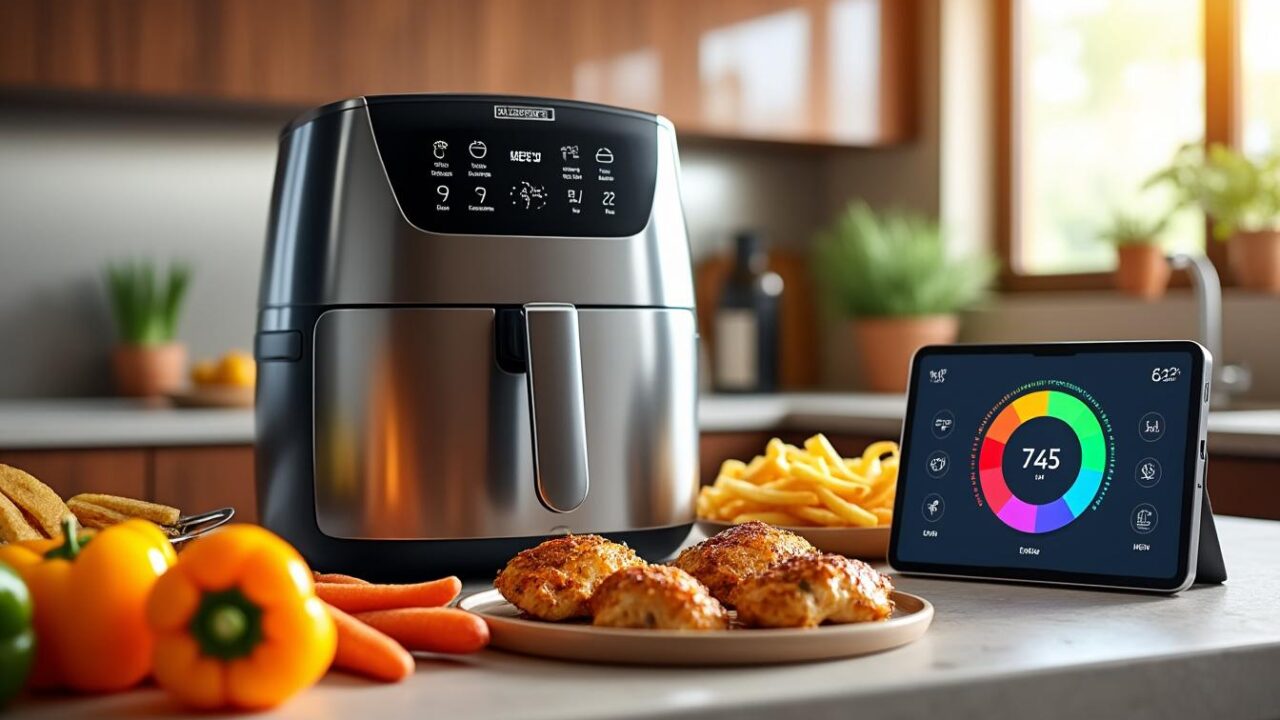
How to cook healthy air fryer chicken recipes for tasty and nutritious meals
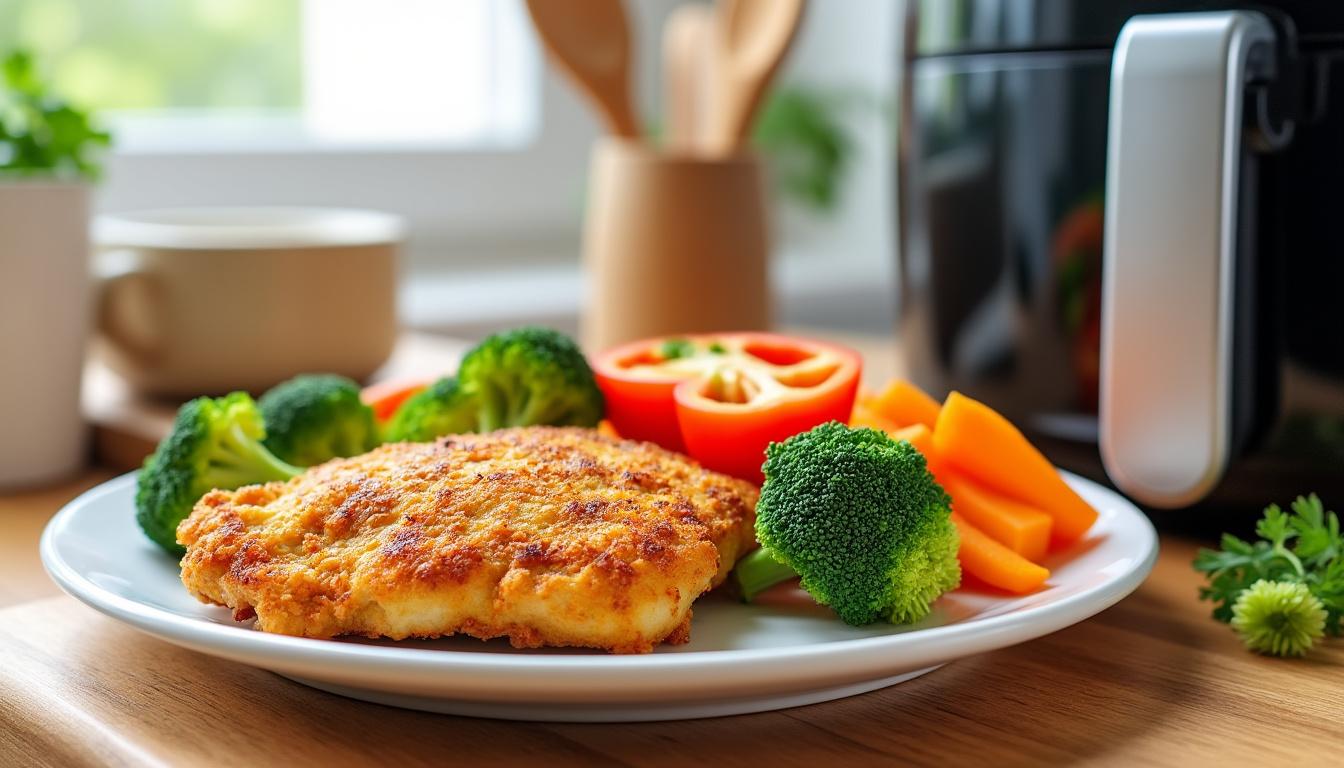
The air fryer has rewritten the rules of weeknight cooking: crispy textures, reduced oil, and remarkably fast results. This piece explores practical, flavour-forward ways to prepare healthy air fryer chicken recipes that deliver on both taste and nutrition. Readers encounter a blend of technical guidance—temperature control, portioning, and batch strategies—and creative inspiration in the form of seasoning swaps, vegetable pairings, and global recipe adaptations. A fictional home chef, Maya, navigates the demands of a busy household and demonstrates how easy cooking with an air fryer can transform meal routines. Practical tips for meal prep, low-fat substitutions, and ways to stretch protein across multiple meals appear alongside clear nutritional markers so decisions remain informed and efficient.
In a landscape where convenience often undermines quality, air fryers provide a bridge: quick recipes that are also nutritious. The article highlights methods for achieving succulent chicken with minimal oil, pairing the protein with vibrant vegetables, and adapting recipes for dietary needs such as low carb or gluten-free. Kitchen logistics—how to choose the right model, work in batches, and clean up fast—are covered to ensure sustainable, repeatable cooking. The following sections take a descriptive, example-driven approach to equip cooks of varying skill with the tools to produce consistently tasty meals from an air fryer, while preserving nutrients and minimizing time at the stove.
Brief
- Speed and nutrition: Air fryers produce crispy chicken with little oil—ideal for low-fat, protein-rich meals.
- Vegetable harmony: Quick-roasting veggies like zucchini, peppers, and broccoli pair naturally with bite-sized chicken.
- Versatility: Swap breasts for thighs, adapt spice blends, and convert to oven-roasting when needed.
- Meal prep friendly: Batch-cook proteins and veggies for grab-and-go lunches and weeknight dinners.
- Resource hub: Further inspiration and tested recipes can be found at curated recipe collections and technical guides online.
Air Fryer Fundamentals for Healthy Chicken Recipes and Reliable Results
Understanding the fundamentals of the air fryer is the first step toward consistent, healthy chicken dishes. The appliance works by circulating hot air to mimic deep-frying, which means less oil is needed to achieve a satisfying crust. For chicken, heat distribution, piece size, and initial temperature matter most. Smaller, uniform pieces cook faster and more evenly; for example, cutting breasts into bite-sized chunks reduces cooking time and prevents dryness.
In practice, preheating to around 400°F helps achieve a seared exterior while retaining moisture inside. A thin brush of olive oil—no more than a tablespoon for an entire pound of chicken—gives a glossy finish and improves browning without negating the low fat advantage. Seasonings that contain no added sugar or heavy oil-based marinades are recommended for maintaining a healthy profile.
To expand on these basics, one useful resource is a comprehensive guide on air fryer use that covers what can be cooked and provides clear techniques. Consult a practical primer to understand how different foods behave in the basket and how to use racks and trays for multi-level cooking. For guidance on selecting models and features, a modern buyer’s guide outlines trustworthy brands and the specifications to prioritize in 2026.
An example case: Maya chooses a 5.8-quart air fryer for her two-adult household. She seasons a pound of chicken, arranges pieces in a single layer, and cooks at 400°F for about 10 minutes, shaking halfway through. This simple protocol ensures the chicken finishes tender and safe at 165°F internal temperature without soaking the air fryer in grease. The result is an efficient workflow that pairs well with summer salads or warm grains.
Key insight: mastering temperature and portion size yields reliably juicy, healthy chicken in the air fryer every time.
Step-by-Step: Air Fryer Chicken and Veggies for Fast, Nutritious Dinners
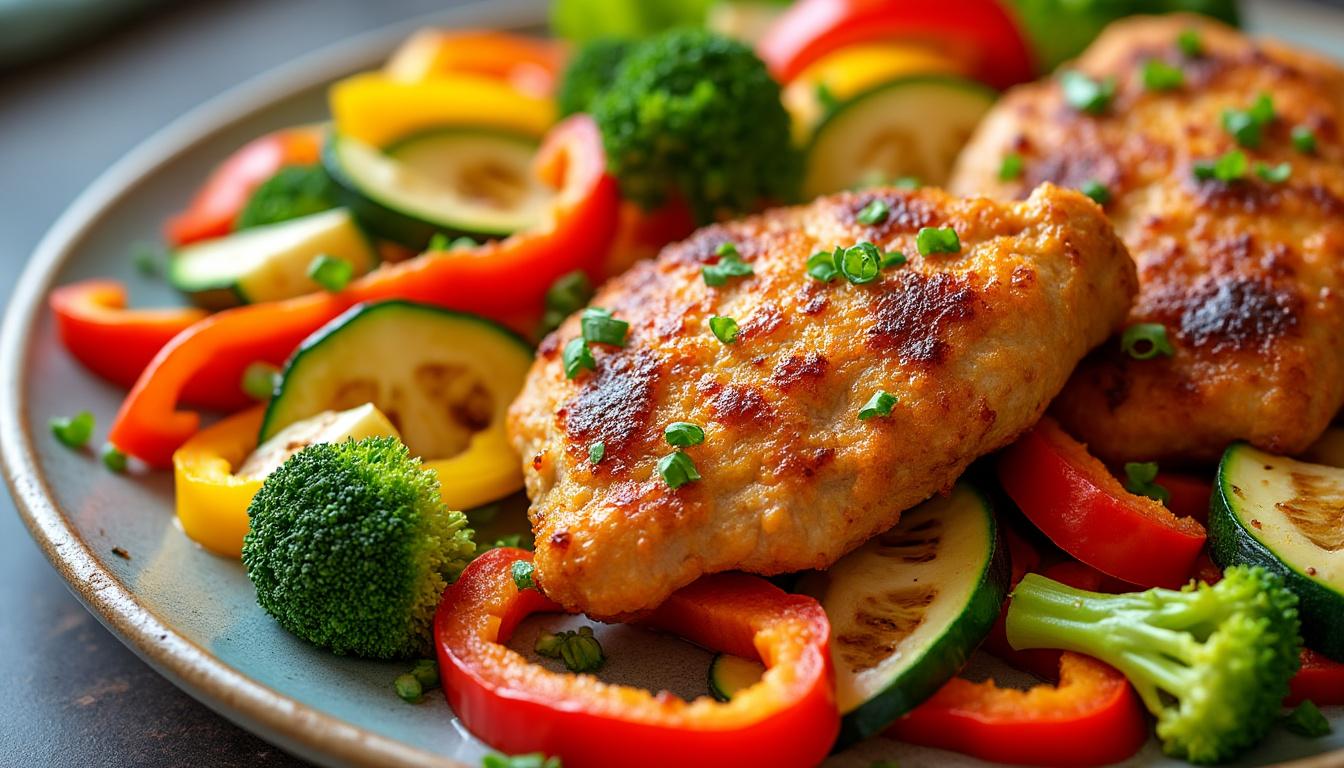
Creating a complete, balanced plate in under 20 minutes is a hallmark of the air fryer. A practical base recipe combines chopped chicken breasts with broccoli, zucchini, bell peppers, and onion, tossed in a light mix of olive oil and seasonings. This combination yields a meal that is naturally low carb, gluten-free, and dairy-free, while delivering a strong dose of protein and vitamins from the vegetables.
Start by chopping the chicken into uniform bite-sized pieces so they sear evenly. Toss the protein with 1–2 tablespoons of olive oil and a blend of garlic powder, chili powder or paprika, salt, pepper, and Italian seasoning. Add minced fresh garlic for an extra flavor layer if desired. Transfer to the preheated air fryer basket and cook at 400°F. For a typical 1-pound batch, 10 minutes with a shake at 5 minutes usually achieves a lightly charred, juicy finish.
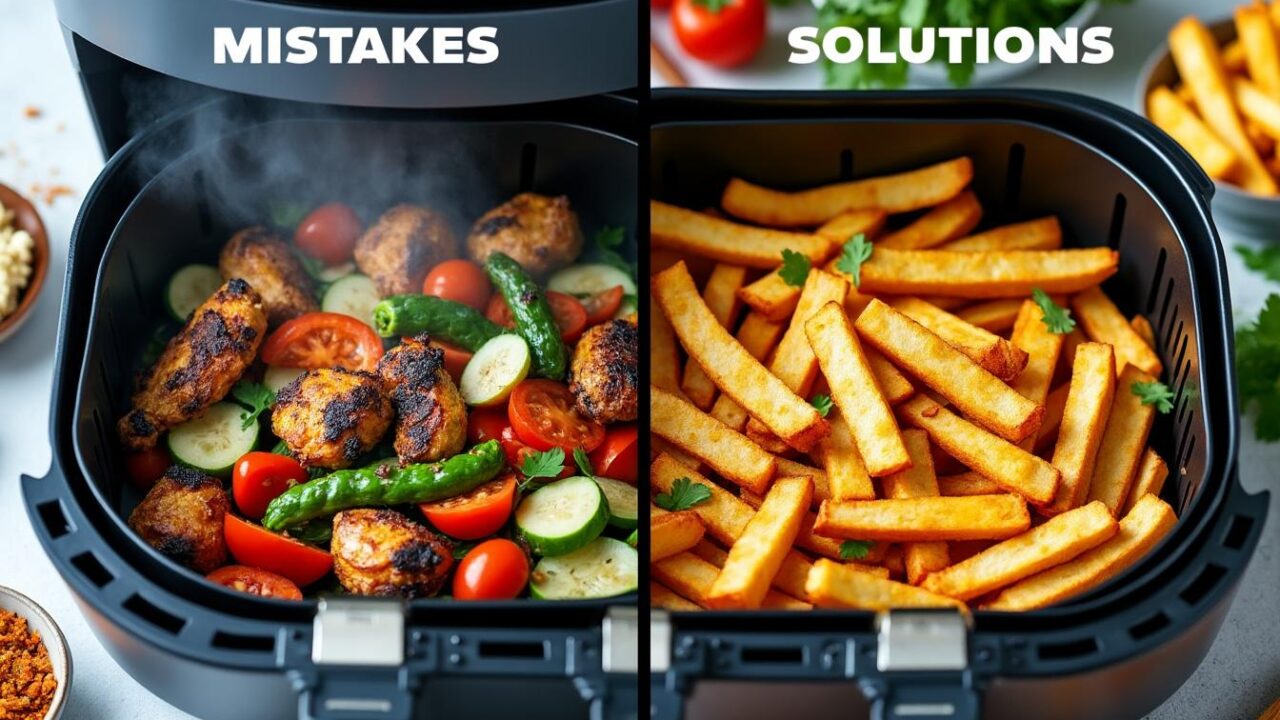
When incorporating frozen broccoli, no thawing is necessary—this is a convenient trick for meal prep nights. Root vegetables like potatoes require a short pre-cook of around 10 minutes to soften before adding the faster-cooking components. Cooking in batches can prevent overcrowding, which otherwise causes steaming rather than roasting.
Variations are easy: swap chicken breasts for boneless skinless thighs to increase fat slightly and produce a richer mouthfeel. For those seeking inspiration and tested recipes, curated collections can provide dozens of options that adapt well to the air fryer method and lean toward healthier outcomes.
Nutrition per serving for a typical portion: approximately 230 kcal, 26g protein, 8g carbs, and 10g fat, with around 3g fiber. These numbers are estimated and useful for meal planning. Such meals are ideal for weeknight cooking and for building weekday meal prep boxes.
Key insight: a simple toss-and-cook approach turns the air fryer into a reliable tool for quick, nutritious dinners ready in under 20 minutes.
Seasoning Strategies and Flavor Variations for Tasty, Low-Fat Chicken
Flavor is the bridge between healthy eating and repeated enjoyment. A well-chosen spice blend can make low fat preparations feel indulgent. The base seasoning—garlic powder, paprika or mild chili powder, salt, pepper, and an Italian herb mix—creates a savory template that pairs with nearly any vegetable combination.
For bolder profiles, consider these variations: Cajun or taco seasoning for a southern or Tex-Mex tilt, lemon-pepper for bright, citrusy notes, or a light teriyaki glaze for an umami finish. If using premixed blends that contain salt, reduce added salt to maintain balanced sodium. Swap fresh herbs at the end of cooking—torn basil, cilantro, or parsley—to preserve freshness and aroma.
Examples of pairing choices: pesto chicken with cherry tomatoes serves well over whole-grain pasta; teriyaki chicken pairs with steamed rice and edamame for a balanced bowl; al pastor-style chicken, marinated with achiote and pineapple, offers a smoky-sweet taco filling. Each adaptation benefits from the air fryer’s ability to crisp surfaces while preserving interior juiciness.
Spice experiments also support dietary goals. A lemon-oregano rub brightens a low-calorie dish, while a smokier paprika and cumin blend adds depth without additional fat. For those tracking micronutrients, combining colorful peppers and broccoli increases vitamin C and fiber, complementing the chicken’s protein and iron.
Key insight: strategic use of spice blends and finishing herbs converts simple air fryer chicken into varied, repeat-worthy meals without compromising health goals.
Meal Prep, Batch Cooking, and Practical Tips for Weeknight Success
Meal prep creates the conditions for consistent healthy eating, and the air fryer excels in batch cooking. The technique is straightforward: plan portions, prep ingredients, and stagger cooking to keep components fresh. Cooked chicken and vegetables hold well for 3–4 days in airtight containers, making them perfect for lunches or quick dinners.
Batch strategy example: prepare three pounds of seasoned chicken in two or three air fryer batches. Roast an array of vegetables simultaneously, using frozen broccoli and fresh zucchini to balance convenience and texture. Portion into containers with a grain or leafy green, and label for each day of the week. This method simplifies decision-making during busy workweeks or family schedules.
For households short on counter space, use stackable racks or consider a compact oven-roasting alternative: a sheet pan roasted at 450°F for 15–20 minutes yields similar results, though slightly slower and messier. This flexibility is especially useful when cooking for larger groups or when the air fryer size limits batch volume.
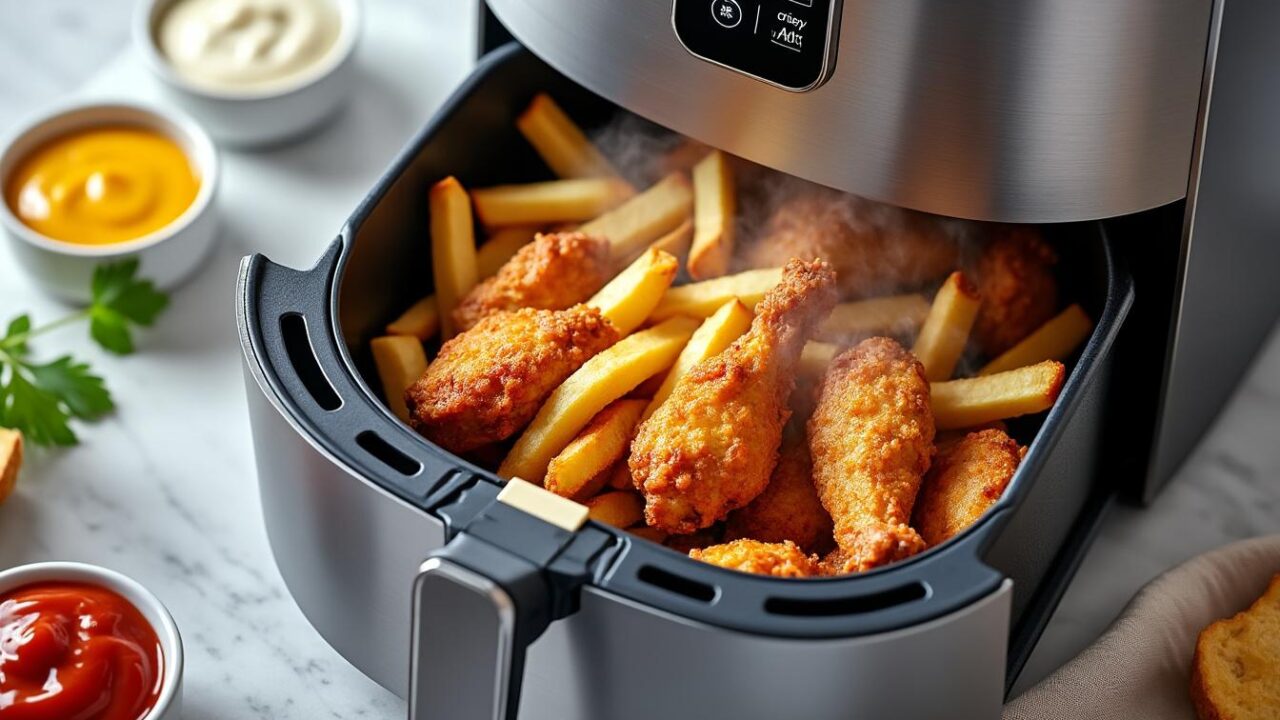
Storage and reheating tips: reheat in the air fryer at 350°F for a few minutes to regain crispness. Avoid microwaving for reheating when texture matters. Freeze portioned cooked chicken in meal-ready bags for meals up to two months; thaw overnight in the fridge before reheating. This pipeline supports efficient meal prep and reduces food waste.
Key insight: a disciplined batch-cooking routine turns the air fryer into an engine for weekday culinary resilience and nutrient-packed meal options.
Advanced Air Fryer Chicken Recipes and Global Inspirations to Keep Cooking Fresh
Beyond the basic plate, the air fryer adapts to global recipes that enhance variety and culinary education. From al pastor chicken to pesto or teriyaki adaptations, the appliance handles diverse flavor families with ease. These international spins keep meal rotation interesting and reveal new ways to approach proteins and vegetables.
Case study: a family dinner featuring air fryer chicken kabobs. Marinated in a citrus-herb blend and skewered with peppers and onion, kabobs produce even cook times and a festive presentation. For a different profile, chicken Manchurian—crispy chicken pieces coated lightly and finished in a tangy sauce—bridges Indo-Chinese flavors with air fryer efficiency.
For recipe sourcing and continuing inspiration, explore curated recipe lists and healthy collections that focus on air-fryer friendly dishes. These resources provide tested techniques and seasonal ideas for maintaining a repertoire of tasty meals that stay aligned with nutrition goals. They also help with the transition to oven-roasting when scaling up.
Finally, consider the role of cultural foodways in promoting satisfaction with healthy meals. Incorporating family favorite spices or weekend project recipes creates emotional value, encouraging long-term adoption of healthier cooking methods. The air fryer can be a point of culinary exploration rather than merely a convenience tool.
Key insight: leveraging global flavors and tested recipe collections ensures long-term enjoyment and nutritional balance when using the air fryer for chicken.
Essential Quick Reference Table: Cooking Times and Nutrition
| Item | Portion | Typical Time (400°F) | Approx. Calories |
|---|---|---|---|
| Chicken breast (bite-sized) | 1 lb | 10–12 min | ~230 kcal per serving |
| Chicken thighs (boneless) | 1 lb | 12–14 min | ~260 kcal per serving |
| Broccoli (fresh or frozen) | 1 cup | 6–8 min | ~55 kcal |
| Zucchini | 1 medium | 6–8 min | ~30 kcal |
Further reading and recipe inspiration can be found at curated recipe pages that focus on healthy air fryer chicken options and technical guides to using the appliance effectively. For example, collections showcasing top-rated chicken recipes and healthy adaptations offer a wealth of variations, while detailed how-to guides explain selection and maintenance of air fryers for best results. These resources make testing new combinations simple and reliable.
- Use uniform cuts for predictable cooking.
- Reserve minimal oil and prefer dry spice rubs for low fat results.
- Cook vegetables that require similar times together, and pre-cook root vegetables when needed.
- Reheat in the air fryer to restore crispness and texture.
- Rotate spice blends weekly to avoid palate fatigue.
External recipe collections and technical guides referenced: a practical air fryer chicken and veggies recipe that demonstrates a fast, flavorful approach; and a curated selection of top-rated air fryer chicken recipes that help expand technique and flavor repertoire.
Links for deeper exploration:
Gimme Delicious air fryer chicken and veggies provides a tested, under-20-minute recipe template.
Allrecipes’ best air fryer chicken gallery offers a broad range of crowd-pleasing options.
For technical tips on choosing and using appliances, consult a detailed guide that explains which brands are most reliable and how to get the best performance from an air fryer in 2026.
Can boneless skinless chicken thighs be used instead of breasts?
Yes. Thighs are a flavorful alternative that cook slightly longer and yield a juicier result. Adjust time by a few minutes and verify internal temperature reaches 165°F.
Is it necessary to use oil in the air fryer?
Only a minimal amount of oil is needed—often a tablespoon for a pound of chicken—to promote browning. Olive oil or a spray suffices for most recipes, preserving a low-fat profile.
Which vegetables work best with air fryer chicken?
Quick-cooking vegetables like bell peppers, zucchini, and broccoli pair best. Root vegetables can be included if pre-roasted for 8–10 minutes before adding the chicken.
How can meal prep be streamlined with an air fryer?
Batch-cook protein and vegetables, store them in airtight containers, and reheat in the air fryer for retained texture. Labeling and portioning simplifies weekday lunches and dinners.