
In brief:
- ⚡️ Quick wins: preheating and proper air circulation give frozen food a rapid start for a crispy texture.
- ⏱️ Timing matters: adjust cooking time for thickness and avoid crowding for even cooking.
- 🌡️ Control heat: temperature control and brief shakes ensure golden results without drying.
- 🧾 Safety first: follow food safety rules for frozen proteins and check internal temperature.
- 🛠️ Upgrade smart: accessories and simple hacks transform routine frozen meals into chef-level plates.
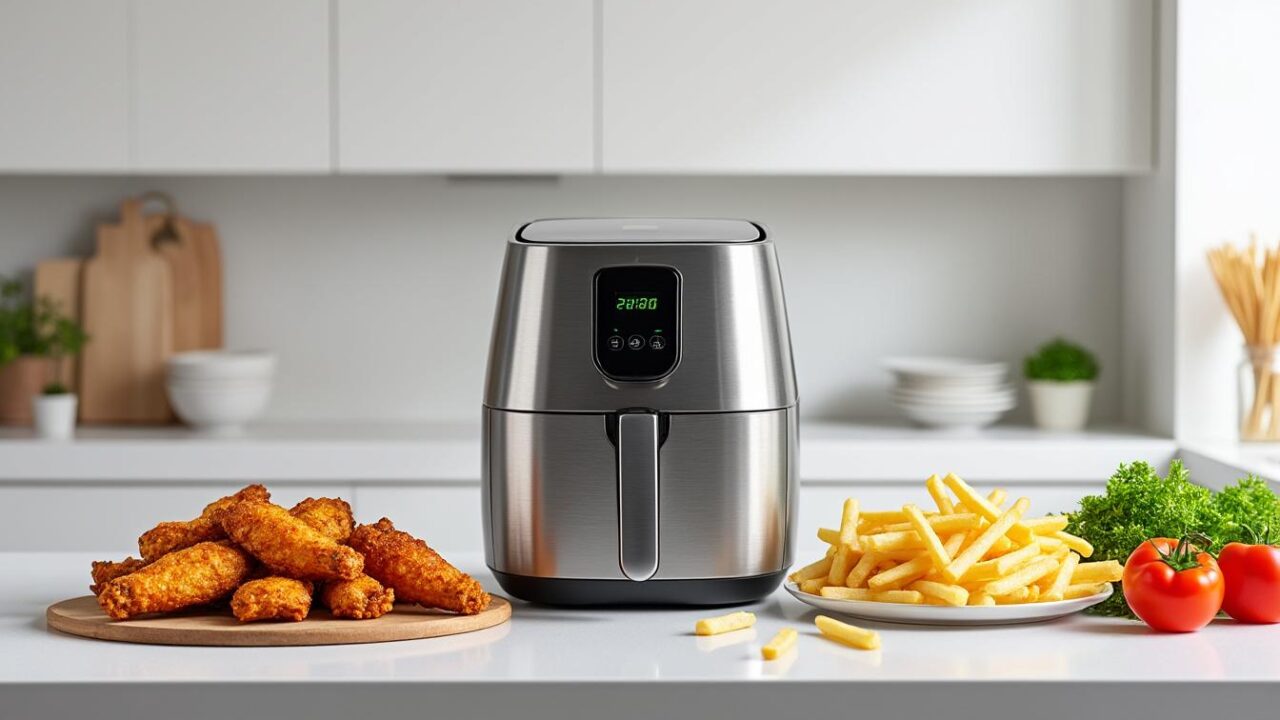
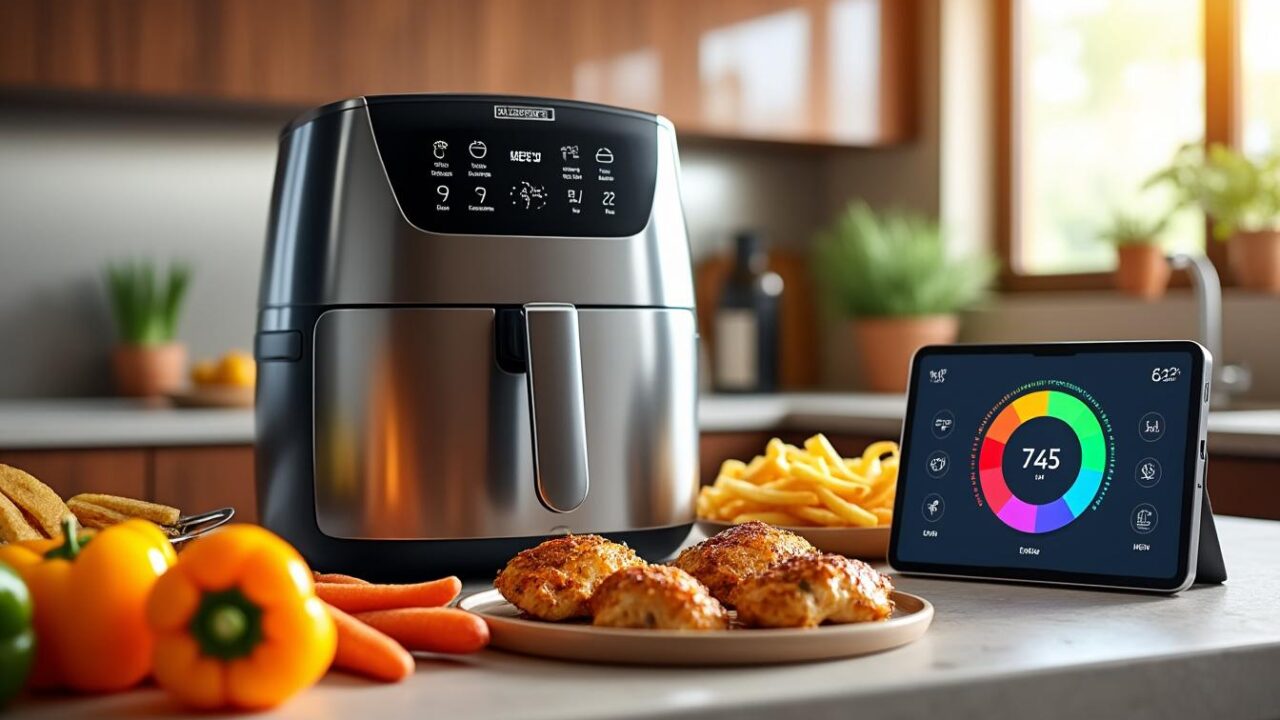
A downtown apartment cook and a small neighborhood café called Green Lane Kitchen share a ritual: turning humble frozen boxes into plates that crackle with life. The secret lies less in miracle recipes and more in mastering a few mechanical virtues of the air fryer: consistent air circulation, careful preheating, sensitive temperature control and respect for cooking time. When a busy weekday demands speed, frozen food can be a canvas—thin fish fillets crisp to the edges, bagged fries that regain their crunch, and breaded vegetables that stay tender inside. The cinematic sizzle arrives when items are arranged for airflow, when mid-cook flips are timed, and when the operator resists overloading the basket. This approach blends practical cooking tips with tiny rituals—a quick spray of oil, a 2-minute high-heat finish, a probe thermometer reading—that ensure even cooking and guard food safety. The following sections unfold concrete steps, sensory cues, and a few clever accessories that will elevate frozen staples into reliably delicious meals for any schedule. Each technique is paired with examples from Green Lane Kitchen’s busiest nights, demonstrating how a few disciplined moves produce unforgettable crispy textures and consistent results.
Essential air fryer preheating and temperature control for frozen food
Preheating is not optional; it is a small investment with big returns. A properly warmed air fryer jump-starts hot air and secures a crispy texture from the first minute, especially on thin or battered frozen items.
For step‑by‑step guidance on warming the oven-like chamber, consult a detailed guide on how to preheat an air fryer correctly for optimal cooking results. Green Lane Kitchen’s head cook always increases heat by 10–20°F for the first two minutes, then drops to target temp, ensuring an immediate sear without overcooking the interior.
Key insight: preheating stabilizes the environment so that temperature control yields consistent, repeatable outcomes.
How airflow and arrangement affect even cooking
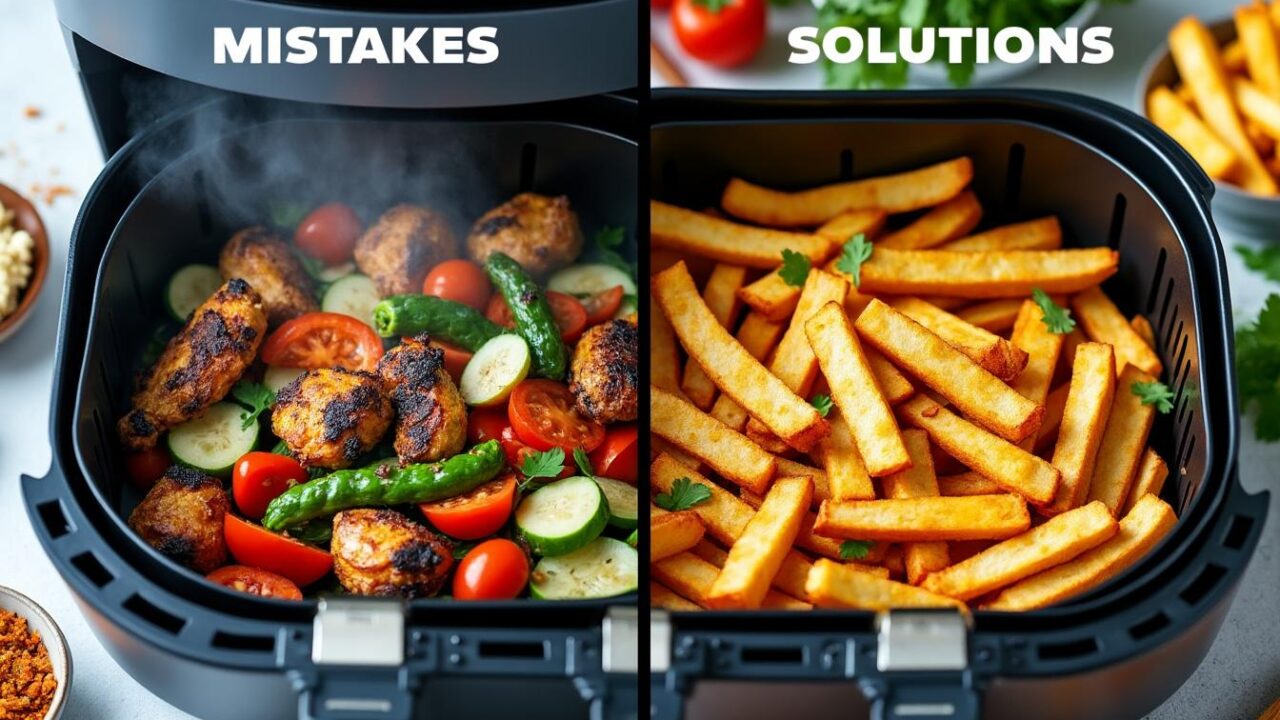
Spacing matters. Crowding the basket stifles air circulation and creates cold pockets where frozen morsels steam instead of crisp. Small batches with a loose single layer are the fastest route to uniform browning.
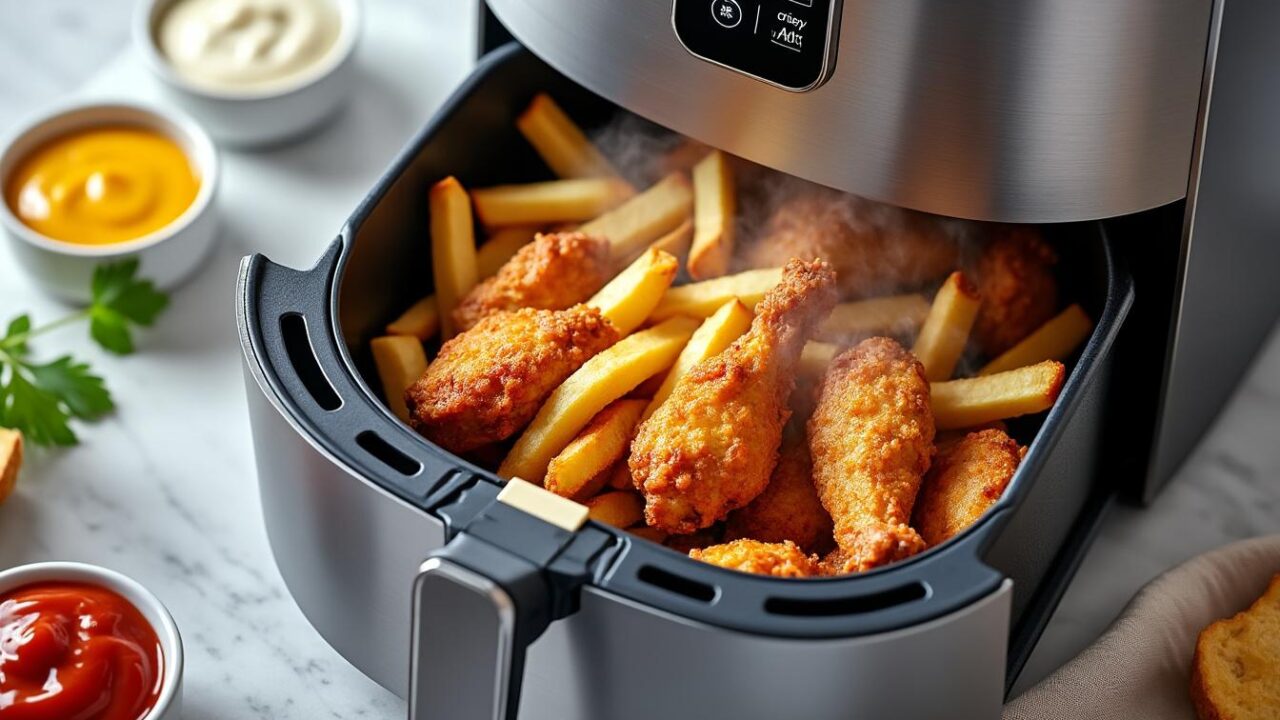
A café anecdote: during Saturday rush, the team batches fries in 2–3 rounds instead of one big load; total time increases slightly, but each plate arrives with superior crunch, proving that staggered cooking beats crowding every time.
Key insight: a little patience and deliberate arrangement equal dramatically better even cooking.
Practical cooking tips and adjustments for common frozen items
Frozen items are not identical—potatoes, seafood, and veggies differ in moisture and coating. Adjust the cooking time and temperature accordingly, and always finish with a quick high-heat blast for extra crisp.
For inspiration on turning frozen vegetables into standout sides, see guides such as how to make crispy and healthy air fryer zucchini every time, which offers specific timings and oiling tips transferable to many frozen veg.
Key insight: match heat and duration to texture goals—crisp exterior, moist interior—using targeted temperature adjustments.
Quick list: Reliable cooking tips for frozen food 🍽️
- 🔥 Preheat 3–5 minutes before adding food to lock in crispness.
- 🍳 Lightly oil battered items to encourage browning and reduce dryness.
- 🔁 Shake or flip halfway for even cooking and uniform color.
- ⏲️ Use a probe or check doneness a few minutes early; frozen items can finish faster than expected.
- 🧾 Always follow food safety rules for frozen proteins and verify internal temperatures.
Key insight: a short checklist practiced every time removes guesswork and elevates frozen meals.
After watching technique videos the team added a small tweak: a two-minute 400°F finish for battered items. The result: repeatable golden edges without toughness.
Accessories, hacks and scaling up without sacrificing quality
Accessories—mesh trays, racks, and perforated pans—expand capacity while preserving air circulation. Using a rack allows stacking with airflow between layers, ideal for small gatherings.
For advanced techniques and the right accessories to improve results, consult a practical resource about how to use air fryer accessories for better cooking results.
Key insight: the right tools scale capacity while maintaining even cooking and final texture.
Timing chart: common frozen foods, temps and tips
| Frozen Item 🍽️ | Temp (°F) 🌡️ | Time ⏱️ | Pro Tip 💡 |
|---|---|---|---|
| Frozen fries 🍟 | 380–400 | 12–16 min | Shake at 6–8 min for even cooking 😊 |
| Breaded chicken nuggets 🍗 | 375 | 10–14 min | Finish 2 min at 400°F for extra crispy texture 🔥 |
| Veg medley (broccoli/cauli) 🥦 | 360 | 8–12 min | Light oil spray, flip once to avoid sogginess 🥄 |
| Frozen fish fillet 🐟 | 390 | 10–14 min | Check internal temp for food safety, rest 2 min ✅ |
Key insight: treat these ranges as starting points and refine based on basket model and portion size.
Food safety, sensory cues and troubleshooting
Frozen convenience should never sacrifice safety. For proteins, confirm that the internal temp reaches safe levels per guidelines. Visual cues—golden edges, bubbling sauces, and internal flakiness—are useful additions to thermometer checks.
If items are soggy, increase temperature briefly or reduce batch size. If edges burn before center heats, lower temperature and extend time for gentler heat penetration.
Key insight: combine thermometer readings with sensory checks to ensure both safety and excellent texture.
Example case: Green Lane Kitchen’s Friday rush
On busy Fridays the kitchen relied on a three-step routine: preheating, small batches, short high-heat finishing. Shifts reported fewer remakes and higher customer satisfaction when staff adhered to these rules.
This routine demonstrates that disciplined application of core principles outperforms improvisation when volume rises.
Key insight: consistent process beats ad hoc adjustments under pressure.
{“@context”:”https://schema.org”,”@type”:”FAQPage”,”mainEntity”:[{“@type”:”Question”,”name”:”How long should an air fryer be preheated before adding frozen food?”,”acceptedAnswer”:{“@type”:”Answer”,”text”:”Preheat most models for 3u20135 minutes to stabilize heat and airflow. For very thick frozen items, a 5-minute preheat helps ensure an immediate sear for a crispy exterior.”}},{“@type”:”Question”,”name”:”Is it safe to cook frozen meat in an air fryer?”,”acceptedAnswer”:{“@type”:”Answer”,”text”:”Yes, but follow food safety practices: cook until recommended internal temperatures are reached, avoid overloading the basket, and allow brief resting time after cooking to complete heat distribution.”}},{“@type”:”Question”,”name”:”Why are some frozen vegetables soggy after air frying?”,”acceptedAnswer”:{“@type”:”Answer”,”text”:”Sogginess often results from overcrowding or too low a finishing temperature. Use a light oil spray, avoid layering, and finish with a short high-heat interval to restore crispness.”}},{“@type”:”Question”,”name”:”Can accessories help when cooking frozen food for a crowd?”,”acceptedAnswer”:{“@type”:”Answer”,”text”:”Yes. Mesh trays and elevated racks improve air circulation and enable staging multiple layers with airflow between items, allowing larger batches without sacrificing texture.”}}]}How long should an air fryer be preheated before adding frozen food?
Preheat most models for 3–5 minutes to stabilize heat and airflow. For very thick frozen items, a 5-minute preheat helps ensure an immediate sear for a crispy exterior.
Is it safe to cook frozen meat in an air fryer?
Yes, but follow food safety practices: cook until recommended internal temperatures are reached, avoid overloading the basket, and allow brief resting time after cooking to complete heat distribution.
Why are some frozen vegetables soggy after air frying?
Sogginess often results from overcrowding or too low a finishing temperature. Use a light oil spray, avoid layering, and finish with a short high-heat interval to restore crispness.
Can accessories help when cooking frozen food for a crowd?
Yes. Mesh trays and elevated racks improve air circulation and enable staging multiple layers with airflow between items, allowing larger batches without sacrificing texture.