

Can air fryers cause fires or other safety hazards? what you need to know
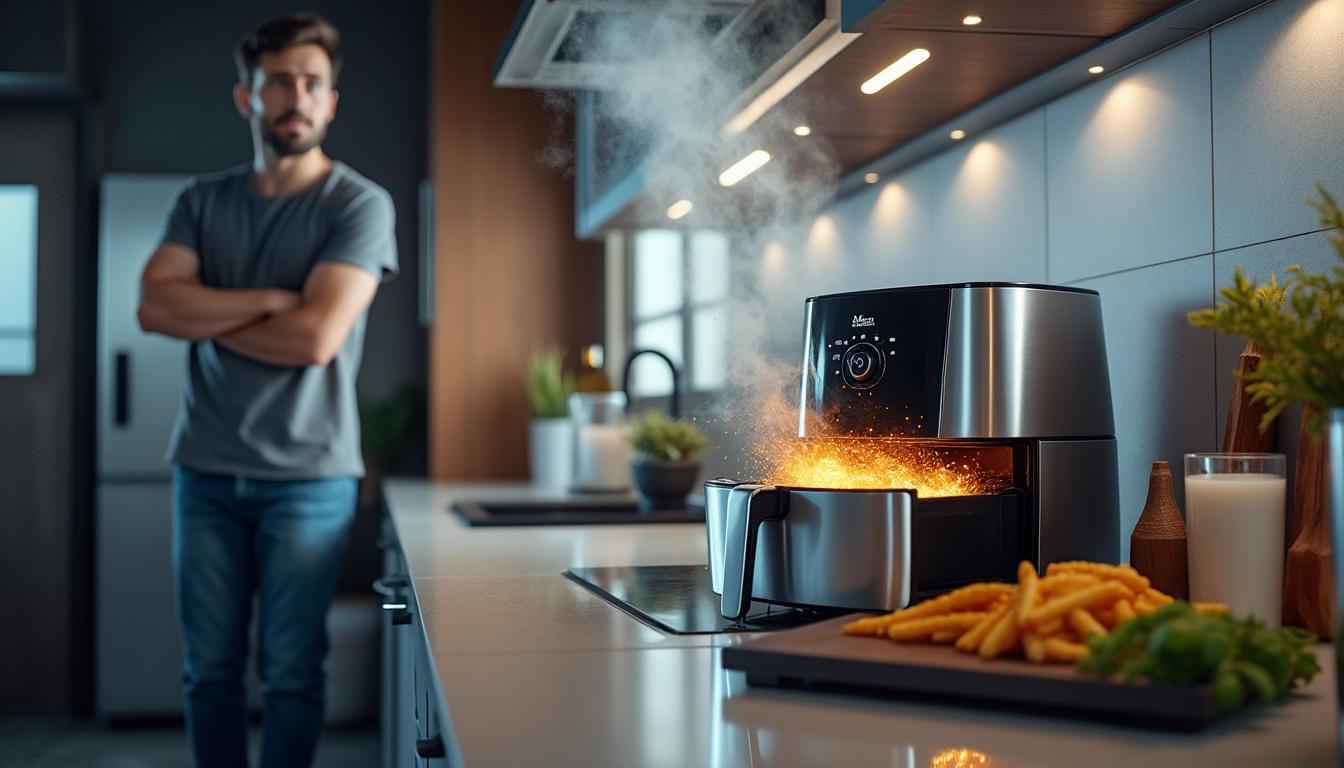
The surge of air fryers in modern kitchens has come with both convenience and questions about safety. High-temperature convection and compact designs mean that these popular appliances can reach interior temperatures near 500° F, and exterior surfaces and vents can climb into ranges that cause burns or even pose a fire risk. Recent consumer safety reports and a spate of recalls have highlighted scenarios where overheating, grease buildup, or damaged power-cord insulation contributed to incidents. This article examines measurable hazards, everyday practices that lower risk, and the technical and behavioral fixes that make air fryers safer in 2026 kitchens. Practical examples from a small urban test kitchen and summarized lab data illuminate how placement, maintenance, and model selection intersect with kitchen appliance safety, electrical safety, and fire prevention strategies.
In brief
- Air fryers operate at very high heat; interiors can exceed 400° F while vents and exterior surfaces may reach levels that cause immediate burns.
- Many incidents stem from overheating, grease accumulation, blocked vents, or damaged cords—regular appliance maintenance is essential.
- Fire hazards are usually preventable: maintain clearance, use heat-resistant surfaces, and avoid flammable materials nearby.
- Inspect cords every 1–3 months, follow manufacturer guidance, and opt for models with cool-touch features and automatic shutoff for improved electrical safety.
- When in doubt, consult reputable testing and safety resources for model-specific risks and recall notices to reduce safety risks.
Do air fryers cause fires? Understanding the fire hazards and overheating mechanisms
Air fryers generate intense convection heat to crisp food quickly, which explains their popularity and their risks. The cooking chamber can reach temperatures commonly set between 375° F and 400° F, and some interiors measured near an average of 428° F during lab runs. That concentrated heat, combined with grease or oil, increases the potential for cooking fires if the unit is misused or poorly maintained.
How heat becomes a hazard
The heating element and high-speed fan push hot air through the basket to simulate frying. Hot air inevitably finds exits: vents at the back and gaps around controls or seams. In lab evaluations, vent surfaces averaged around 193° F and peaked at more than 230° F, while the basket exterior averaged about 180° F with peaks above 200° F. These temperatures are high enough to cause burns rapidly and to damage nearby surfaces or insulation on cords—an electrical safety concern.
Real-world incidents and recalls
Across product-safety reporting platforms, reports of air fryer malfunctions have increased in recent years, culminating in numerous recalls for defects that cause breakage or burn hazards. In the last three years, at least 41 models were recalled for issues ranging from faulty connectors to overheating components. One typical recall involved a broken connector between baskets that created burn risks when users handled the device. Safety tracking sites and appliance-focused investigations provide case studies and technical explanations for these failures.
Even if a fire is uncommon, the combination of overheating and flammable debris can rapidly escalate. For practical guidance on avoiding heat and burn hazards, the Consumer Reports evaluation offers detailed temperature measurements and safe-use recommendations that are useful for consumers seeking lab-backed safety practices: detailed heat-hazard guidance.
Across both lab and kitchen anecdotes, the pattern is clear: blocked vents, excessive oil, and damaged cords are frequent precursors to incidents. For broader context on how fires start and how to reduce risk, accessible resources that synthesize consumer reports and incident narratives—such as practical guides on preventing appliance-related fires—offer step-by-step checklists for safe operation and placement: safety tips from appliance testers.
By appreciating the mechanics—hot air circulation, vent discharge, and the heat that migrates to external surfaces—users can anticipate and mitigate risks before they become emergencies. Key insight: understanding where heat concentrates on an air fryer is the first defense against both burns and cooking fires.
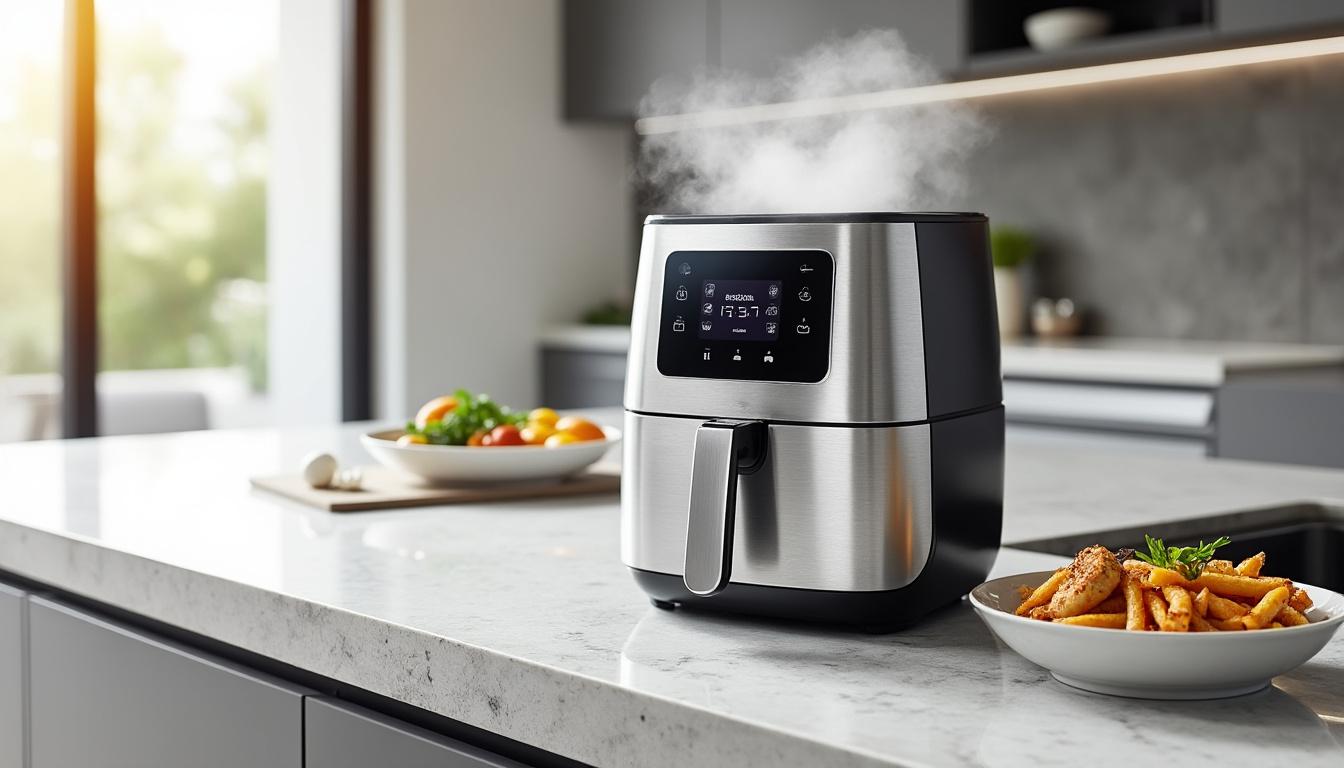
Fire prevention through placement and ventilation: where to put an air fryer safely
Placement and ventilation are the simplest yet most effective defenses against air-fryer-related fire hazards. Even a high-performing model becomes a safety risk when placed too close to walls, cabinets, or flammable objects. The vent can blow hot air and grease toward nearby surfaces, potentially damaging finishes or cord insulation and creating conditions for an ignition event.
Clearance guidelines and practical placement
Maintain at least 4–5 inches of space behind the unit and leave clearance on both sides. Place the air fryer on a flat, heat-resistant countertop—stone, quartz, or metal trays are preferable. Avoid plastic placemats or wooden cutting boards under the unit while operating. In a 2026 urban café scenario, the small team at Harper & Co. Kitchen altered their prep layout after a near-miss: an air fryer vent directed heat at a wooden spice rack, which discolored and became brittle over repeated runs. Repositioning and adding a metal heat shield eliminated the hazard.
Ventilation and kitchen airflow
Good airflow helps disperse heat and steam. Use range hoods or portable exhaust fans if cooking continuously or when multiple appliances run simultaneously. Never place the unit under an upper cabinet where heat is trapped; enclosed spaces concentrate heat and may increase the risk of fire. Air filters and grease-trapping accessories are useful, but only when airflow remains unobstructed.
List: Quick placement checklist
- Leave at least 4 inches behind and 4 inches on the sides of the unit.
- Use a heat-resistant surface; avoid plastic mats under the unit.
- Keep flammable items—paper towels, curtains, wooden utensils—away from the vent.
- Do not block vents or place the air fryer below cabinets.
- Allow one hour of cooling before moving or storing the appliance.
For guidance on common risk scenarios and preventive measures, consumer-facing safety articles discuss both the mechanics of fire initiation and how to adapt kitchen setups: practical fire-prevention scenarios and model-specific warnings. These resources complement hands-on strategies for preventing overheating and reducing the chance of cooking fires.
Placement, simple ventilation adjustments, and mindful kitchen layout changes are low-cost steps that yield substantial safety gains. Key insight: arrangement and airflow often determine whether an appliance operates safely or becomes a fire hazard.
Electrical safety and appliance maintenance: preventing shocks, cord damage, and malfunctions
Electrical safety connects directly to fire prevention. The vented hot air from an operating air fryer can degrade cord insulation over time if the cord runs directly behind the unit where temperatures concentrate. Damaged cords present both fire and electrocution risks, which is why recurring inspection and proper cord management are central to safe operation.
Inspection routines and frequency
Perform basic inspections every one to three months. Look for frayed wires, melted insulation, discoloration, burn marks on the plug, or loose connections. If any signs of wear or heat damage appear, discontinue use and contact the manufacturer or a qualified technician. Harper & Co.’s head cook implemented a monthly checklist in 2025: cord condition, plug firmness, and a quick run at medium heat to detect abnormal smells. The routine discovered a frayed cord due to a cramped cabinet layout and prevented a potential hazard.
Safe cord management and grounding
Keep the power cord away from hot surfaces and water. Do not tuck the cord where it can rest against the vent or under the appliance. Always plug into a grounded outlet and avoid multi-outlet adapters that bypass grounding. If the unit requires more than its dedicated outlet can provide, consider relocating to a higher-capacity circuit to prevent overloads.
Cleaning, maintenance, and the role of grease
Grease buildup inside the basket or around the heating element increases the chance of smoke and spontaneous ignition. Regular cleaning—removing crumbs, wiping oil, and washing removable parts—reduces that risk. Never immerse the base with the electronics and always unplug before cleaning. Follow manufacturer recommendations for deep cleans and filter replacement schedules to sustain appliance performance and safety.
Recalls often result from electrical faults or structural issues that create hazards. Monitoring recall lists and safety notices is part of responsible ownership; third-party safety summaries and recall trackers help identify unsafe models quickly. For deeper troubleshooting and maintenance routines, comprehensive guides explain how to clean and maintain longevity while minimizing risk: maintenance and cleaning recommendations.
Proper electrical practices, routine inspections, and timely maintenance prevent small defects from turning into major safety events. Key insight: regular checks and disciplined cord care drastically lower electrical safety risks tied to air fryers.
Handling burns, scalds, and safe cooking practices to reduce injury and cooking fires
Burns and scalds are the most immediate risks when interacting with a hot air fryer. While handles are often designed to remain cool, other touchpoints—basket exteriors, vents, and the unit’s top—can be dangerously hot. Steam released when opening the basket adds a scald dimension that can surprise even seasoned cooks.
Techniques to avoid burns and steam injuries
Always open the basket slowly, tilting away from the face and hands to let steam escape safely. Use oven mitts, heat-resistant gloves, and tongs whenever interacting with hot components. Keep children and pets clear of the cooking area until the unit cools. In a recent neighborhood incident, a hurried attempt to remove fries led to a steam burn; adopting a “wait 30 seconds” rule before accessing the basket eliminated repeat mishaps at that household.
Food handling, portion control, and avoiding smoke
Overloading the basket blocks airflow and can lengthen cook times, potentially increasing surface temperatures and smoke. Use the manufacturer’s capacity guidance, and spread food in a single layer for best heat circulation. Excess oil, particularly unfiltered oils, can smoke or ignite; opt for measured sprays or a light brush of oil and clean the basket thoroughly between uses to prevent residue buildup that produces smoke.
Cooking tips and utensil choices
Avoid metal utensils that might scratch non-stick coatings or come into contact with heating elements. Prefer silicone, wooden, or heat-safe nylon tools. Adjust cooking times for thickness and density; a food thermometer helps verify doneness without repeated opening and heat loss. For troubleshooting smoky runs, step-by-step troubleshooting guides offer techniques to remove residues and restore safe, consistent cooking: troubleshooting smoky air fryer issues.
Safe handling reduces both personal injury and the likelihood of creating conditions that lead to cooking fires. Key insight: patient, deliberate handling—paired with correct load sizes and cleaning—keeps burns and cooking fires rare.
Choosing safer air fryer models and best practices for purchase and ownership in 2026
Buying choices influence long-term kitchen appliance safety. Look for designs with well-placed vents, cool-touch exteriors, auto-shutoff features, and robust warranties. In 2026, manufacturers increasingly compete on safety certifications and protective features—consumers should weigh these factors alongside performance and price.
What to look for when buying
Select models that clearly document placement and ventilation guidance in the manual. Seek third-party testing or recommended lists from reputable sources. Models with safety-focused design—raised feet, rear heat shields, and insulated cords—reduce immediate hazards. A quick cross-check against recent recall notices is a prudent step; sites that monitor appliance recalls provide searchable listings for buyers researching specific models.
| Feature | Why it matters | What to look for |
|---|---|---|
| Cool-touch handle | Prevents contact burns when removing food | Thick insulated handle, independent of basket temperature |
| Venting design | Directs hot air away from surfaces and cords | Rear vent with heat shield and 4+ inch clearance guidance |
| Auto shutoff / timers | Prevents overheating if left unattended | Clear, reliable auto-off mechanism with audible alert |
| Certified components | Lower risk of electrical faults | UL/ETL listing or equivalent safety certification |
Ownership practices that extend safety
Register new appliances to receive recall notices and firmware or design updates. Keep a maintenance log—cleaning dates, part replacements, and inspection notes—to build a safety routine. Community kitchens and cafes can institute shared protocols: designate a trained staff member responsible for daily checks and centralized storage away from combustible materials.
When model-level performance and safety testing are needed, impartial reviews and lab reports can guide choices. For example, comparative safety articles and model analyses help prospective buyers balance cost against protective features: model risk comparisons and fire-risk summaries and broader consumer guides to common fire causes. Prioritizing safety in purchase decisions reduces long-term hazards and improves household resilience.
Key buying insight: choose models with explicit safety features and documented testing, and pair purchase decisions with disciplined maintenance to minimize future risks.
- Inspect the power cord and plug every 1–3 months.
- Maintain at least 4–5 inches clearance around the unit.
- Clean removable parts after each use to prevent grease build-up.
- Use oven mitts and tongs; open the basket slowly to avoid steam burns.
- Register the product and monitor recall lists periodically.
Can an air fryer actually catch fire?
Yes, but it is uncommon. Most cooking fires linked to air fryers arise from grease buildup, excessive oil, blocked vents, or damaged electrical components. Proper cleaning, correct placement, and regular cord inspection significantly reduce this risk.
How far should an air fryer be from walls or cabinets?
Maintain at least four to five inches of clearance behind and around the air fryer to allow heat to dissipate and prevent damage to nearby surfaces or cord insulation.
How often should the air fryer be inspected for safety issues?
A basic safety inspection every one to three months is recommended. Check for frayed cords, loose plugs, excessive residue, and ensure vents are not obstructed.
Are some air fryers safer by design?
Yes. Look for cool-touch exteriors, rear vent shielding, automatic shutoff, third-party safety certifications, and clear manufacturer instructions. Models with these features typically pose fewer safety risks when used according to guidelines.