

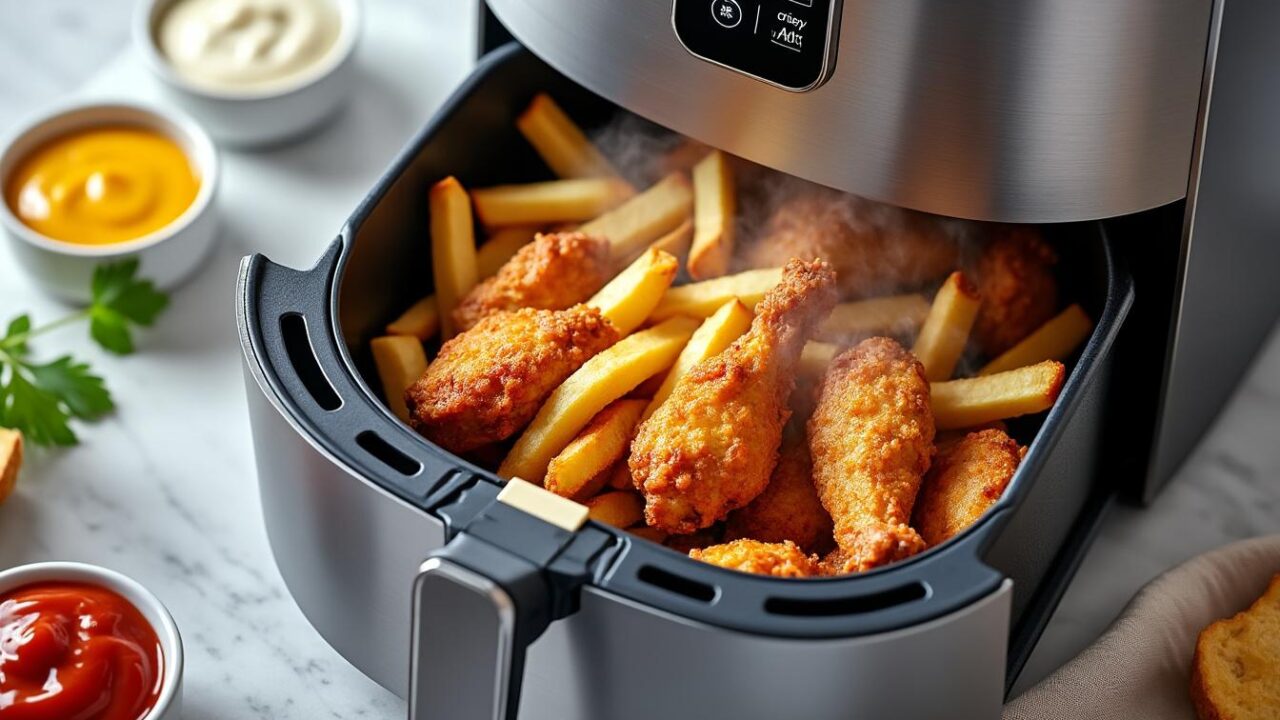

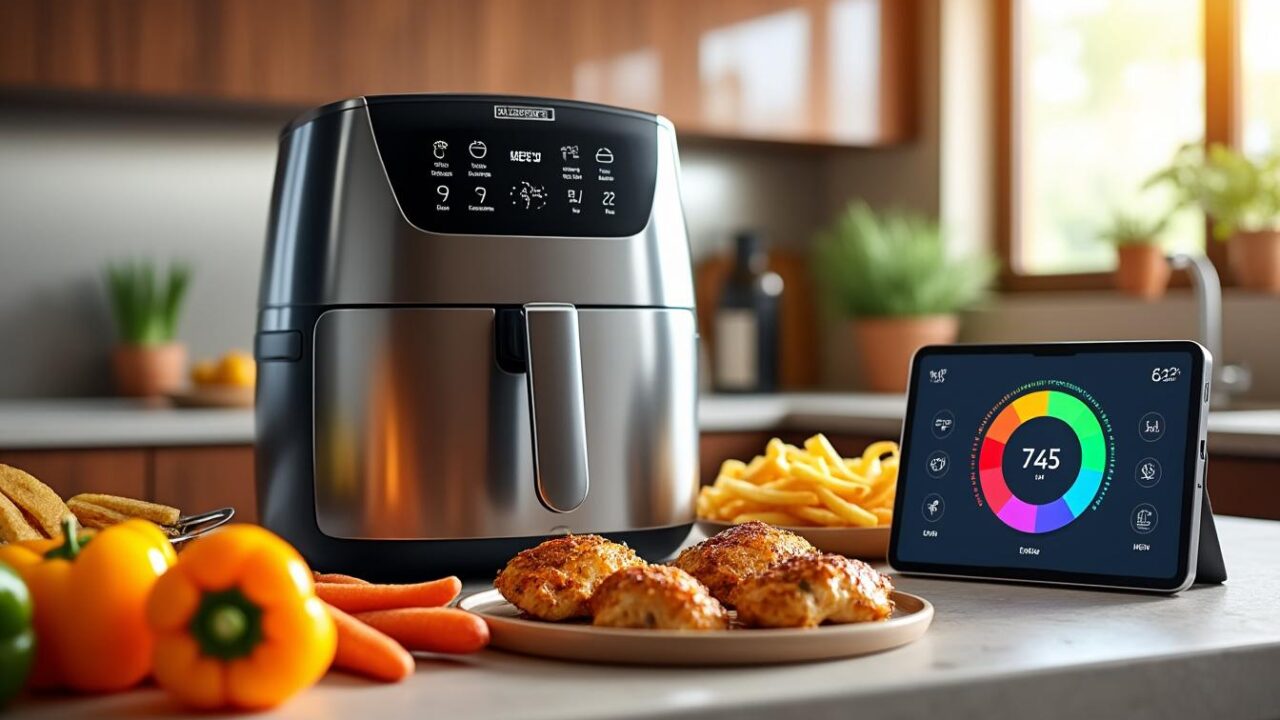
How to troubleshoot common air fryer problems effectively
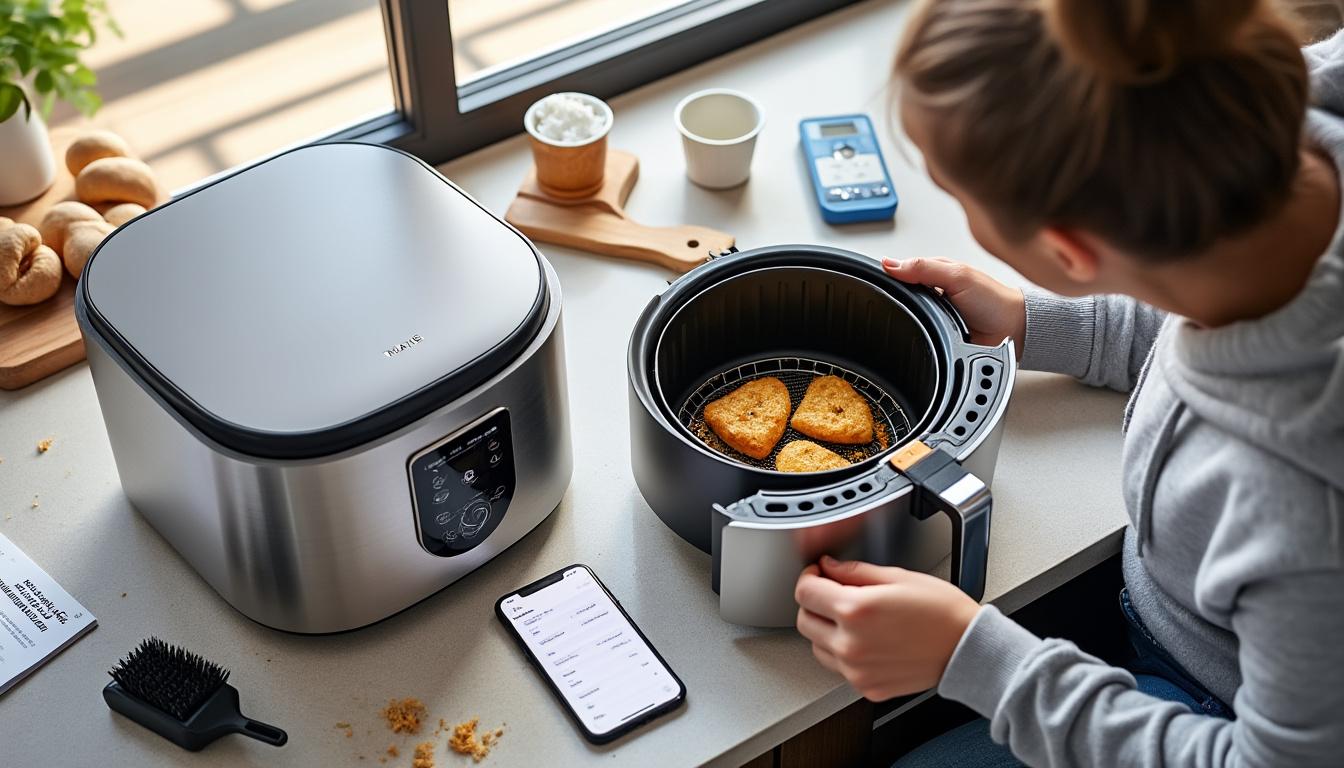
Modern kitchens prize speed and texture, and the air fryer delivers both—until it doesn’t. This feature examines the mechanics behind frequent failures and the practical steps that rescue meals and extend appliance life. A home cook named Maya appears throughout as a recurring example: an urban food enthusiast who relies on an air fryer for weeknight dinners and weekend experiments. Maya’s small victories — freeing a stuck basket, banishing a stubborn smoke issue, and decoding error codes — offer a narrative thread that clarifies common causes and realistic fixes. The focus is on systematic air fryer troubleshooting, from power checks and sensor resets to safe component swaps and preventive maintenance. Practical tips are paired with safety warnings and manufacturer-aware guidance, so readers can decide when to DIY and when to contact support. The tone stays descriptive and directed, giving precise sequences, concrete examples, and easy-to-follow routines that restore crisp results and reduce service calls.
- Quick checks first: always rule out power, outlet, and basket seating.
- Clean regularly: grease buildup commonly causes smoke and poor heating.
- Shake and preheat: prevent air fryer uneven cooking by using single layers and a brief preheat.
- Know the codes: common error messages often point to simple fixes like cooling or sensor cleaning.
- When to call support: persistent burning smells, sparks, or repeated error codes signal professional service.
Understanding how an air fryer works and the most common indicators of failure
Air fryers create crisp textures by moving hot air around food with a fan and a heating element. The core parts — heating element, fan, temperature controls, timer, and safety interlocks — work in tandem. When one part misbehaves, results shift from golden to disappointing. A clear grasp of these roles helps with targeted air fryer troubleshooting.
Consider Maya’s first problem: the unit powered on but produced only lukewarm air. A descriptive inspection revealed fine black carbon on the heating coil and a clogged vent. The symptoms—power without heat—point directly at the air fryer not heating scenario. Thus, a basic diagnosis begins with the simplest cause: airflow and element condition.
Indicators to watch for include lights without heat, a silent fan, unresponsive touchpads, unusual noises, persistent smoke, and uneven results across the basket. Each of these hints at a likely domain. For instance, if the fan is silent but the element glows, the issue leans toward the motor or a jam. If the display freezes but the fan spins, the control board might be unstable. If smoke is present, grease or a damaged non-stick coating is suspect — a common air fryer smoke issue.
Mapping symptoms to components reduces wasted steps. Use this simple heuristic:
- If the light is on but no heat — check thermostat and heating element.
- If fan doesn’t spin — inspect for debris and the fan motor.
- If basket detector reports error — clean the sensor strip and reseat the basket.
- If control panel freezes — perform a power reset and check for moisture.
This descriptive approach encourages safe exploration: unplug, wait for the unit to cool, then remove the basket and check the cavity for crumbs, oil pools, or foreign objects. Real-life scenarios demonstrate that many faults arise from small obstructions: popcorn kernels lodged behind rails, grease pools under the heating element, or a torn cord. These are easy to spot with the unit open and a flashlight.
Key insight: recognizing a symptom narrows the repair path and turns guessing into an efficient diagnostic process.
Basic step-by-step fixes: power, seating, cleaning, and resets
Start every troubleshooting session with low-tech checks. The mantra is simple: power, placement, cleanliness. If the air fryer won’t turn on, the most likely culprits are the outlet, the plug or a tripped circuit. Plug a lamp into the same socket to verify power. If the outlet is controlled by a wall switch, ensure it is on. Avoid extension cords that can underdeliver current and trigger instability.
Maya’s second problem involved intermittent starting. The basket was slightly misaligned and the unit’s safety switch prevented operation. Reseating the basket fixed the issue instantly. This demonstrates the importance of checking interlocks: many models refuse to start unless the drawer is correctly inserted.
Cleaning is the unsung hero of air fryer maintenance. Food residue builds up and muffles airflow, leading to air fryer uneven cooking and air fryer smoke issue. For everyday care, remove the basket and tray, wash with warm soapy water, and dry thoroughly. For tougher grease, prepare a paste of baking soda and water. Apply, let sit, and scrub gently with a non-abrasive pad to protect non-stick coatings.
Some users prefer a steam-assisted clean: add equal parts water and white vinegar to the basket and run the air fryer at 300°F (150°C) for ten minutes. This loosens baked-on oils and neutralizes odors. After cooling, wipe out debris and clean the heating element area carefully with a damp cloth. This method mirrors advice from detailed resources like the comprehensive troubleshooting guide and practical maintenance tutorials.
Resetting the unit often clears control glitches. Unplug for 10 minutes or press a dedicated reset button if available. Some models also respond to a long-press of the power button. If the control panel remains unresponsive, check for trapped moisture and allow the appliance to dry. Running a short empty cycle can also evaporate residual condensation if no burning odors are present.
Finally, confirm settings: an incorrect timer or low temperature can mimic a heating fault. Always preheat where recipes recommend; preheating evens initial temperature and improves crisping. For detailed preheat and usage guidance, consult a step-by-step resource on how to preheat an air fryer correctly.
Key insight: systematic, low-risk checks restore most functions without tools—start simple, then escalate.
Advanced diagnosis and safe component checks: multimeter use, replacement parts and warranty considerations
When basic steps don’t solve the problem, deeper investigation becomes necessary. A multimeter can reveal continuity failures in the heating element or switches. For those comfortable with basic electrical safety and with the appliance unplugged, test the heating element across its terminals. A lack of continuity indicates a broken element and explains an air fryer not heating condition.
Maya encountered a burned-out heating coil after years of heavy use. The element showed no continuity and was visibly oxidized. Replacing the element restored full heat, but the decision to replace components depends on warranty status and part availability. Always check the manual and manufacturer support first; some repairs void warranties if performed by unapproved technicians.
Fan issues often manifest as rattling or grinding noises. After unplugging and cooling, remove the basket and inspect the fan for debris. If the fan motor is failing, replacement kits can be sourced from manufacturer parts stores or reputable third-party suppliers. Replacing a fan tends to be more technical and may involve disassembling the housing; if unsure, contact support or a certified appliance repair center.
Use a table to compare common issues, likely causes, and recommended next steps. This structure helps prioritize action and weighs DIY vs professional repair.
| Issue | Possible Cause | Recommended Action |
|---|---|---|
| Air fryer won’t turn on | Power outlet, plug damage, safety interlock | Check outlet, test with lamp, inspect cord, reseat basket |
| Air fryer not heating | Burned heating element, thermostat, blown fuse | Inspect element, test continuity, contact manufacturer |
| Air fryer smoke issue | Grease buildup, damaged coating, excess oil | Deep clean, vinegar cycle, replace pan if coating fails |
| Fan noise/grinding | Debris in blades, failing motor | Clean fan, if noise persists replace motor or seek repair |
For anyone ready to attempt parts replacement, document each step, take photos during disassembly, and label screws. This habit reduces reassembly errors. If the unit shows persistent error messages tied to sensors, refer to manufacturer diagnostics rather than guessing. Many modern models include firmware updates or app-linked diagnostics that help interpret codes. Further reading on component-level fixes and user experiences is available in guides like how to fix a malfunctioning air fryer and technical walkthroughs hosted at specialist sites.
Key insight: a multimeter and methodical testing separate replaceable failures from control-board or sensor problems that require professional service.
Preventive routines, handling smoke and smells, and everyday practices to fix air fryer issues before they start
Prevention outperforms repair. A short maintenance calendar prevents the most common malfunctions and reduces service needs. Daily wiping, weekly vent checks, monthly deep clean cycles, and an annual inspection of cords and seals keep an air fryer productive for years. These steps also address frequent consumer complaints about air fryer uneven cooking and lingering odors.
Maya’s nightly ritual included emptying crumbs into the bin and wiping the cavity with a damp cloth. Weekly, the basket and tray received a soak in hot soapy water, while the vent openings were brushed free of dust. Monthly, a vinegar steaming cycle loosened grease and refreshed seals. These small actions prevented the smoking episodes that used to require frantic post-meal scrubbing.
When smoke appears during cooking, immediate action protects the appliance and the kitchen. Turn the unit off, unplug it, and allow it to cool slightly before inspecting. Remove the basket and pan; look for oil pools or carbonized food. Clean thoroughly before the next use. If smoke persists despite cleaning, the non-stick coating may be degrading and releasing fumes. Replace the basket or seek manufacturer guidance, as coating failure can be unsafe.
Choose appropriate oils and avoid excessive spraying. Light sprays or a single teaspoon of oil often suffice. Avoid overcrowding, which traps steam and causes sogginess rather than crisping. Preheating for three to five minutes ensures immediate hot air contact and reduces uneven results — practical preheat instructions and tips appear in curated usage guides such as the one on how to clean and maintain your air fryer.
Keep a short troubleshooting log: record symptoms, date, action taken, and outcome. This small habit reveals patterns, such as persistent smoke every time a certain frozen product is cooked, suggesting a change in technique rather than a mechanical defect. Use silicone or wooden utensils to protect coatings and store the appliance covered and dry. Replace worn non-stick baskets before they fail; manufacturers often sell spare parts at reasonable cost.
Key insight: routine maintenance eliminates most emergencies and preserves performance, making the air fryer a reliable kitchen ally.
{“@context”:”https://schema.org”,”@type”:”FAQPage”,”mainEntity”:[{“@type”:”Question”,”name”:”Why is my air fryer not turning on?”,”acceptedAnswer”:{“@type”:”Answer”,”text”:”First check the power outlet and cord, then verify the basket is fully seated. If the outlet and plug are fine but the unit remains dead, inspect for a tripped breaker or a blown internal fuse and contact the manufacturer if under warranty.”}},{“@type”:”Question”,”name”:”What should be done if the air fryer smokes during use?”,”acceptedAnswer”:{“@type”:”Answer”,”text”:”Turn the unit off and unplug it, then inspect and clean the basket, tray, heating element, and vents. Use a vinegar steam cycle for stubborn grease. If smoke continues, consider replacing the basket due to coating damage and contact support.”}},{“@type”:”Question”,”name”:”How to fix uneven cooking in an air fryer?”,”acceptedAnswer”:{“@type”:”Answer”,”text”:”Avoid overcrowding, preheat the unit, shake or flip food halfway through, and use a light spray of oil for better browning. Adjust temperature down by 25u00b0F for items that burn on the outside before cooking through.”}},{“@type”:”Question”,”name”:”Can a user replace parts like the heating element or fan?”,”acceptedAnswer”:{“@type”:”Answer”,”text”:”Some parts are user-replaceable if the manual permits it and the unit is unplugged. Test components with a multimeter to confirm faults. For anything involving control boards or sealed housings, consult authorized repair or the manufacturer to avoid voiding warranties.”}}]}Why is my air fryer not turning on?
First check the power outlet and cord, then verify the basket is fully seated. If the outlet and plug are fine but the unit remains dead, inspect for a tripped breaker or a blown internal fuse and contact the manufacturer if under warranty.
What should be done if the air fryer smokes during use?
Turn the unit off and unplug it, then inspect and clean the basket, tray, heating element, and vents. Use a vinegar steam cycle for stubborn grease. If smoke continues, consider replacing the basket due to coating damage and contact support.
How to fix uneven cooking in an air fryer?
Avoid overcrowding, preheat the unit, shake or flip food halfway through, and use a light spray of oil for better browning. Adjust temperature down by 25°F for items that burn on the outside before cooking through.
Can a user replace parts like the heating element or fan?
Some parts are user-replaceable if the manual permits it and the unit is unplugged. Test components with a multimeter to confirm faults. For anything involving control boards or sealed housings, consult authorized repair or the manufacturer to avoid voiding warranties.