


Is it healthier to cook with an air fryer? Discover the facts
The home kitchen landscape has shifted markedly over the past decade, with one countertop appliance climbing to near-ubiquity: the air fryer. Fast, compact and promising the crunch of deep-fried food without the pool of oil, it has captivated families, working professionals and culinary experimenters. This piece examines the appliance through the lens of contemporary healthy cooking science, practical household use and the lived experience of a fictional but typical home cook: Maya, a busy urban teacher balancing time, budget and a desire for nutritious dinners. Across the following sections, technical explanations meet real-world examples—recipes, temperature strategies and habit tweaks—to show where an air fryer truly changes nutrition outcomes and where expectations need tempering. Attention will fall on how the appliance performs compared with classic cooking methods, what happens to fats and heat-sensitive nutrients, the evidence around harmful compounds from high-heat cooking, and concrete ways to make the most of the device without treating it as a culinary cure-all. The narrative interweaves studies, practical tips and decision-making heuristics so that anyone can evaluate the trade-offs between convenience, oil reduction, calorie control and long-term health benefits in a balanced diet.
- Air frying reduces oil use dramatically compared with deep frying, aiding calorie control and lower fat content in finished dishes.
- Compared with ovens, air fryers cook faster and can preserve texture with similar nutrient outcomes—choice depends on timing and food type.
- High temperatures can still generate acrylamides and AGEs; technique matters to minimize these compounds.
- Best results for healthy cooking come from whole foods—vegetables, lean proteins and moderate use of healthy oils.
- Daily use is safe if care is taken with coatings, cleaning and avoiding highly processed frozen options.
What an air fryer is and how it changes everyday healthy cooking
An air fryer functions as a compact convection oven that circulates very hot air around food with a high-speed fan, producing a browned, crisp exterior reminiscent of deep-frying but with markedly less oil. Technically, it is a hybrid between a deep fryer and a convection oven: food sits in a perforated basket to expose all sides to even heating. That design shifts the cooking dynamic from immersion in oil to dry-heat surface reactions aided by minimal added fat. This distinction is foundational when assessing health benefits because much of the caloric and compositional change from frying comes from oil absorbed during the process.
For Maya, the appliance changed weeknight routines. A preheated air fryer delivers crunchy vegetables and lean proteins in under 20 minutes, turning a long commute into a feasible path to a home-cooked meal. This time efficiency supports healthier choices: reduced reliance on takeout and more consistent incorporation of whole foods. The device’s quick cycles also reduce overall household energy use for small batches, a practical plus for busy households.
How the mechanism links to nutrition
The rapid air circulation produces Maillard reactions on the surface of proteins and starches—those flavorful brown crusts—without submerging food in oil. The result: similar food texture compared with deep frying but with far less oil uptake. From a nutrition standpoint, lower added oil translates to lower calorie density and reduced intake of oxidized lipids that can form when oils are heated repeatedly. That is a clear advantage for people prioritizing weight control, heart health, or a lower intake of processed fats.
Nevertheless, cooking in hot air is not identical to raw nutrition. Heat-sensitive vitamins such as vitamin C and some B vitamins degrade with high heat regardless of method, and polyunsaturated fatty acids—especially the delicate omega-3s in fish—can oxidize. Evidence indicates that steaming, baking and gentle grilling tend to preserve certain fatty acids better than frying. For households focused on preserving those nutrients, the air fryer performs similarly to an oven when used at moderate temperatures and shorter times.
Practical example: cooking salmon in the air fryer at moderate temperature (around 180°C / 356°F) for a shorter duration can produce a flaky, appealing fillet while preserving a reasonable portion of EPA and DHA, but prolonged high heat can accelerate oxidation. Therefore, technique—time and temperature choices—matters. The next section compares oil use, calorie effects and the implications of those choices for cardiovascular and metabolic health.
Key insight: The air fryer’s mechanism favors reduced oil absorption and faster cooking, which promotes healthier cooking options—but nutrient retention depends on temperature control and food selection.

Air fryer versus deep frying and pan frying: oil reduction, calorie control and fat content
The most immediate and measurable health advantage of the air fryer lies in oil reduction. Deep frying requires liters of oil to fully submerge food, whereas an air fryer often uses a teaspoon or two of oil brushed or sprayed on the surface. Quantitatively, studies and product testing often report oil savings in the range of 70–90% compared with deep frying, which translates directly to improved calorie control and lower overall fat content in meals.
Consider a practical example: a standard portion of battered French fries deep-fried in several hundred milliliters of oil will absorb significant fat and calories. The air-fried version achieves comparable crispness using little or no added fat. For those managing caloric intake, this can make a meaningful difference across weeks and months.
Comparative table of common cookware methods
| Cooking method | Typical oil use | Time for 500g potatoes | Approx. change in calories |
|---|---|---|---|
| Deep frying | High (liters) | 8–12 minutes | +200–400 kcal vs raw |
| Pan frying (shallow) | Moderate (tablespoons) | 15–25 minutes | +100–250 kcal vs raw |
| Air fryer | Low (1–2 tsp or none) | 15–25 minutes | +30–120 kcal vs raw |
| Oven baking | Variable (spray or brush) | 25–40 minutes | +30–150 kcal vs raw |
Beyond calories, the composition of the fats consumed shifts. Deep frying, especially when oils are reused or heated beyond smoke points, increases the presence of oxidized lipids and trans-like compounds. These components are linked to inflammation and cardiometabolic risk. Air frying minimizes oil surface area and contact with high-temperature oils, which, in turn, reduces the transfer of these oxidized compounds into food.
Another nuance: starchy foods behave differently under air frying compared with deep frying. Research has found that air-fried potatoes can show an increase in slowly digestible starch versus the rapidly digestible form generated by traditional frying. For people monitoring blood glucose responses, that shift may yield a modestly lower glycemic impact—an aspect that can be leveraged in meal planning.
Practical tip: breaded items still contain calories from coating and breadcrumbs. Using whole-grain crumbs or a thin coating of chickpea flour and adjusting portion sizes preserves texture while moderating caloric load. For further practical techniques on achieving crispy fries without oil, consult specialized guides that focus on technique and troubleshooting for even cooking.
For additional expert commentary on dietitian perspectives and to understand how these comparisons play out in clinical advice, see resources that synthesize professional recommendations and consumer data.
What a dietitian says about air frying offers an accessible summary of clinician views, and detailed consumer guidance on appliance use can be found in practical troubleshooting and recipe collections online.
Key insight: When replacing deep frying with air frying, the principal health gains derive from dramatic oil reduction and better calorie control, though breading and portion sizes still determine total fat content.
Nutrition changes with heat: acrylamides, AGEs and nutrient retention in air-fried foods
Cooking alters the molecular profile of food. Heat causes chemical reactions that create flavors and textures but can also reduce certain vitamins and create compounds of health concern. Two categories frequently discussed are acrylamides—formed in high-starch foods cooked at high temperatures—and advanced glycation end products (AGEs), which accumulate when proteins and sugars react under heat. Both have been associated in observational research with higher risks for chronic conditions when consumed in excess over time.
Air frying reduces the oil medium but still exposes foods to high surface temperatures. This means acrylamide formation can occur in starchy foods like potatoes, though evidence suggests air frying produces less acrylamide than deep frying in many cases. Boiling and steaming remain the lowest-risk methods for acrylamide because they avoid the dry high-heat surfaces that trigger the reaction.
Preserving delicate nutrients
Heat-sensitive nutrients—vitamin C, some B vitamins and certain antioxidants—diminish with cooking time and temperature. The air fryer’s faster cook cycles can help preserve these compounds relative to longer oven roasts. For delicate items, such as green vegetables, rapid air frying at moderate temperatures can retain more color and some micronutrients compared with prolonged exposures, but steaming preserves the most overall.
For fatty fish, particularly salmon rich in EPA and DHA, research shows that frying methods tend to reduce omega-3 content more than gentler methods. That said, air frying at moderate temperatures for shorter durations can retain a satisfactory share of omega-3s while delivering palatable texture—important for diet adherence.
Practical examples for nutrition-conscious cooks like Maya:
- Air-fry broccoli at moderate temperatures and brief times to preserve vitamin C and provide a roasted texture.
- Briefly sear or broil fish after a short air-fry to get a crisp exterior without prolonged heating of delicate oils.
- Soak or blanch potato strips briefly and air-dry before air frying to reduce surface sugars that contribute to acrylamide formation.
Choosing whole foods and avoiding ultra-processed frozen options remains a core principle. Even when an air fryer reduces harmful fats, processed items often carry high sodium, refined carbohydrates and additives that undermine the broader goals of a healthful diet. For evidence-based explanations of these trade-offs, reputable health summaries and clinical overviews provide balanced guidance on risk and mitigation strategies.
For deeper reading on how different cooking approaches affect nutrient retention and safety, professional summaries and consumer-facing articles provide practical steps to limit AGEs and acrylamides while optimizing taste and texture.
Air fryer basics and safety advice and detailed consumer health reviews augment practical technique with public health context.
Key insight: Air frying can preserve certain nutrients better than prolonged oven roasting but may still produce heat-related compounds; careful technique reduces risks while preserving taste and nutrient value.
Practical safety, daily use and environmental considerations for an air-fryer-forward diet
Adopting an air fryer into daily cooking routines intersects with safety practices, appliance maintenance and sustainable habits. The device is generally safe for everyday use when followed by recommended cleaning, correct temperatures and using recommended cookware. Some models include non-stick coatings that can degrade if scratched or overheated; selecting units with ceramic or BPA-free components and avoiding metal utensils mitigates these risks.
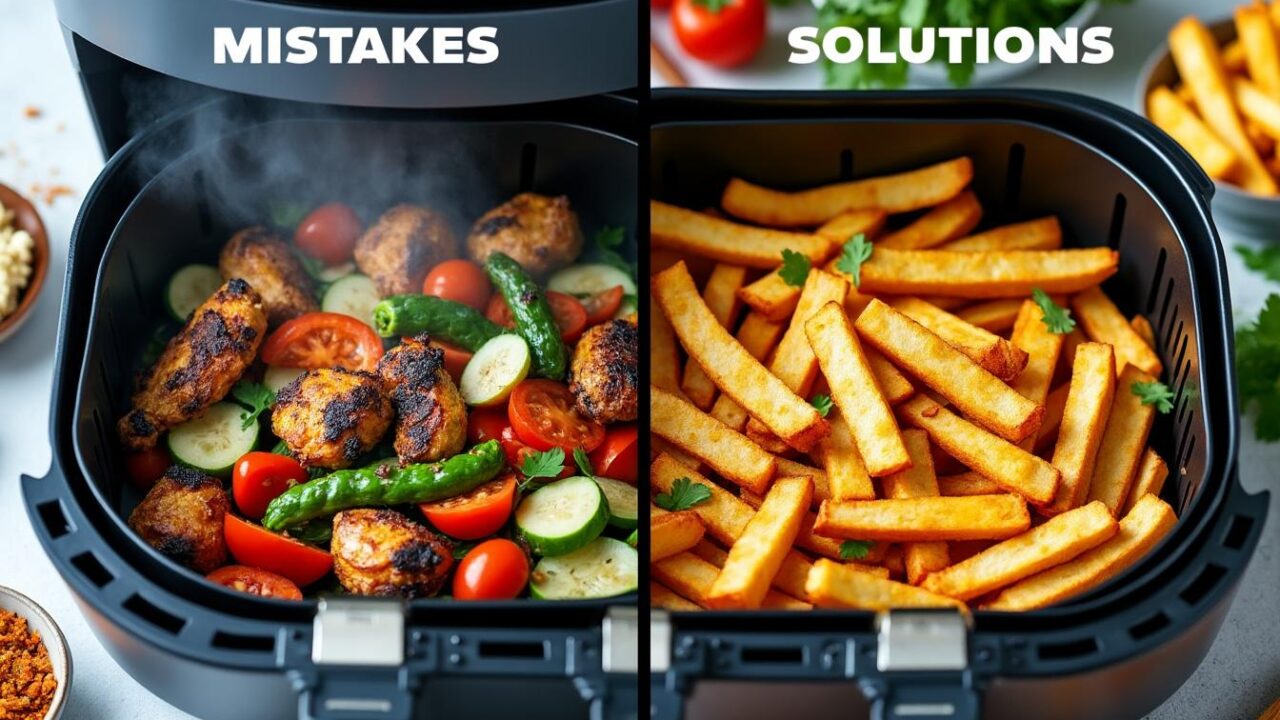
Routine cleaning prevents residue that could smoke or burn, and rotating food during a cycle promotes even browning. Overcrowding reduces air flow and increases cooking times, which in turn can raise the risk of nutrient loss or uneven texture. The result: technique and care influence both food quality and long-term appliance safety.
Environmental and practical health benefits
From an environmental perspective, air fryers often use less energy for small portions than a conventional oven heated for the same duration. They also reduce household waste related to takeout containers by enabling quick, appealing home meals. For families aiming to improve diets at scale, the appliance’s convenience often translates into more frequent home cooking and better control over ingredients, both key drivers of improved population-level nutrition patterns.
When integrating an air fryer into a heart-healthy eating plan, focus on lean proteins, legumes, and vegetables. Limit processed and pre-breaded frozen items high in sodium and preservatives. For a step-by-step approach to healthy recipes and techniques for chicken and plant proteins, practical guides outline portion sizes, recommended oils and seasoning strategies that support flavor without undermining nutritional goals.
Example regimen for a week: schedule two air-fryer-based dinners featuring fish and vegetables, one oven-roasted grain bowl, and one light stew. This rotation balances texture variety, preserves key nutrients, and maintains moderate calorie intake. Such planning addresses the human tendency to overconsume palatable fried textures; portion control and pairing with vegetables preserve satiety while limiting excess calories.
Selection of oils matters: small amounts of extra-virgin olive oil or avocado oil provide flavor and beneficial mono- and polyunsaturated fats without the negative changes caused by repeatedly reused oils. Also, be mindful of salt and flavoring blends—using herbs, lemon zest and spice mixes reduces sodium dependence while enhancing appeal.
For troubleshooting common appliance issues—smoke, uneven cooking or maintaining crispness—consumer recipe hubs provide practical fixes informed by user tests and product guidance.
Practical safety and use tips offer clear steps for daily maintenance and safe operation, while targeted recipe guides show how to prepare healthy air-fryer meals efficiently.
Key insight: Daily air-fryer use supports sustainable, time-efficient healthy cooking when paired with maintenance, careful ingredient choice and portion control.
How to maximize air-fryer health benefits: recipes, portion strategies and building a lasting habit
Turning the air fryer into a tool for long-term dietary improvement requires strategy: select nutrient-dense ingredients, design balanced plates and use portioning to avoid the calorie creep that even reduced-oil foods can cause. Start meals with a vegetable-focused component—roasted cauliflower, air-fried Brussels sprouts or charred zucchini—then add a lean protein and a controlled portion of whole grains or tubers. This composition protects nutrient balance and anchors satiety.
Recipe-level choices matter. For example, using a light coating of whole-grain breadcrumbs or ground oats on chicken breast reduces caloric density compared with heavy battering. Tofu and legumes also crisp up well in an air fryer with minimal oil, offering plant-forward alternatives that align with heart-healthy diets.
Portion control and menu planning
Portions remain the decisive factor for caloric control. An air-fried snack of sweet potato wedges shares many sensory qualities with classic fries but differs in portion needs. A practical rule for households: allocate one to one-and-a-half cups of air-fried starchy vegetables per person and pair with a palm-sized portion of protein and a large salad or steamed greens. This keeps plates balanced while allowing the satisfying textures people crave.
Maya’s weekly plan models this: two nights of air-fried fish with vegetables, one night of roasted chickpea and grain bowls, a weekend treat of air-fried homemade falafel, and reserved oven or stovetop techniques for soups and slow-cooked dishes. This rotation helps maintain variety and prevents monotony while supporting nutrient sufficiency and caloric awareness.
For cooks seeking ready-to-use instruction, recipe databases focused on air-fryer techniques provide step-by-step formulas for healthy chicken, vegetable medleys and desserts adapted for lower oil use. Those resources explain how to adjust temperature and timing for different load sizes and how to avoid charring while achieving color and crispness.
Beyond the plate, habit formation matters: plan simple batch-cooking sessions using the air fryer for components—roast a batch of vegetables, crisp chickpeas for salads, and prepare a protein—that assemble into multiple meals throughout the week. This approach reduces mealtime friction and increases the likelihood of consistent healthy choices.
Healthy air-fryer chicken recipes and tips offer techniques for crispness with minimal oil and practical seasoning ideas that keep sodium low.
Key insight: The air fryer amplifies healthy habits when combined with mindful portions, whole-food ingredients and weekly planning that favors variety and nutrient balance.
{“@context”:”https://schema.org”,”@type”:”FAQPage”,”mainEntity”:[{“@type”:”Question”,”name”:”Is cooking with an air fryer healthier than deep frying?”,”acceptedAnswer”:{“@type”:”Answer”,”text”:”Yes. Air frying uses far less oil than deep frying, which typically reduces calories and unhealthy fat intake, lowering the potential risk for weight gain and cardiometabolic disease when used in place of deep frying.”}},{“@type”:”Question”,”name”:”Can air-fried food be eaten every day?”,”acceptedAnswer”:{“@type”:”Answer”,”text”:”Air-fried food can be part of a daily diet if meals are balanced and emphasize whole foods like vegetables, lean proteins and whole grains. Avoid relying on highly processed frozen items as a daily staple.”}},{“@type”:”Question”,”name”:”Do air fryers produce harmful chemicals like acrylamide?”,”acceptedAnswer”:{“@type”:”Answer”,”text”:”Air fryers can produce acrylamide and AGEs in high-starch or overcooked items, but typically at lower levels than deep frying. Using moderate temperatures, avoiding charring and employing simple preparation steps reduces formation.”}},{“@type”:”Question”,”name”:”Are air fryers safe to use regarding coatings and plastics?”,”acceptedAnswer”:{“@type”:”Answer”,”text”:”Choose models with durable, non-toxic coatings and follow manufacturer guidance. Avoid metal utensils, maintain temperatures within recommended ranges and replace units if coatings degrade. Regular cleaning also reduces smoke and residue.”}}]}Is cooking with an air fryer healthier than deep frying?
Yes. Air frying uses far less oil than deep frying, which typically reduces calories and unhealthy fat intake, lowering the potential risk for weight gain and cardiometabolic disease when used in place of deep frying.
Can air-fried food be eaten every day?
Air-fried food can be part of a daily diet if meals are balanced and emphasize whole foods like vegetables, lean proteins and whole grains. Avoid relying on highly processed frozen items as a daily staple.
Do air fryers produce harmful chemicals like acrylamide?
Air fryers can produce acrylamide and AGEs in high-starch or overcooked items, but typically at lower levels than deep frying. Using moderate temperatures, avoiding charring and employing simple preparation steps reduces formation.
Are air fryers safe to use regarding coatings and plastics?
Choose models with durable, non-toxic coatings and follow manufacturer guidance. Avoid metal utensils, maintain temperatures within recommended ranges and replace units if coatings degrade. Regular cleaning also reduces smoke and residue.