
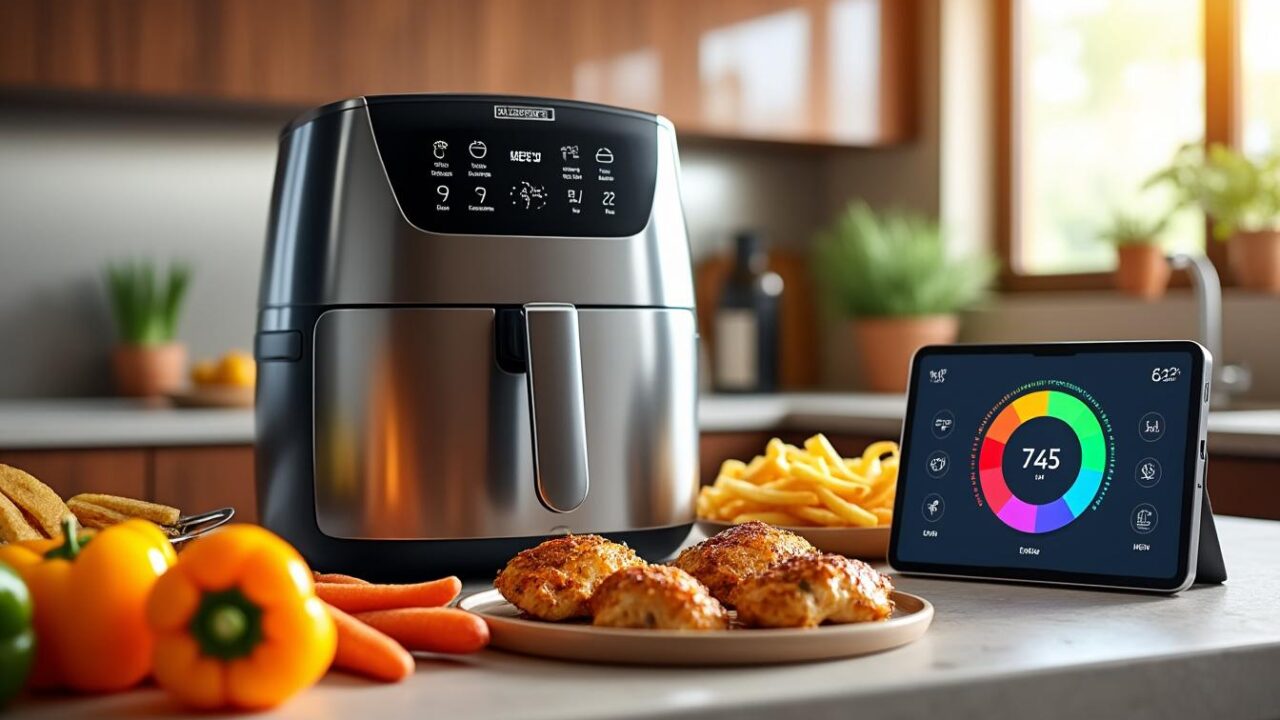
What size air fryer should you buy? tips for choosing the right capacity
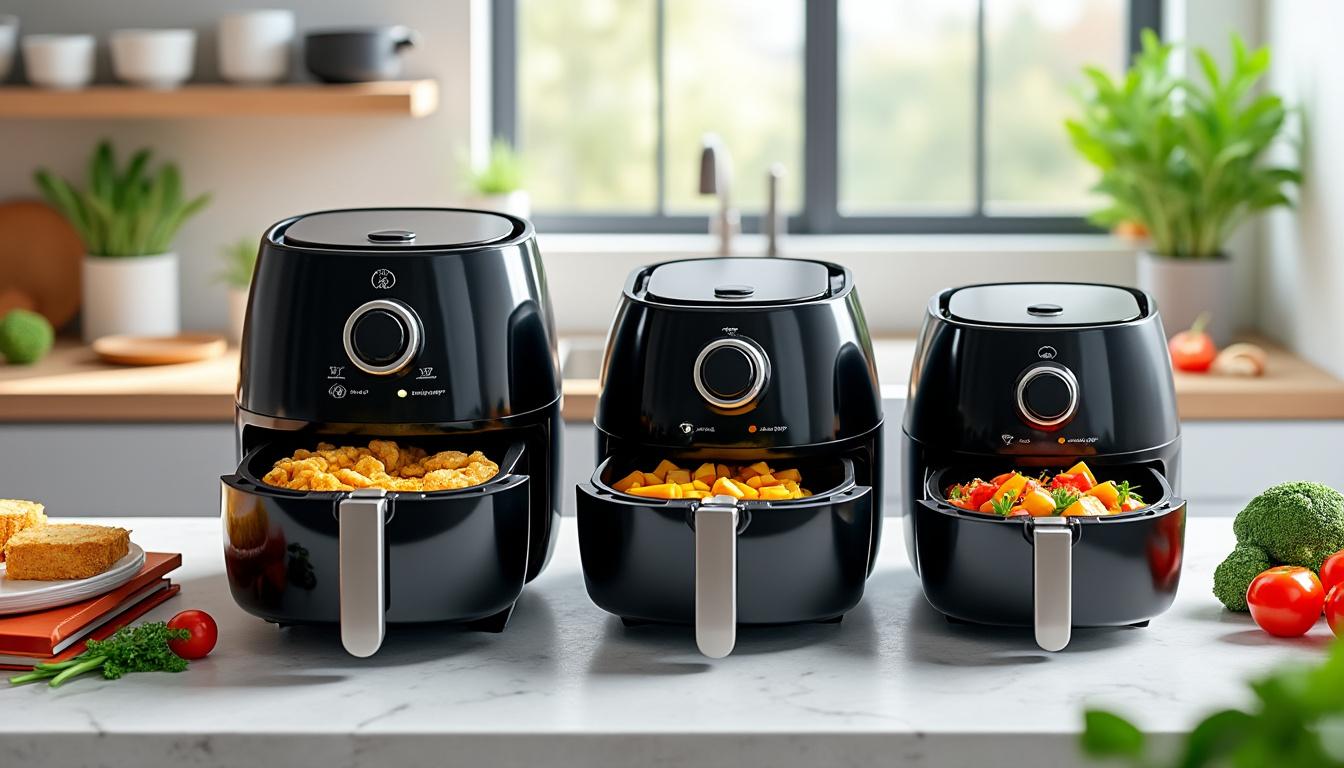
The city kitchen hums with the soft click of a timer and the warm scent of roasted garlic—an ordinary evening turned efficient by a countertop companion. In 2026, selecting the right air fryer has become as much about lifestyle fit as technical specs. Recipes, portion sizes and living arrangements shape the decision as surely as the appliance’s labelled quarts. This piece maps practical choices around air fryer capacity, detailing how visible numbers translate into usable cooking space, why shape matters more than the advertised air fryer volume, and how different meal types influence batch size. An urban family—here called the Coopers—serves as a running example: two adults, a teenager with an appetite for wings, and an occasional overnight guest. Their needs illustrate trade-offs between a compact 3.5-quart model that excels at reheating and a 7-quart dual-basket machine that enables simultaneous mains and sides.
- Match capacity to household size—small units for singles, 4–6 quarts for most families, 7+ quarts for batch cooking and parties.
- Assess usable cooking space—quarts are volume labels; basket shape determines real capacity.
- Leave room for airflow—keep baskets no more than about 75% full to prevent steaming.
- Consider kitchen appliance size—measure counter and cabinet clearance before purchase.
- Balance energy and time—a larger unit can be more efficient for full meals than repeated small batches.
Air Fryer Capacity Guide: understanding air fryer size versus usable cooking space
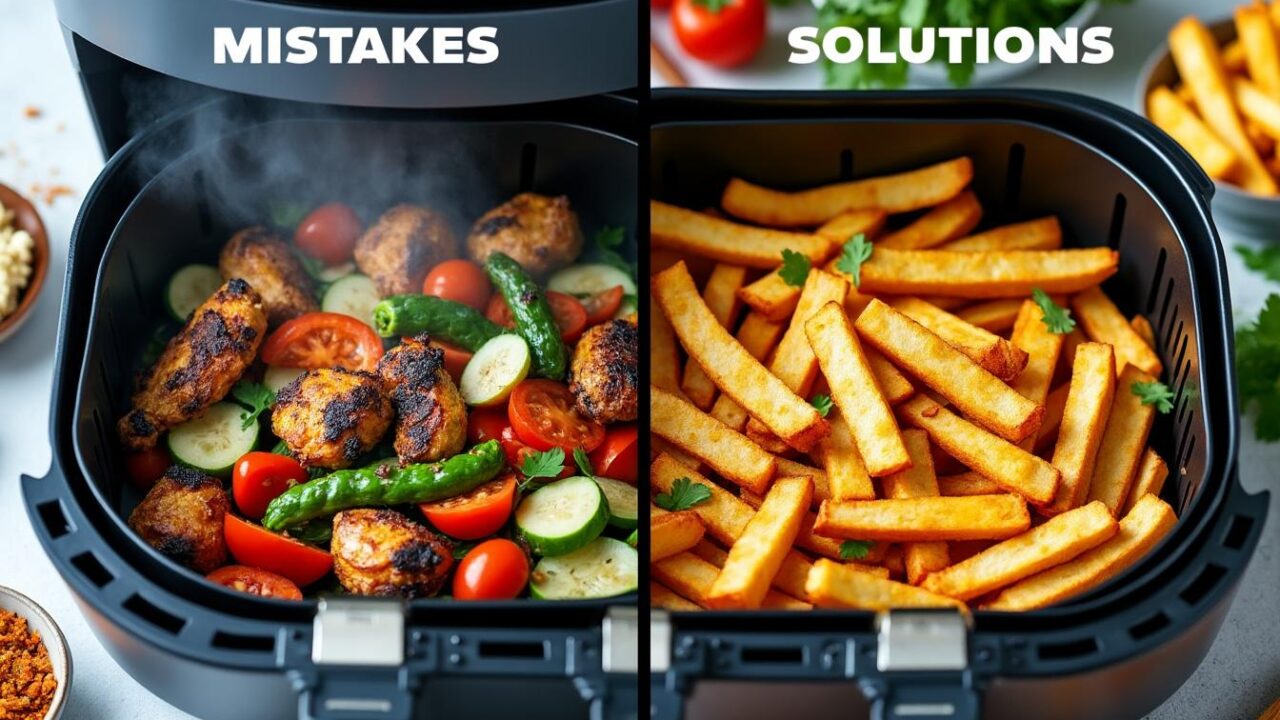
When choosing an air fryer, the label that reads 4, 6 or 8 quarts is only the start of the story. The figure reflects total internal volume, but air fryer capacity in practice is the space where hot air circulates freely around food. The Coopers learned this after buying a 5-quart model that technically fit a two-pound bag of fries—yet in practice required splitting the bag into two batches to get a proper crisp. The distinction between advertised volume and usable cooking area governs results: overcrowded baskets cause steaming, uneven browning and longer cook times.
Measuring usable space can be approached like measuring a plate. Look for flat, wide baskets with shallow depth: these create a single layer for better convection. Square or rectangular baskets often yield more surface area per quart than tall, narrow round baskets. For example, a 5-quart square basket may comfortably hold the Coopers’ weekday dinner of four chicken thighs and a modest roof of Brussels sprouts, while a 6-quart round basket with the same quart number might feel more cramped.
Practical rules of thumb help translate numbers into meal outcomes. Plan for about 1 quart per standard-sized main portion when cooking proteins, or roughly 1–1.5 pounds of fries per 4–5 quarts. Always leave around 25% of the basket empty to ensure airflow. The moment a basket is packed elbow-to-elbow, the appliance shifts from crisping to steaming—an effect that even the best presets cannot fully counteract.
Comparative reviews and capacity breakdowns clarify marketing claims. A thorough detailed capacity guide outlines how many servings different quart ranges typically handle, and real-world tests show how brands vary in usable space. For buyers who prioritize accurate expectations over glossy labels, consulting these resources avoids disappointment at the first fry.
One final insight: cooking style matters. If meal prep involves frequent single-plate meals, a compact fryer yields energy savings and speed. If entertaining or weekly bulk cooking is common, the functional capacity, not the nominal number on the box, determines whether that appliance will become indispensable or obsolete. This understanding forms the foundation for the next section’s household-specific recommendations.
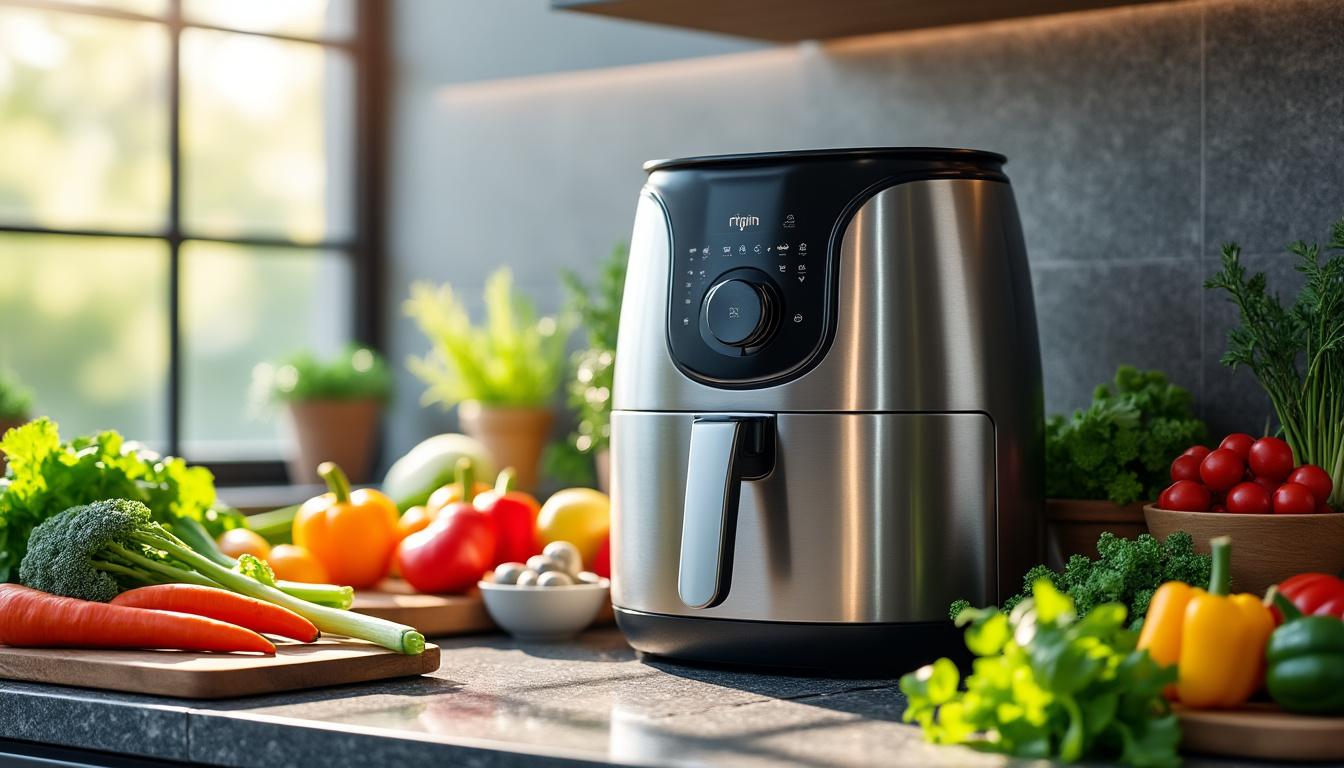
How to choose air fryer size for singles, couples and families: household-focused buying advice
Household composition is the first filter in the decision tree when choosing air fryer capacity. Different family sizes create predictable patterns: singles and couples often need agility and compactness; families of three to four require a balance of space and speed; larger households or batch-preppers need volume and flexibility. The Coopers illustrate a mid-sized family that migrated from a compact unit to a larger dual-basket model after realizing weekday meals would be faster and more even with increased usable area.
Small households (1–2 people) benefit from 2–3.5 quart units. These models are quick to preheat, economical and ideal for single portions or snacks. Dorm dwellers, tiny apartments, and RV kitchens find these mini fryers especially useful. Yet, a limitation appears when attempting full dinners—protein and sides rarely fit together.
Medium households (3–4 people) sit squarely in the common sweet spot: 4–6 quarts. This range handles full mains and a modest side in a single batch. A 5.5-quart model often fits a three-pound chicken or two to three pounds of fries. Parents juggling school-night dinners and time pressures often prefer this class because it balances footprint with function.
Large households or people who meal prep should consider 7+ quarts or dual-basket models. Dual baskets allow different foods to cook simultaneously at distinct settings, which is a boon when tastes diverge. For the Coopers, moving to a 7–8 quart dual-basket model eliminated the need for twice-batching and reduced total cook time for family dinners and weekend meal prep.
| Air Fryer Size (Quarts) | Best For | Typical Max Per Batch | Household Size |
|---|---|---|---|
| 2–3.5 | Singles, quick snacks, small kitchens | 1 chicken breast, 1 lb fries | 1–2 people |
| 4–6 | Weeknight dinners, main + side | 4 chicken thighs, 2 lb fries | 3–4 people |
| 7–8 (dual basket) | Meal prep, entertaining, mixed dishes | 6 chicken breasts + veggies | 5+ people |
For a data-driven purchase, cross-check the manufacturer’s claims with user reviews. Sites such as practical buying guides offer meal-based recommendations and first-hand testing notes. Reading consumer feedback reveals whether an advertised quart figure translates into the claimed capacity in daily use.
A final household tip: account for occasional guests. If a family occasionally hosts, a slightly larger model provides flexibility. Equally important is counter fit—measure the intended spot, leave ventilation clearance (around 3 inches), and ensure the unit fits under cabinets if storage there is intended.
Air fryer volume and shape: why basket design changes everything for crispness and capacity
Not all quarts are equal. The interplay between air fryer volume and basket geometry defines how food cooks. Round baskets concentrate heat differently than square ones; tall baskets deliver depth but reduce surface area, while shallow wide baskets spread food into a single, efficient layer. The Coopers noticed a clear difference after comparing a tall 6-quart round model and a flat 5-quart square unit—the square fryer produced crisper fries in a single batch, while the round model required two rounds for the same result.
Square baskets tend to maximize usable floor space. When fries, nuggets or vegetable florets can lie in a near-single layer, air flows unobstructed and browning becomes uniform. Round baskets with deep walls may carry a nominally larger quart rating but fall short when the goal is to crisp textures quickly. Another consideration is the presence of racks and multi-level inserts. Some oven-style air fryers expand functional area through trays, but they demand careful stacking and may slightly alter cook times.
Dual-basket or dual-zone designs add a new axis of flexibility. They enable simultaneous preparation of distinct dishes—think fish on one side and fries on the other—with separate timers and temperatures. For households with different preferences, a dual-basket model obviates cross-contamination and allows staggered finishes. The Coopers used this to cook chicken breasts for adults while preparing breaded fish for the teenager, avoiding flavor mixing and saving time.
Cooking tests often reveal manufacturer overstating. Marketing might claim “fits 20 wings,” but the reality depends on wing size and how much agitation is possible mid-cook. Real-world testing reduces surprises. The practical advice: look beyond the quart number to diagrams or photos from reviewers showing real servings in the basket.
For those who enjoy deep batches or whole birds, height matters. A three-pound chicken will need more than volume—it requires vertical clearance. Always verify basket height relative to the heating element to prevent contact and ensure even roasting. Assessing these geometry elements up front prevents returns and buyer’s remorse.
To dive deeper into how to select a model based on these structural nuances, trusted resources outline step-by-step guidance on how to choose the best air fryer for your needs, including basket shape effects and multi-drawers versus single-basket comparisons. This context helps translate nominal capacity into real kitchen performance.
Meal matching and energy-time trade-offs: which air fryer capacity works for different recipes
Different foods demand different spatial strategies. Proteins, frozen snacks and vegetables each occupy distinct slots on the capacity spectrum. Proteins require separation to brown; frozen items release moisture and need shaking; vegetables cook rapidly and benefit from single-layer airing. The Coopers built a set of weekday menus to test various sizes: roasted salmon fillets, chicken thighs, and batch-parsnip fries. These experiments clarified that a 5–6 quart appliance handled weeknight meals best, while weekend batch-cooking favored a 7–8 quart unit.
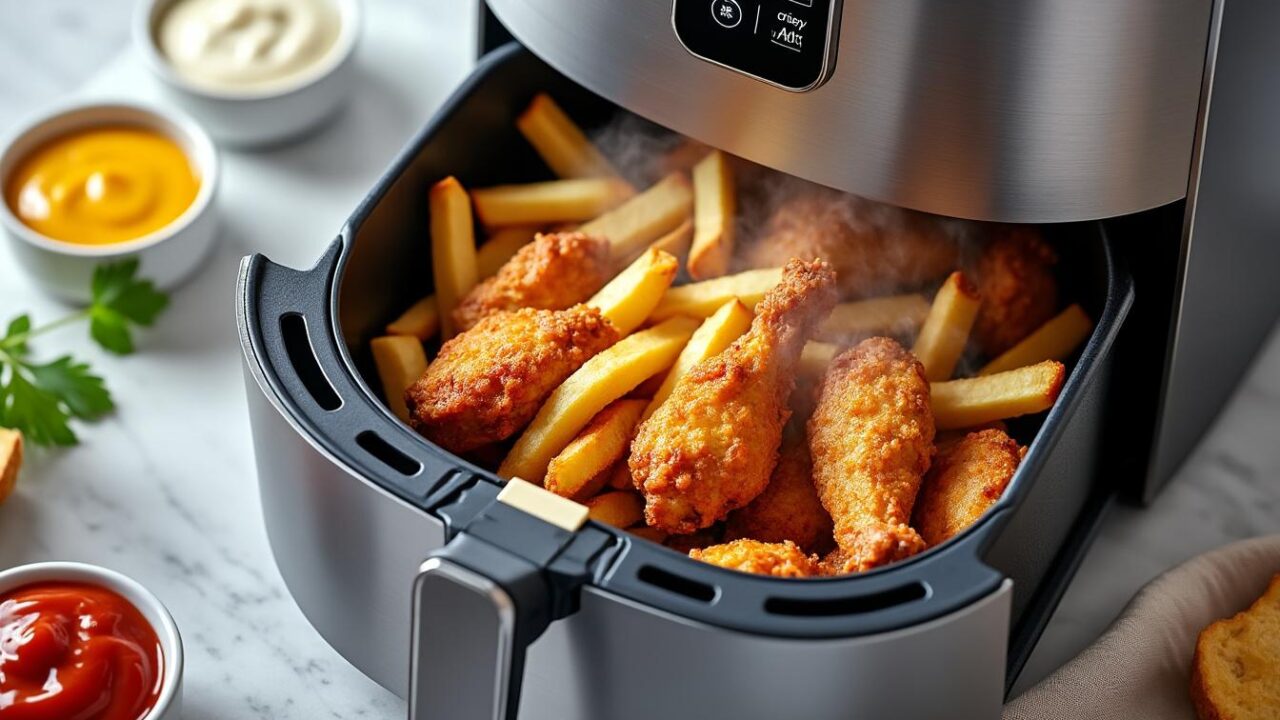
Meat requires space to sear. A practical rule: roughly one standard boneless chicken breast per quart, and around 1 pound of wings per 2 quarts. Whole chickens require height and often a 5–7 quart basket depending on the bird’s weight. Frozen foods tempt buyers with “bag fits” claims, but optimal crisping typically occurs when the basket holds 1–1.5 pounds per cycle rather than an entire 2-pound bag. This avoids steaming and ensures even results.
Vegetables behave differently. Chopped vegetables crisp with less crowding and with shorter times—often half the duration of comparable proteins. Layering veggies excessively traps steam; split them into smaller batches for best texture. When prepping large side dishes, batch-cooking in multiple, shorter cycles produces more consistent outcomes than stuffing a single oversized load.
Energy and time trade-offs matter. Larger fryers might draw more watts, but they can finish full meals in fewer cycles—saving time and sometimes energy versus repeating smaller batches. Consider the example of cooking four chicken breasts: in a 3-quart unit it may require two 15–minute cycles (30 minutes total), while a 6-quart unit might finish the job in one 18–minute cycle. Efficiency emerges from matching batch size to the machine’s effective surface area.
Recipes differ in their tolerance for stacking and multi-level racks. Oven-style air fryers offer greater tray area and can be more forgiving for multi-dish preparations, but they occupy more counter real estate. For specific recipe-driven guidance and the benefits of different air fryer types, consult practical overviews such as what are the benefits of using an air fryer and how can it improve your cooking.
Ultimately, meal matching clarifies the ideal capacity: pick the smallest model that can handle frequent full meals in a single cycle, and ensure it leaves space for airflow. This approach minimizes unnecessary energy use while maximizing crispness and speed.
Practical air fryer buying guide: kitchen appliance size, features, and final tips for choosing air fryer models
Buying the right unit involves practical steps beyond capacity. Start with precise measurement. Measure the intended counter spot and allow at least 3 inches around the appliance for ventilation. Confirm the height to ensure clearance beneath cabinets and check that the door or basket can open without obstruction. These small checks prevent later frustration when a too-tall or wide unit cannot sit in the chosen nook.
Assess features: digital controls, presets, removable racks, dishwasher-safe baskets, and accessories change usability. Accessories such as racks, divider inserts and baking pans can expand functional capacity and allow cooking multiple items without mixing flavors. But remember: more accessories do not compensate for a lack of usable surface area in a given basket.
Consider the trade-offs of cost, energy, and maintenance. Larger units cost more upfront and may consume more power per run, but they save time when cooking full-family meals. Compact units are cheap, nimble, and energy-sipping but may demand multiple cycles. Also evaluate warranty, customer service reputation, and safety certifications—these elements influence longevity and daily confidence.
Shopping advice benefits from independent testing and community feedback. Resources like expert reviews and consumer forums highlight real-world caveats and champion models that deliver consistent usable capacity rather than inflated volume claims. For buyers exploring big-size models, guides that focus on capacity and large-family needs provide valuable perspective, such as the practical big-size buying advice and deeper buying write-ups that compare functionality across brands.
Checklist before purchase:
- Measure your counter and cabinet height.
- Decide typical batch size and match to usable surface area, not only quart label.
- Choose basket shape that fits your most-cooked foods (square for fries, taller for whole birds).
- Verify dishwasher-safe parts and accessory availability.
- Read user photos and reviews showing real servings in the basket.
Picking the best air fryer capacity ultimately blends numbers with habits. Think of the decision as investing in a tool: a model that fits the Coopers’ family rhythm—fast weeknight meals, occasional guests, and weekly meal prep—proved more valuable than the highest-quart model on the shelf. For a final cross-check, consult comprehensive comparison pieces and buying guides to confirm specific model behavior under real-life cooking conditions, such as those found in well-regarded reviews and compilations.
Armed with measurements, meal profiles and an eye for usable space, the right appliance will transform weekday kitchens into efficient, crisp-producing hubs.
{“@context”:”https://schema.org”,”@type”:”FAQPage”,”mainEntity”:[{“@type”:”Question”,”name”:”What size air fryer is best for a family of four?”,”acceptedAnswer”:{“@type”:”Answer”,”text”:”A 4u20136 quart model is generally ideal for a family of four. This size typically fits a main dish and a side in a single batch. Look for a model with a wide, shallow basket to maximize usable cooking surface and leave about 25% free space for airflow.”}},{“@type”:”Question”,”name”:”How much should I trust the quart number on the box?”,”acceptedAnswer”:{“@type”:”Answer”,”text”:”Quart numbers indicate total internal volume; usable cooking space depends on basket shape and design. Square baskets often offer more surface area per quart than deep round ones. Always consult photos, reviews and real-world tests to evaluate how much food actually fits per batch.”}},{“@type”:”Question”,”name”:”Can a small air fryer handle frozen foods like fries and nuggets?”,”acceptedAnswer”:{“@type”:”Answer”,”text”:”Yes. Compact 2u20133.5 quart units can crisp frozen snacks effectively if not overfilled. For best results, cook no more than 1u20131.5 pounds per cycle in small fryers, shake or flip halfway, and avoid packing the basket to the brim.”}},{“@type”:”Question”,”name”:”Is a dual-basket air fryer worth it?”,”acceptedAnswer”:{“@type”:”Answer”,”text”:”Dual-basket models offer flexibility to cook different foods simultaneously at distinct settings, reduce batch repetition and accommodate picky households. They are especially useful for meal prep and entertaining, but they occupy more counter space and cost more than single-basket units.”}}]}What size air fryer is best for a family of four?
A 4–6 quart model is generally ideal for a family of four. This size typically fits a main dish and a side in a single batch. Look for a model with a wide, shallow basket to maximize usable cooking surface and leave about 25% free space for airflow.
How much should I trust the quart number on the box?
Quart numbers indicate total internal volume; usable cooking space depends on basket shape and design. Square baskets often offer more surface area per quart than deep round ones. Always consult photos, reviews and real-world tests to evaluate how much food actually fits per batch.
Can a small air fryer handle frozen foods like fries and nuggets?
Yes. Compact 2–3.5 quart units can crisp frozen snacks effectively if not overfilled. For best results, cook no more than 1–1.5 pounds per cycle in small fryers, shake or flip halfway, and avoid packing the basket to the brim.
Is a dual-basket air fryer worth it?
Dual-basket models offer flexibility to cook different foods simultaneously at distinct settings, reduce batch repetition and accommodate picky households. They are especially useful for meal prep and entertaining, but they occupy more counter space and cost more than single-basket units.