



Why is my air fryer not heating properly and how can I fix it?
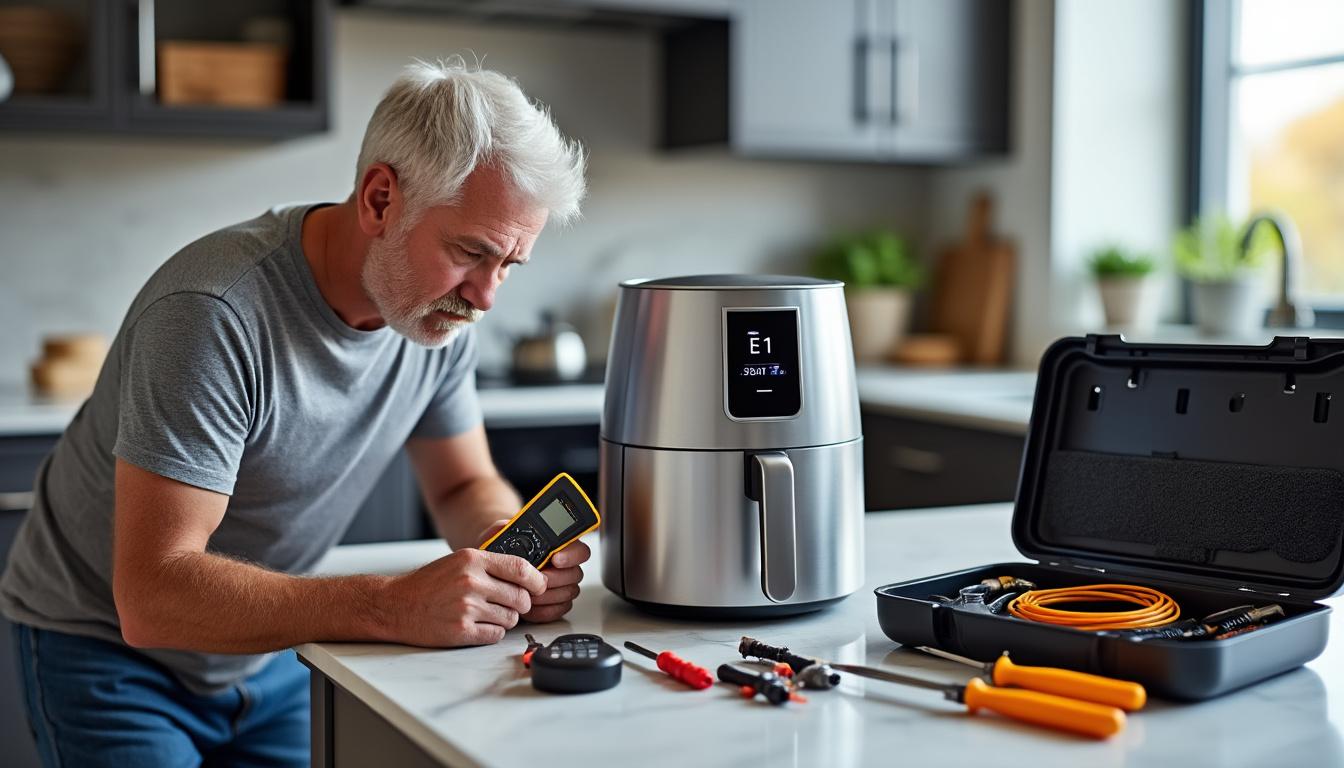
Why is my air fryer not heating properly and how can I fix it? This report-style overview synthesizes practical diagnostics, safe repair steps, and upkeep routines to restore cooking performance. It frames common heating issues—from simple power faults to component failure—through the experience of a home cook named Maya who relies on an air fryer for weeknight meals. The piece draws on tested troubleshooting methods, multimeter checks, and manufacturer-aware cautions so that readers can decide whether a DIY fix, warranty claim, or professional repair is appropriate. The emphasis is on safety, clear sequencing of checks (power and settings first, then internal parts), and preventive habits that reduce the risk of repeated failures. Practical anchors such as replacing a thermal fuse, testing a heating element, and verifying thermostat operation are described step-by-step. The goal is to convert frustration into a clear plan of action and restore confidence that an air fryer can be a dependable kitchen partner with correct maintenance and timely repairs.
Brief — key takeaways
- Start simple: confirm power, outlet, and basic settings before opening the unit.
- Listen and observe: fan running with no heat typically points to the heating element, thermostat, or thermal fuse.
- Test safely: use a multimeter to check continuity on heating components only after unplugging and cooling the appliance.
- Prevent future issues: clean regularly, avoid overfilling, and ensure proper ventilation around the appliance.
- Know when to stop: control board failures or burnt wiring require professional attention or replacement.
Why Is My Air Fryer Not Heating Up? Troubleshooting Power and Settings
Many cases of an air fryer not heating properly begin with the simplest truths: power and user settings. Observing the unit’s lights, listening for the fan, and verifying the outlet are inexpensive checks with high diagnostic value. In the fictional arc, Maya first assumed a technical failure when frozen fries emerged limp; a quick outlet test with a lamp revealed a tripped circuit. This anecdote mirrors common scenarios where a home circuit or a loose plug is the real culprit.
Begin by confirming the power cord is fully seated in a working outlet. A plug that sits slightly loose can intermittently deprive the unit of current and produce misleading symptoms. Next, verify the household circuit by resetting the breaker and testing the same outlet with a small appliance. If the breaker trips repeatedly after plugging in the air fryer, that suggests an electrical fault beyond the appliance and merits a qualified electrician’s inspection.
Settings errors are often overlooked. Many modern air fryers require both a time and a temperature to be set before the heating element engages. Some models also include a preheat function that must be activated. In Maya’s case, the digital model showed the display on but the timer hadn’t been started; turning the timer knob solved the problem immediately. That simple fix is commonly documented in troubleshooting guides like those found on Household Inside, which emphasizes checking basic user controls before more complex interventions.
Safety interlocks are another category of setting-related issues. Many baskets or drawers incorporate a switch that prevents heating if not fully inserted. A misaligned basket can be deceiving: lights and fan appear normal, while the heating element remains disabled. Gently removing and reinserting the basket until it clicks can restore proper operation.
Inspect the power cord visually for cuts, frays, or scorched areas. A damaged cord is a serious hazard and requires replacement; continue no further diagnostics until the cord is replaced or the unit is unplugged and repaired. If the unit powers on but remains cool, the problem likely progresses past settings into internal components, which will be addressed in the next section. Final insight: always eliminate the obvious before escalating to air fryer repair steps—most practical fixes are inexpensive and fast.
Diagnosing Internal Components: Heating Element, Thermostat, and Thermal Fuse
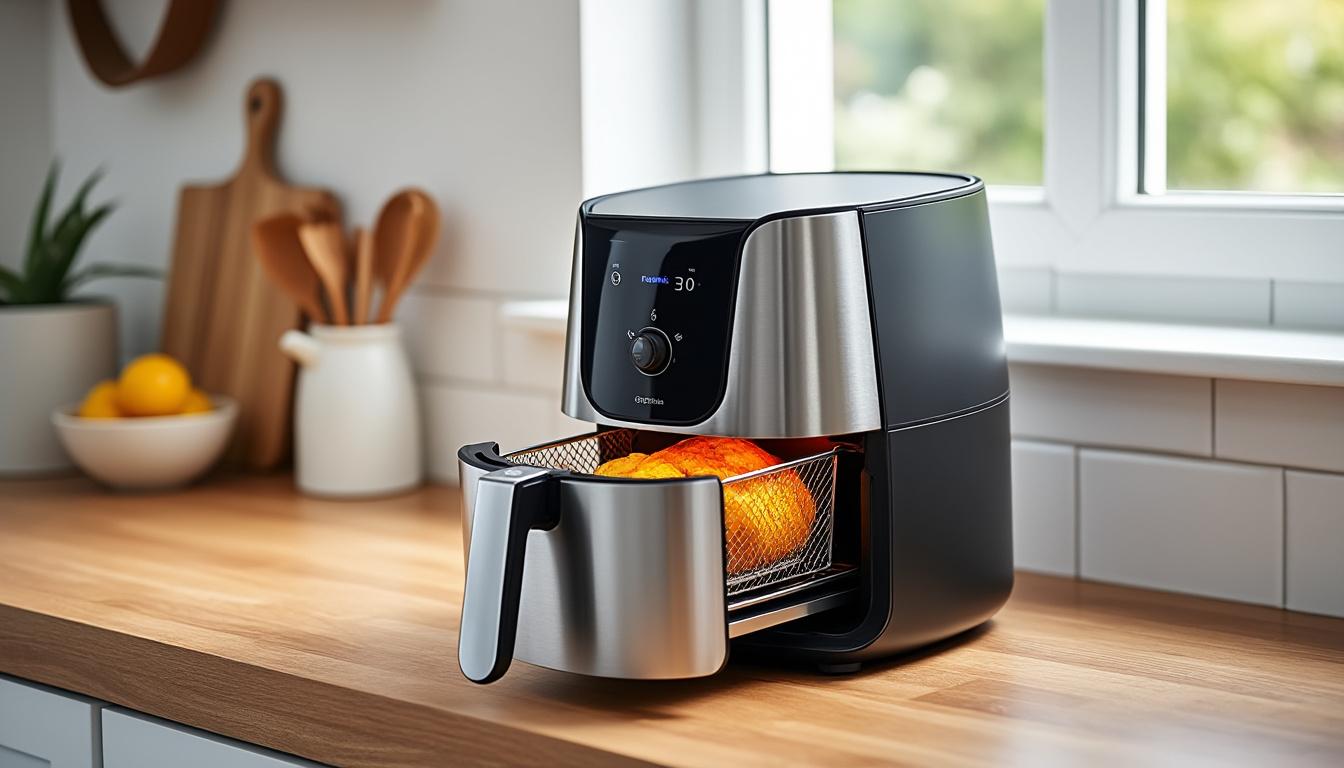
When the fan runs but the unit produces no heat, or when the air fryer heats briefly then cuts out, attention turns to the internal components. The most common suspects are the heating element, the thermostat, and a safety thermal fuse. Each part has distinct symptoms and testing procedures that can guide a repair decision.
The heating element converts electrical energy into heat. Symptoms of failure include a silent rise in temperature (no warmth at all) while the fan continues to operate. To test it, first ensure the appliance is unplugged and cooled. Accessing the element usually requires removing the top or rear cover; manufacturer manuals often show the correct disassembly sequence. A multimeter reading across the element should show finite resistance (the exact expected range varies by wattage and model). An open circuit indicates a broken coil and a need for replacement. Guides like AirFryFoods provide practical examples of element failures and replacement options.
A malfunctioning thermostat will misreport internal air fryer temperature, preventing the heating element from cycling on. Symptoms include intermittent heating or preheating problems. Testing a thermostat can be harder because it requires isolating the sensor and checking continuity at different temperatures. A cold thermostat should allow current flow; at its cut-off temperature it should break continuity. If readings are erratic, replacement is likely required.
Thermal fuses are one-shot safety devices that blow if the unit overheats. A sudden stop in heating, after normal function, often points to a blown thermal fuse. Testing for continuity across the fuse with a multimeter is straightforward: no continuity equals a failed fuse that must be replaced with an identical rated part. The replacement must match the original amperage and temperature rating to preserve safety.
Other internal causes include loose wiring, burnt connectors, or a partially failed fan motor that tricks the control logic into shutting power to the element. For safety, always disconnect power and document wiring positions before any disassembly. If a technical manual is unavailable, images and part diagrams from reputable sources like CookinDocs can guide identification of parts and common faults.
When testing, record results: multimeter readings, any visible damage, and the sequence of observed symptoms. This documentation speeds communication with manufacturer support or an appliance technician if the repair moves beyond DIY. Key takeaway: methodical testing isolates the failed component, keeping repair choices rational and cost-effective.
Step-by-Step Air Fryer Repair and Safe DIY Checks
Repairing an air fryer at home is feasible for someone comfortable with tools and electrical basics, but safety is paramount. Before beginning any repair, unplug the unit, allow it to cool completely, and work in a well-lit, ventilated area. Use non-conductive tools where possible and document each step to ensure correct reassembly.
Start by verifying easily accessed parts: the basket, tray, and any removable racks. Clean baked-on debris near the heating element that could insulate heat or trigger a safety cut-out. For components requiring disassembly, follow this procedural checklist:
- Unplug and cool the appliance.
- Remove the basket and tray; clean these before proceeding.
- Unscrew external covers per the manual; keep screws organized and photographed.
- Visually inspect wiring harnesses for burns or loose connections.
- Test the heating element, thermal fuse, and thermostat with a multimeter.
- Replace faulty, clearly identified parts with OEM or approved equivalents.
- Reassemble and bench-test the air fryer briefly before full use.
For clarity, a compact table outlines common symptoms and recommended actions.
| Symptom | Likely Cause | Suggested Action |
|---|---|---|
| Fan runs, no heat | Heating element open, blown thermal fuse | Test element/fuse with multimeter; replace defective part |
| Heats then stops | Faulty thermostat, thermal cut-out | Test thermostat continuity; consider fuse replacement |
| Unit dead, no display | Control board failure, power supply issue | Check outlet and cord; consult professional or manufacturer |
Ordering replacement parts is easier with model numbers and photographs. Websites that focus on air fryer repair provide part listings and procedural tips; for instance, AirFryerMart offers common part guides and sourcing advice. Another resource, Instant Pot Eats, emphasizes safety steps for disassembly and the value of consulting a wiring diagram.
DIY repair limits: avoid attempting control board repairs unless experienced with surface-mounted electronics and diagnostics. If connectors are melted or the board smells of burning, cease DIY attempts and seek a certified technician. Reassembling without securing sensors and fuses correctly undermines safety mechanisms and can create fire hazards.
Finishing insight: a disciplined, documented approach to DIY testing and part replacement often resolves heating issues, but the decision to proceed should weigh safety, warranty status, and the relative cost of replacement parts versus a new appliance.
Preventive Air Fryer Maintenance and Usage Tips to Avoid Heating Issues
Regular maintenance reduces the frequency of heating issues and prolongs appliance life. Small habits in cleaning and operation can prevent component stress and the need for air fryer repair. In the narrative, Maya incorporated a weekly maintenance routine after a midwinter failure; this routine prevented recurrence and improved cooking consistency.
Essential maintenance tasks include cleaning the basket and tray after every use, wiping the interior to remove oil residue, and inspecting the region around the heating element and fan for debris. Residual grease can carbonize over time and impair heat transfer, while loose crumbs can block airflow and cause uneven temperatures. Manufacturer-aged sensors and heating coils are sensitive to buildup.
Proper usage matters as much as cleaning. Avoid overfilling the basket; crowded food blocks airflow and forces the unit to run longer and hotter to compensate. This can shorten the life of the heating element and fan motor. Ensure the air fryer sits in an open area with at least a few inches of clearance to allow exhaust air to dissipate; confining the unit in a cabinet can cause false thermostat readings and premature thermal fuse activation.
Choose accessories explicitly rated for air fryers. Metal racks and pans intended for convection air flow support even heating, whereas deep pans that restrict airflow lead to longer cook times and stress. Preheating follows recommended steps found in guides such as the preheat guide which explains why a brief 3-5 minute preheat can stabilize air fryer temperature and improve results.
A checklist of preventive actions:
- Clean baskets and trays after each use.
- Wipe interior surfaces weekly, focusing near the element and fan.
- Inspect cords and plugs before every meal.
- Allow cool-down before storage to prevent condensation and corrosion.
- Use recommended accessories and avoid overcrowding the basket.
For deeper maintenance, a periodic internal inspection (every 6-12 months depending on use) can reveal early signs of wear: frayed wires, discoloration of the heating coil, or fan bearing noise. For cleaning guidance that preserves safety and component integrity, consult the cleaning and maintenance manual such as the one available at Air Fryer Recipes – Cleaning Guide.
Final insight: maintenance is inexpensive time invested that ensures reliable performance and reduces the probability of sudden heating failures. A small routine can save a full replacement later.
When to Seek Professional Help, Warranty Considerations, and Cost Decisions
Deciding whether to pursue professional repair or replace an air fryer hinges on safety, warranty, and repair cost calculations. Warranties are often voided by unauthorized repairs; therefore, confirm coverage before disassembling the unit. If the appliance is under warranty, contacting the manufacturer first usually yields the safest outcome.
Professional repair is warranted when the problem involves the control board, burnt wiring, or ambiguous intermittent faults. These issues require diagnostic tools and replacement parts best handled by technicians. For older or low-cost models, repair costs—including labor and parts—may exceed the value of the appliance. In such cases, replacement can be the economically rational choice.
When evaluating repair quotes, ask for a partized estimate: cost of parts, labor, and a diagnostic fee. Compare this to current replacement prices and the appliance’s age. For example, a new mid-range air fryer in 2026 often falls into a price bracket where replacing a control board could be impractical.
Document all troubleshooting steps undertaken; this saves time and clarifies the situation for any technician or warranty claim. If safety hazards such as burned connectors or a persistent burning smell exist, stop using the appliance and seek professional inspection immediately.
Useful references on repair thresholds and typical failures include resources such as KitchenDemy and Funktional Home, which outline typical costs and common failure modes. For hands-on users, local appliance technicians often provide a diagnosis for a modest fee, helping inform whether part replacement is economical.
Final insight: balanced judgment—considering safety, warranty, repair costs, and appliance age—clarifies whether to fix or replace. When in doubt about electrical integrity or component condition, professional evaluation is the safest path.
{“@context”:”https://schema.org”,”@type”:”FAQPage”,”mainEntity”:[{“@type”:”Question”,”name”:”Why does the fan run but the air fryer is not heating?”,”acceptedAnswer”:{“@type”:”Answer”,”text”:”When the fan runs but there is no heat, the likely causes are a broken heating element, a blown thermal fuse, or a faulty thermostat. Start with a visual inspection and test continuity with a multimeter after unplugging and cooling the unit.”}},{“@type”:”Question”,”name”:”Is it safe to replace a heating element myself?”,”acceptedAnswer”:{“@type”:”Answer”,”text”:”Replacing a heating element is possible for individuals comfortable with basic electrical work, but it requires unplugging the appliance, accessing internal components, and matching the exact replacement part. If the unit is under warranty or if wiring appears damaged, seek professional repair.”}},{“@type”:”Question”,”name”:”How often should an air fryer be cleaned to avoid heating issues?”,”acceptedAnswer”:{“@type”:”Answer”,”text”:”Clean the basket and tray after every use and wipe the interior weekly. Inspect near the heating element and fan for buildup every one to three months depending on frequency of use. Regular cleaning prevents hotspots and thermal cut-outs.”}},{“@type”:”Question”,”name”:”What should I check first if my air fryer is not working?”,”acceptedAnswer”:{“@type”:”Answer”,”text”:”Begin with power: ensure the outlet works, the plug is secure, and the circuit breaker hasnu2019t tripped. Then verify settings like timer and temperature, and ensure the basket is properly inserted. Document these checks before proceeding to internal troubleshooting.”}}]}Why does the fan run but the air fryer is not heating?
When the fan runs but there is no heat, the likely causes are a broken heating element, a blown thermal fuse, or a faulty thermostat. Start with a visual inspection and test continuity with a multimeter after unplugging and cooling the unit.
Is it safe to replace a heating element myself?
Replacing a heating element is possible for individuals comfortable with basic electrical work, but it requires unplugging the appliance, accessing internal components, and matching the exact replacement part. If the unit is under warranty or if wiring appears damaged, seek professional repair.
How often should an air fryer be cleaned to avoid heating issues?
Clean the basket and tray after every use and wipe the interior weekly. Inspect near the heating element and fan for buildup every one to three months depending on frequency of use. Regular cleaning prevents hotspots and thermal cut-outs.
What should I check first if my air fryer is not working?
Begin with power: ensure the outlet works, the plug is secure, and the circuit breaker hasn’t tripped. Then verify settings like timer and temperature, and ensure the basket is properly inserted. Document these checks before proceeding to internal troubleshooting.