
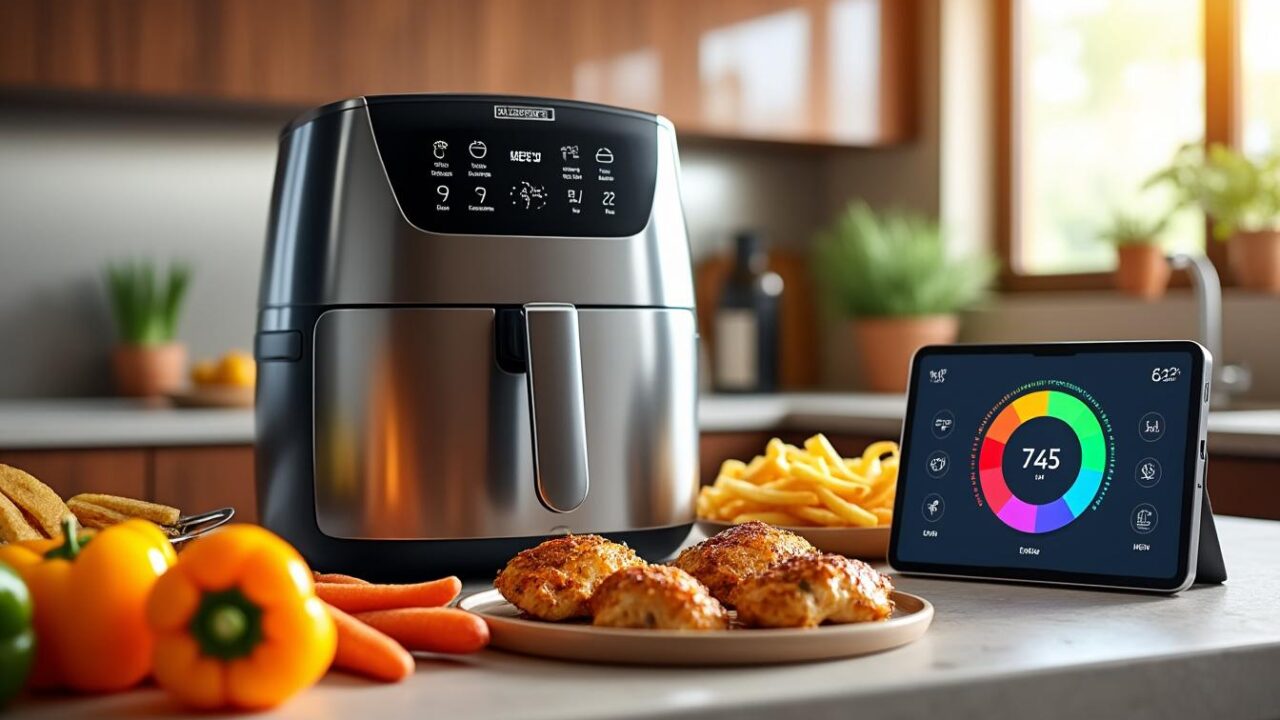
What to do if air fryer food is unevenly cooked and how to fix it
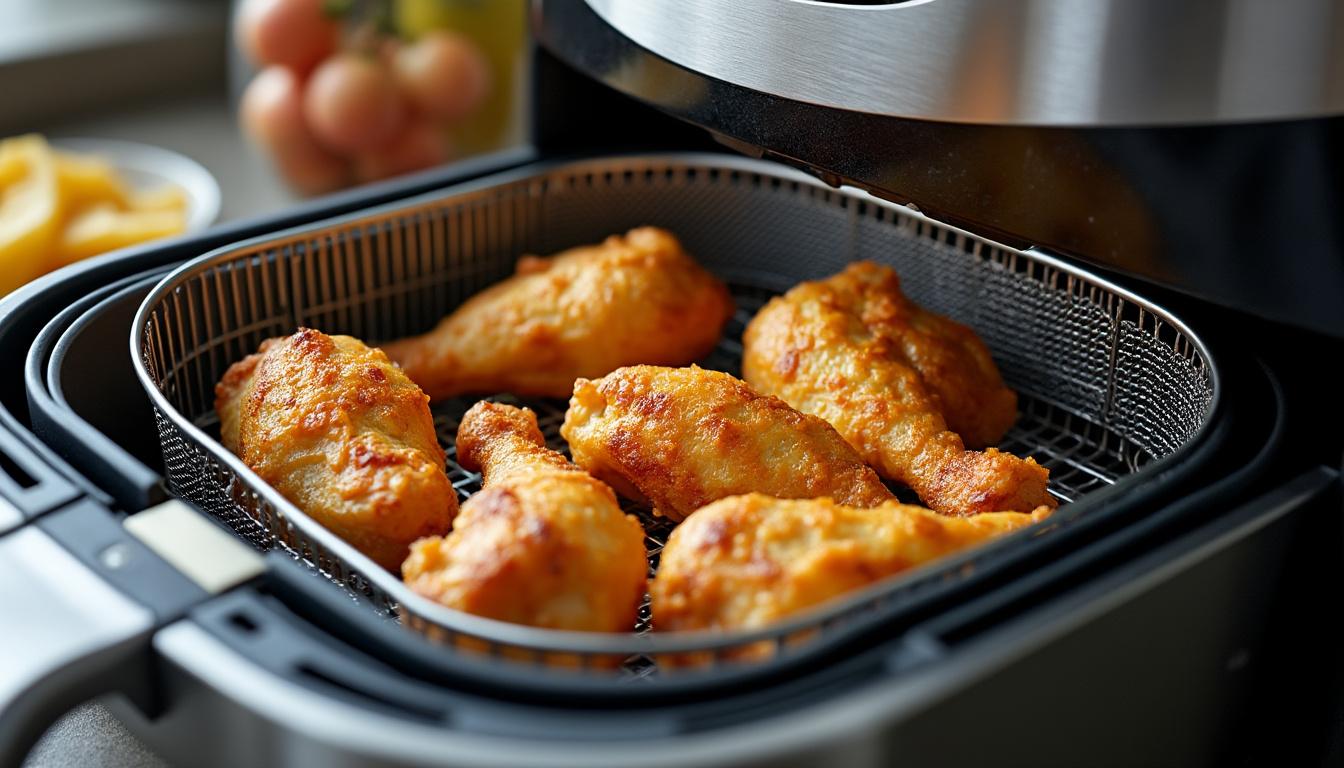
A practical, magazine-style overview explores why air fryer results sometimes leave middles cold and edges browned, and presents clear, testable strategies to restore balance. This piece maps the interplay of airflow, heat, and human habits that drive uneven cooking, then drills into fixes: smart preheating, deliberate food placement, controlled temperature adjustment, and routine cleaning air fryer maintenance. It contextualizes problems from tiny countertop models to larger capacity units, and links real-world repair and recipe resources so that cooks can diagnose whether an appliance needs a tweak, a new part, or simply a change in technique.
In brief — key takeaways
- Preheating matters: bring the chamber to temperature for crisp, even cooking.
- Avoid overcrowding; cook in batches to keep hot air circulating.
- Use a light coat of oil and shake basket or flip items to reduce cold middles.
- Adjust cooking time and lower temperature for thicker items to let heat penetrate.
- Routine cleaning air fryer preserves airflow and reduces hotspots; check vents and fan.
Why is My Air Fryer Food Uneven? Common Causes and Practical Fixes
When an air fryer produces crunchy exteriors and undercooked cores, the underlying physics is almost always the same: disrupted convection. Hot air must travel freely around each piece of food for consistent heat transfer. If that pathway is blocked — by piled items, sticky residue, or a clogged vent — the result is uneven cooking. This section reviews the most frequent causes and immediate remedies.
Blocked airflow and overcrowding
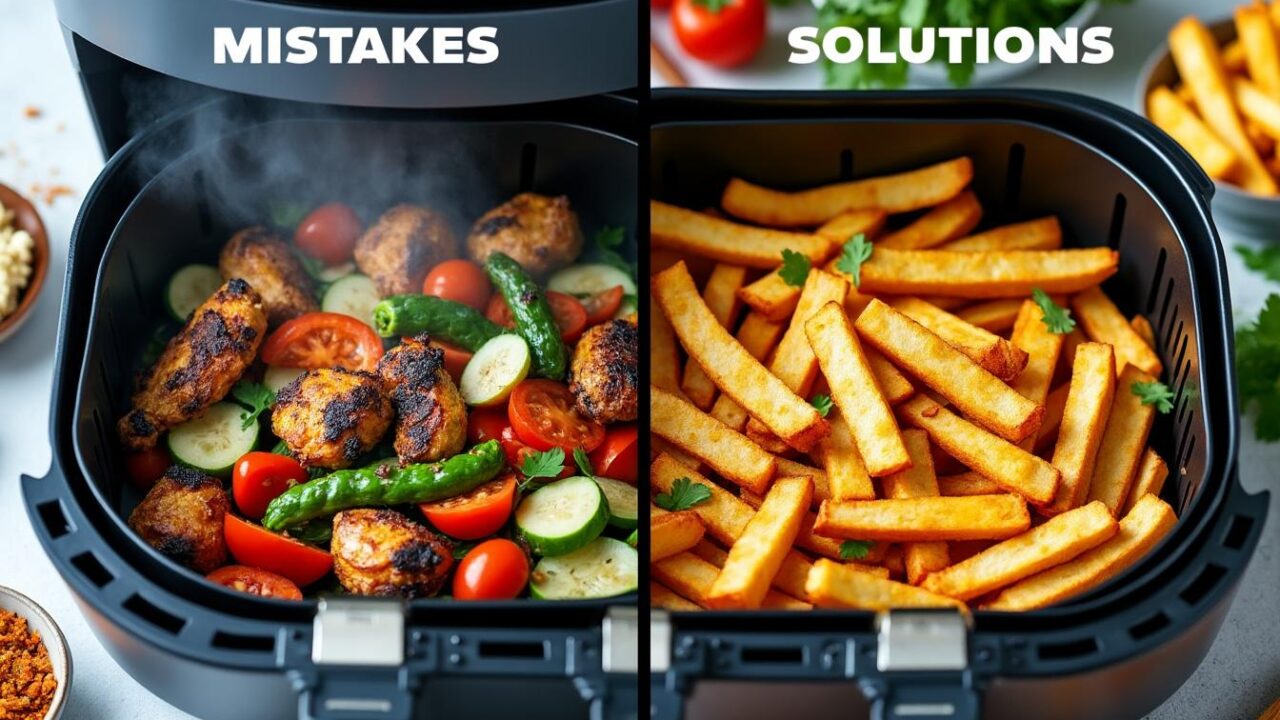
Placing too many items into the basket restricts circulation and forces the fan to work against a dense load. The first remedy is simple: reduce batch size until air moves around each piece. For many home units, that means one thin layer only. When larger meals are needed, plan to cook in two or more batches rather than compress space and sacrifice doneness.
Neglected preheating and rapid high heat
Not all recipes require preheating, but many do. Preheating stabilizes internal temperature so the surface sears while heat continues inward. Conversely, setting a temperature adjustment too high often charres the exterior before the middle reaches a safe temperature. The workaround: lower the temperature by 10–20°C (20–35°F) and extend the cooking time, checking internal doneness with a thermometer.
Dirty components and design limitations
Grease build-up on heating elements, or food residue in the basket, creates local hotspots and blocks air channels. Regular cleaning air fryer preserves performance. Some models have weaker fans or uneven element placement; consult model-specific diagnostics where needed. For broader troubleshooting and model-specific fixes, resources like detailed appliance guides and manufacturer notes clarify whether a hardware fault is present.
Finally, test one variable at a time — batch size, temperature, preheat — to isolate the cause. This scientific approach helps determine whether the fix is behavioral or mechanical. Insight: consistent airflow is the unifying principle behind even results.
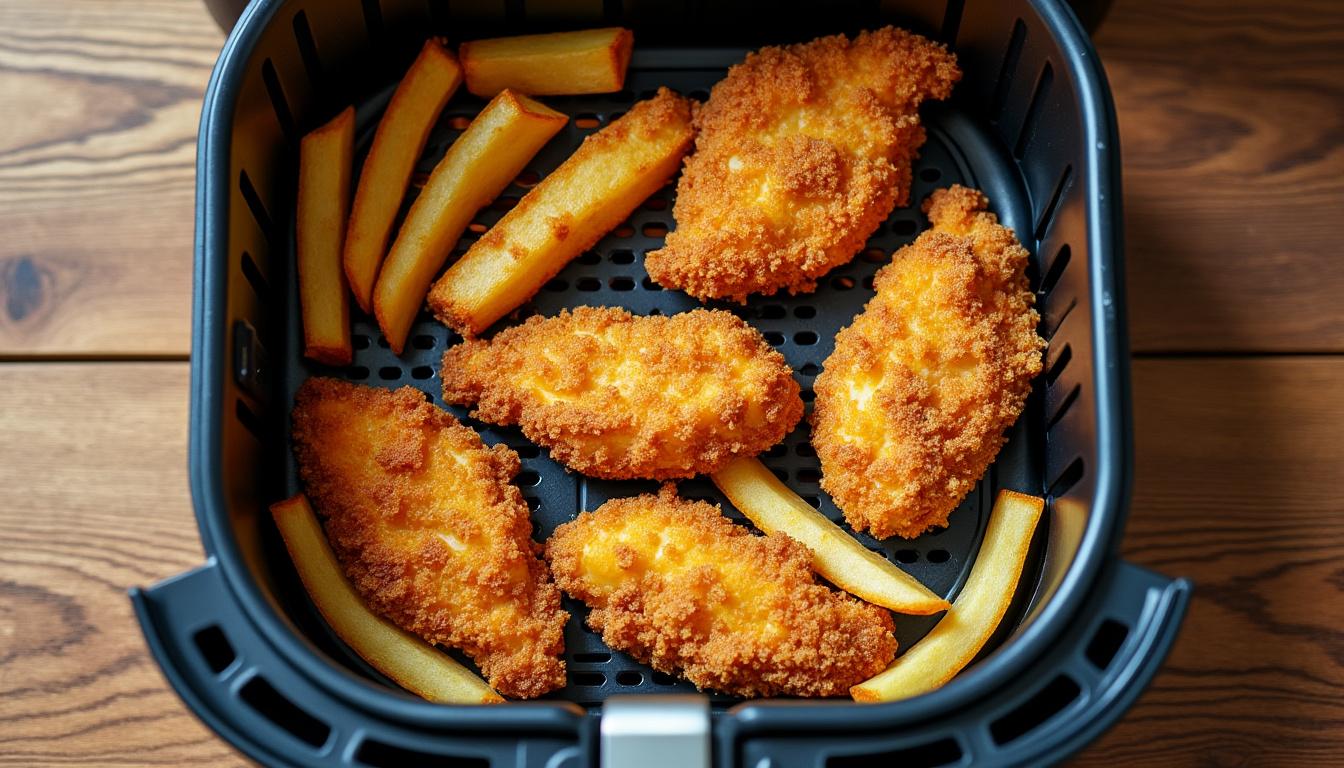
Ultimate Guide: What to Fix in Your Air Fryer for Optimal Cooking Performance
Maintaining an air fryer involves a mix of routine cleaning, checking mechanical parts, and adapting cooking practice to the unit’s design. This section outlines step-by-step maintenance tasks and quick fixes that improve performance and food safety. It also includes a compact reference table that pairs symptoms with targeted actions.
Daily and monthly maintenance tasks
After every use, clean the basket, tray, and accessible chamber surfaces to remove crumbs and oil. Weekly, inspect the heating element for stuck particles and wipe vents with a soft brush. Monthly checks should include fan operation and gasket condition where applicable. These habits minimize residue that could create uneven cooking and safety risks.
When to call a technician
If preheating fails, the fan is noisy, or the heating element shows inconsistent glow, it may indicate a failing component. Before professional repair, consult troubleshooting guides such as model-specific fix lists that explain parts replacement and safety checks. If safety switches trip repeatedly, do not attempt risky repairs: instead, seek qualified service.
| Symptom | Likely Cause | Quick Fix |
|---|---|---|
| Cold center | Overcrowding or too-high temperature | Lower temperature, increase cooking time, cook in batches |
| Hot edges, raw inside | High heat causing exterior to set too fast | Reduce temp by 10–20°C; use probe thermometer |
| Inconsistent browning | Dirty fan/element or irregular food placement | Clean thoroughly; arrange food single layer; shake basket |
Food safety is integral to maintenance. Items like poultry should reach safe internal temperatures; routine use of a probe thermometer ensures food safety is never compromised. For more actionable methods to fix uneven cooking in large batches, consult practical articles such as batch troubleshooting.
Vigilant maintenance keeps the appliance performing as intended, reducing surprises and improving consistency. Final insight: treat maintenance as a cooking essential rather than an optional chore.
Air Fryer Not Cooking Evenly? Practical Cooking Tips: Preheating, Temperature, and Placement
Technique is as important as hardware. Adapting heat profiles, timing, and placement often resolves problems without any tool repair. This section furnishes culinary strategies, simple experiments, and recipe adjustments to achieve uniform doneness across proteins, vegetables, and frozen items.
Mastering preheating and temperature adjustment
Preheating primes the chamber so the surface of food starts cooking immediately. For foods that benefit from a sear — fries, chicken cutlets, or thicker steaks — preheat for 2–5 minutes with an empty basket. Experiment with lower steady heat for thicker cuts: reduce temperature and add 3–8 minutes depending on thickness. For step-by-step guidance on correct preheat technique, a clear tutorial is available at this practical guide to how to preheat an air fryer correctly.
Food placement and shaking for even exposure
Arrange pieces in a single layer wherever possible. For irregular or dense pieces, cut into uniform sizes so heat penetration is consistent. Use the shaking basket method midway through the cycle for fries and loose vegetables. Turning or flipping larger items helps redistribute hot air and prevents one side from overheating. Many cooks find that a simple halfway shake reduces variance dramatically.
Specific tips by food type
Frozen products require a slightly higher starting temperature to restore crispness, followed by a modest reduction to allow internal thawing without over-browning. Dense proteins like bone-in chicken benefit from a two-step approach: start higher to crisp skin, then lower to finish the interior. For guidance on crisping techniques and other cooking tips, see curated best practices at best air fryer cooking tips.
Check doneness not by time alone but by temperature. Rely on probes for meat and visual checks for baked items. This measured approach replaces guesswork and steadily improves results. Takeaway: controlled heat and intentional placement are the most reliable cooking tips for even outcomes.
Batch Management: Overcrowding, Shaking Basket, Cooking Time Strategies and Accessories
Batch strategy turns frustrating results into a workflow. Use the right accessories, organize a sensible cooking schedule when preparing multiple dishes, and learn the art of staging to keep texture and temperature consistent across servings. This section supplies workflows, accessory suggestions, and an actionable list to optimize batch performance while preserving food safety.
Workflow for larger meals
When cooking for a group, prioritize items by required temperature and moisture content. Cook dry, crispy items last to preserve texture. Reheat lower-temperature sides in a warmed oven or keep them under foil to hold. Cook in smaller, timed batches to avoid overcrowding; doing so often shortens total service time by avoiding repeated undercooking and reworking.
Accessories and safe practices
Use shallow racks or multi-layer accessories sparingly; they can increase capacity but often reduce direct airflow. Liners such as parchment with holes and silicone trays can help with sticking and cleanup, but ensure they do not block vents. Metal utensils should be avoided to protect non-stick coatings; choose silicone or wooden tools instead.
- Plan batches: estimate two servings per basket for meat or fish; more for vegetables.
- Shake basket halfway through to equalize exposure.
- Pat dry wet or marinated pieces to promote browning and reduce steaming.
- Use a light oil mist to improve surface heat transfer without excess fat.
- Monitor internal temperature for proteins to ensure food safety.
These methods, when combined, make large-batch cooking predictable and repeatable. For additional quick tips and tricks to fix uneven cooking, resources like practical six-tip guides and diagnostic articles provide concise checklists for common kitchen scenarios.
Keep batch sizes realistic: efficiency beats cramming. Final insight: a staged approach to batch cooking preserves texture and ensures even results.
Preventing Hotspots: Design, Oil Use, Cleaning and Food Safety Best Practices
An even crisp requires both proper technique and attention to appliance health. This section focuses on preventing hotspots, selecting safe cooking surfaces and oils, and aligning practices with food safety rules. It also sketches when appliance design matters and what to do if an air fryer appears defective.
Why a little oil helps
Though marketed as an oil-minimizing method, air frying benefits from a small amount of oil. A light coat improves heat conduction across the surface and encourages uniform crisping. Use oils with higher smoke points for higher-temperature recipes, and apply with a sprayer for thin, even layers.
Cleaning and preventing residue
Routine cleaning prevents buildup that alters airflow or creates flame risks. Scrub baskets, check under racks, and wipe the heating element if accessible. If the unit smells of burned grease, deep-clean before the next use. For stepwise cleaning methods and long-term fixes when an appliance seems unresponsive, consult repair-oriented resources such as parts and repair guides.
Food safety and utensil guidance
Use food thermometers to validate doneness, especially for poultry and ground meats. Avoid metal utensils that can damage non-stick coatings; do not use foil unless secured and vented to avoid contact with the heating element. When in doubt about device behavior, safety-oriented articles like the one from established outlets offer troubleshooting and regulatory context.
By combining modest oil use, disciplined cleaning, and clear food-safety checks, most hotspots and uneven patches vanish. Final insight: appliance health and small culinary adjustments together yield consistent, safe meals.
{“@context”:”https://schema.org”,”@type”:”FAQPage”,”mainEntity”:[{“@type”:”Question”,”name”:”Why does the middle of my food stay cold while the outside is cooked?”,”acceptedAnswer”:{“@type”:”Answer”,”text”:”The most common causes are overcrowding, excessively high temperature that cooks the exterior too fast, or lack of preheating. Reduce batch size, lower the temperature, extend cooking time, and preheat to eliminate cold centers.”}},{“@type”:”Question”,”name”:”Is preheating necessary for all air fryer recipes?”,”acceptedAnswer”:{“@type”:”Answer”,”text”:”Not always, but preheating helps achieve a crisp exterior and more uniform cooking for many items. For delicate foods or long roasts, preheating may be optional. Experiment and follow model-specific guidance for best results.”}},{“@type”:”Question”,”name”:”How often should the air fryer be cleaned to prevent uneven cooking?”,”acceptedAnswer”:{“@type”:”Answer”,”text”:”Clean the basket and tray after every use, wipe the chamber weekly, and inspect the heating element and vents monthly. Regular cleaning preserves airflow and reduces hotspots that cause uneven cooking.”}},{“@type”:”Question”,”name”:”Can overcrowding damage my air fryer?”,”acceptedAnswer”:{“@type”:”Answer”,”text”:”Overpacking stresses airflow and can trigger safety features or uneven heating. It does not typically damage a well-made unit, but chronic overuse may lead to longer-term wear; cook in batches for best performance.”}}]}Why does the middle of my food stay cold while the outside is cooked?
The most common causes are overcrowding, excessively high temperature that cooks the exterior too fast, or lack of preheating. Reduce batch size, lower the temperature, extend cooking time, and preheat to eliminate cold centers.
Is preheating necessary for all air fryer recipes?
Not always, but preheating helps achieve a crisp exterior and more uniform cooking for many items. For delicate foods or long roasts, preheating may be optional. Experiment and follow model-specific guidance for best results.
How often should the air fryer be cleaned to prevent uneven cooking?
Clean the basket and tray after every use, wipe the chamber weekly, and inspect the heating element and vents monthly. Regular cleaning preserves airflow and reduces hotspots that cause uneven cooking.
Can overcrowding damage my air fryer?
Overpacking stresses airflow and can trigger safety features or uneven heating. It does not typically damage a well-made unit, but chronic overuse may lead to longer-term wear; cook in batches for best performance.